


Key Takeaways
- The White House has selected a new architect, Shalom Baranes, to lead the project of building a new ballroom.
- The original architect, James McCrey, will stay on as a consultant due to reported disagreements with President Trump over the project’s size and deadlines.
- The new ballroom is expected to have a capacity of 1,000 people and will be privately funded through donations from companies and wealthy individuals.
- The project has sparked criticism, with concerns that the new ballroom could overshadow other parts of the White House and that the plan has not been publicly scrutinized.
- The renovation includes other changes, such as gold decorations in the Oval Office and a new patio in the Rose Garden.
Introduction to the New Ballroom Project
The White House has announced the selection of a new architect to lead the project of building a new ballroom, a $300 million (€258 million) undertaking that has been a subject of controversy. The new architect, Shalom Baranes, has been chosen to replace James McCrey, the original architect who was selected to plan the project. According to a spokesperson, the decision was made due to reported disagreements between McCrey and President Trump over the project’s size and deadlines. Despite this, McCrey will remain part of the project as a "valuable consultant," according to a source familiar with the matter.
The New Architect and His Vision
Shalom Baranes, the newly selected architect, has a reputation for shaping the architectural identity of Washington D.C. over the past few decades. His firm has been responsible for various projects across the city, including the renovation of the Pentagon after the 9/11 terrorist attacks. The White House has praised Baranes, stating that he will join a team of experts to "carry out President Trump’s vision" for the new ballroom. The ballroom is expected to have a capacity of 1,000 people, according to President Trump, and will be designed to meet the president’s expectations.
Project Details and Controversy
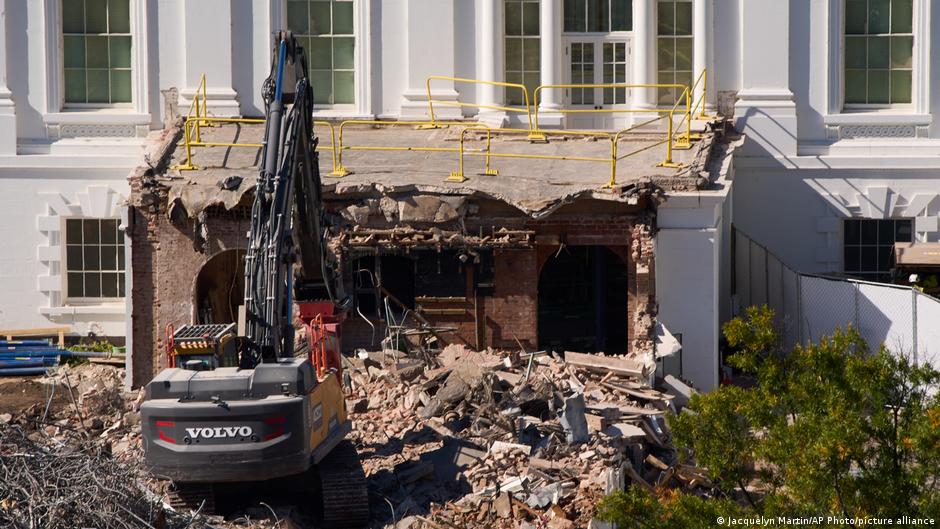
The new ballroom project has sparked controversy, with critics voicing concerns that it could overshadow other parts of the White House, including the parts where the president lives. The entire East Wing of the White House has been demolished to make way for the project, which has raised concerns about the impact on the historic landmark. Additionally, the plan for the new ballroom has not been publicly scrutinized, which has led to criticism about the lack of transparency. Despite these concerns, President Trump has stated that the project will be privately funded in its entirety, thanks to donations from companies and wealthy individuals.
Other Renovations and Changes
The new ballroom is not the only change that President Trump has made to the White House. The president has also installed gold decorations across the Oval Office, which has been a subject of controversy. Additionally, the main part of the Rose Garden lawn has been paved, turning it into a patio. These changes have sparked criticism, with some arguing that they are unnecessary and excessive. However, the White House has defended the changes, stating that they are necessary to modernize the historic landmark and make it more functional.
Conclusion and Future of the Project
The selection of a new architect and the progress of the new ballroom project are significant developments in the ongoing renovation of the White House. While the project has sparked controversy, it is expected to be completed in the near future. The new ballroom is expected to be a significant addition to the White House, and its design and construction will be closely watched by the public and the media. As the project moves forward, it will be important to ensure that it is done in a way that respects the historic landmark and meets the needs of the president and the public. With the selection of Shalom Baranes as the new architect, the project is expected to move forward, and the White House will likely continue to be a subject of interest and controversy in the months and years to come.