


Key Takeaways:
- The mental health system in the US is failing to provide adequate care to individuals with severe mental illnesses, leading to a surge in criminal cases and longer wait times for treatment.
- State psychiatric hospitals are struggling with staffing shortages, limited beds, and inadequate funding, resulting in patients being turned away or left waiting for extended periods.
- The shift from mostly civil patients to criminally charged patients in state hospitals has led to a change in hospital culture, with patients bringing jail culture to the hospitals and staff facing increased danger.
- Patients and families are struggling to navigate the system, with many feeling that the system is designed to criminalize rather than help those with mental illnesses.
- Advocates and experts are calling for increased funding, more community-based services, and a focus on providing long-term care and treatment to address the root causes of mental illness.
Introduction to the Mental Health Crisis
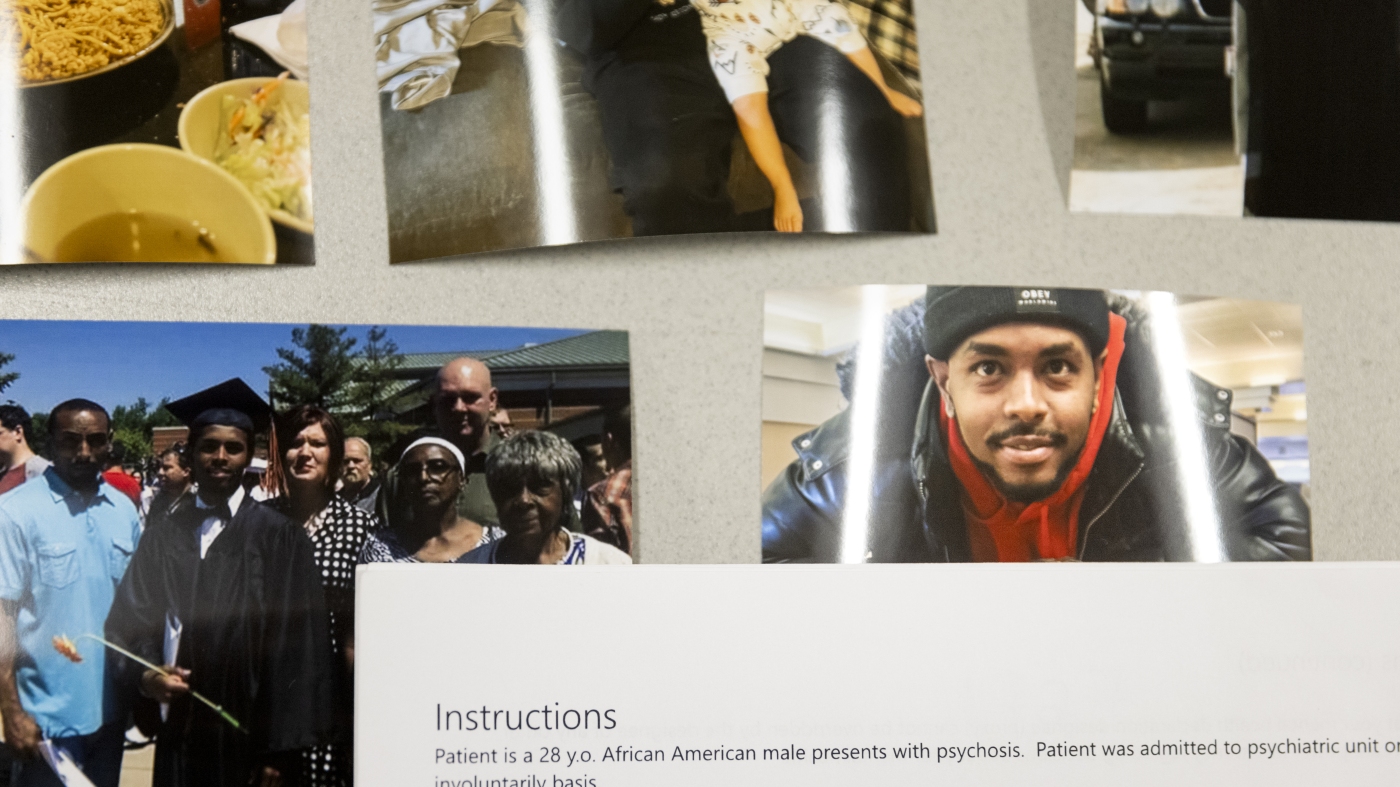
The mental health system in the US is facing a crisis, with many individuals with severe mental illnesses failing to receive adequate care. This has led to a surge in criminal cases, with patients being arrested and jailed rather than receiving treatment. Tyeesha Ferguson, the mother of 28-year-old Quincy Jackson III, has been trying to get mental health care for her son for most of his adult life. However, the system has failed to provide consistent and effective treatment, leading to a cycle of hospitalizations, arrests, and incarceration.
The State of State Psychiatric Hospitals
State psychiatric hospitals across the nation are struggling to provide care to patients. These hospitals have largely lost the ability to treat patients before their mental health deteriorates and they are charged with crimes. In Ohio, the share of state hospital patients with criminal charges has jumped from about half in 2002 to around 90% today. This surge has coincided with a steep decline in total state psychiatric hospital patients served, down 50% in Ohio in the past decade. The decline in capacity at state facilities has led to a crisis, with patients being turned away or left waiting for extended periods.
The Impact of Criminalization
The shift from mostly civil patients to criminally charged patients in state hospitals has led to a change in hospital culture. Patients who have been in jail bring that culture to the hospitals, and staff are facing increased danger. In the first 10 months of 2024, at least nine patients escaped from Ohio’s regional psychiatric hospitals, compared with three total in the previous four years. The hospitals have also become more restrictive, with patients being subject to lockdowns and mandatory overtime for staff. The increase in criminally charged patients has also led to a rise in violence, with patients and staff facing imminent danger.
The Struggle for Long-Term Care
Patients like Patrick Heltzel, who has been living in a state psychiatric hospital for over a decade, are struggling to receive long-term care and treatment. Heltzel, who was found not guilty by reason of insanity of aggravated murder, has been requesting conditional release but has been denied. He says that inpatient care helps patients figure out what medication regimen will work and deliver the therapy needed to develop insight. However, the system is failing to provide this level of care, leading to patients being released without adequate support and treatment.
The Need for Reform
Advocates and experts are calling for reform, including increased funding, more community-based services, and a focus on providing long-term care and treatment. The system needs to shift from criminalizing individuals with mental illnesses to providing them with the care and support they need. This requires a comprehensive approach, including increasing access to community-based services, providing more funding for mental health care, and addressing the root causes of mental illness. By working together, we can create a system that prioritizes care and treatment over criminalization and incarceration.
The Human Cost
The human cost of the mental health crisis is evident in the stories of patients and families who are struggling to navigate the system. Tyeesha Ferguson’s fear for her son’s safety and well-being is a stark reminder of the need for reform. Quincy Jackson III’s struggles with severe psychosis and the system’s failure to provide adequate care have led to a cycle of hospitalizations, arrests, and incarceration. The system’s failure to provide long-term care and treatment has led to devastating consequences, including violence and tragedy. It is time for us to come together to create a system that prioritizes care and treatment over criminalization and incarceration.