


Key Takeaways:
- The Kennedy Center’s name was recently changed to The Donald J. Trump and The John F. Kennedy Memorial Center for the Performing Arts.
- The name change has sparked controversy, with some lawmakers arguing that it cannot be done without Congressional approval.
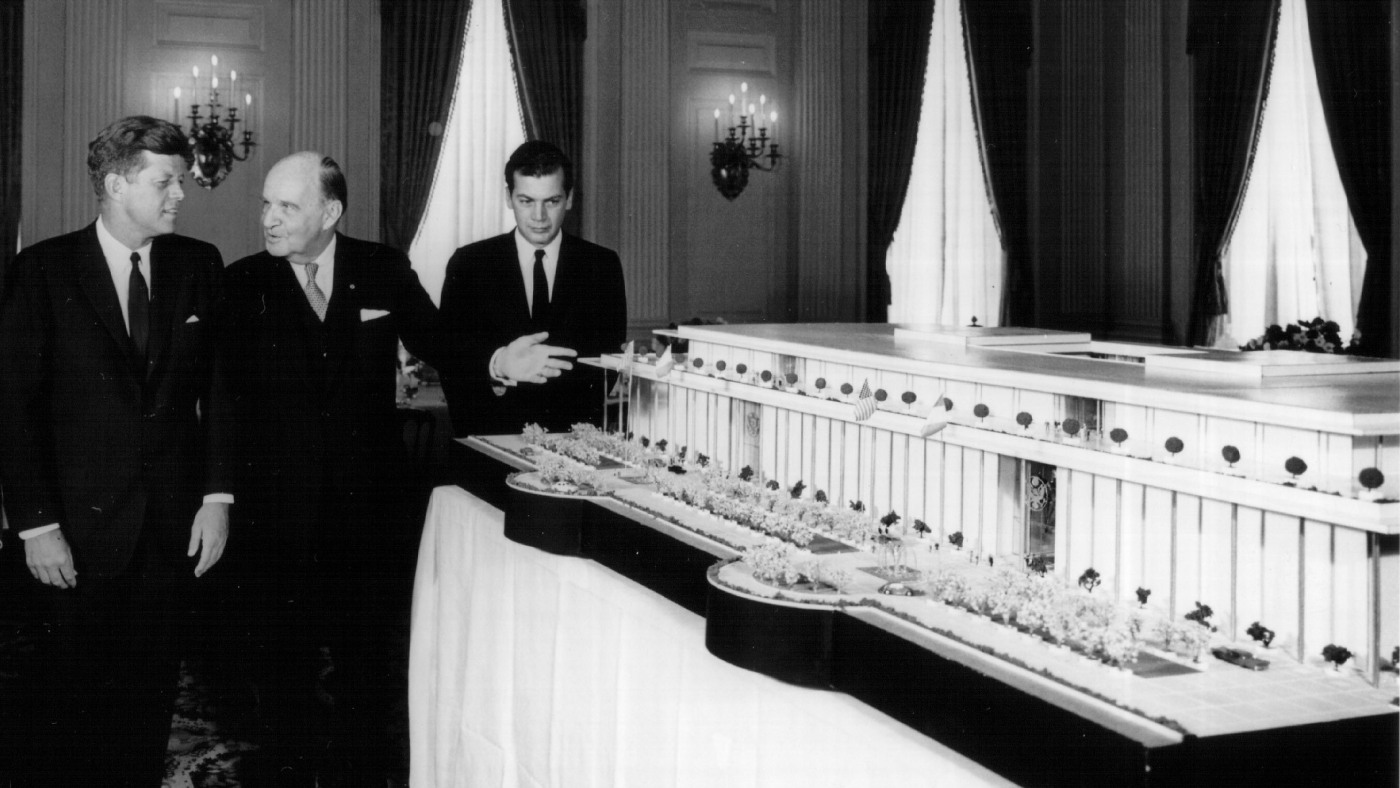
- The Kennedy Center was originally envisioned by President Dwight D. Eisenhower as a national cultural center, and was later championed by President John F. Kennedy and President Lyndon B. Johnson.
- The center’s mission is to present classical and contemporary music, opera, drama, dance, and poetry from the United States and around the world, and to offer public programs and educational offerings.
- The center’s name change may eventually become widely accepted, as has been the case with other renamed public spaces in Washington, D.C.
Introduction to the Kennedy Center
The Kennedy Center, located in Washington, D.C., has a rich history that dates back to the 1950s. The center was originally envisioned by President Dwight D. Eisenhower as a national cultural center, and was later championed by President John F. Kennedy and President Lyndon B. Johnson. The center’s mission is to present classical and contemporary music, opera, drama, dance, and poetry from the United States and around the world, and to offer public programs and educational offerings. Recently, the center’s name was changed to The Donald J. Trump and The John F. Kennedy Memorial Center for the Performing Arts, sparking controversy and debate.
The Eisenhower Administration’s Vision
In 1955, President Dwight D. Eisenhower first pursued building what he called an "artistic mecca" in Washington, D.C., and created a commission to create what was then known as the National Cultural Center. Three years later, Congress passed an act to build the new venue with the stated purpose of presenting classical and contemporary music, opera, drama, dance, and poetry from the United States and across the world. Congress also mandated the center to offer public programs, including educational offerings and programs specifically for children and older adults. This vision for a national cultural center was an important step in establishing the Kennedy Center as a premier arts venue in the United States.
The Kennedy Administration’s Involvement
During the Kennedy administration, the center’s vision began to take shape. A November 1962 fundraiser for the center featured stars including conductor Leonard Bernstein, comedian Danny Kaye, poet Robert Frost, singers Marian Anderson and Harry Belafonte, ballerina Maria Tallchief, pianist Van Cliburn – and a 7-year-old cellist named Yo-Yo Ma and his sister, 11-year-old pianist Yeou-Cheng Ma. At that event, Kennedy said, "As a great democratic society, we have a special responsibility to the arts — for art is the great democrat, calling forth creative genius from every sector of society, disregarding race or religion or wealth or color." Kennedy and his wife Jacqueline were known for championing the arts at the White House, and the president understood the free expression of creativity as an essential soft power, especially during the Cold War.
The Johnson Administration’s Legacy
The ideas behind the Kennedy Center found their fullest expression under Kennedy’s successor, President Lyndon B. Johnson. According to Philip Kennicott, the Pulitzer Prize-winning art and architecture critic for The Washington Post, Johnson compared the arts to other fundamental needs, saying that Americans should have access to the arts just as they have access to healthcare. Johnson’s vision for the Kennedy Center was one of popular access and participation at all levels, and the center has since existed in a tension between being a palace of the arts and a publicly accessible, popular venue. The center’s grand structure on the banks of the Potomac River, located at a distance from the city’s center, and decked out in red and gold inside, reflects this tension.
The Name Change Controversy
The recent name change of the Kennedy Center to The Donald J. Trump and The John F. Kennedy Memorial Center for the Performing Arts has sparked controversy, with some lawmakers arguing that it cannot be done without Congressional approval. However, according to Kennicott, it will only take a few years for the controversies around the new name to fade away, if the Trump Kennedy moniker remains. He likens it to the controversy that once surrounded the renaming of Washington National Airport to Ronald Reagan Washington National Airport in 1998. Over time, the new name will become part of the city’s vocabulary, and the controversy will be forgotten.
Conclusion
The Kennedy Center’s rich history and mission to present classical and contemporary music, opera, drama, dance, and poetry from the United States and around the world make it a unique and important cultural institution. The center’s name change has sparked controversy, but it is likely that the new name will eventually become widely accepted. As the center continues to evolve and grow, it is essential to remember its origins and mission, and to ensure that it remains a vibrant and accessible cultural institution for generations to come.