
Key Takeaways:
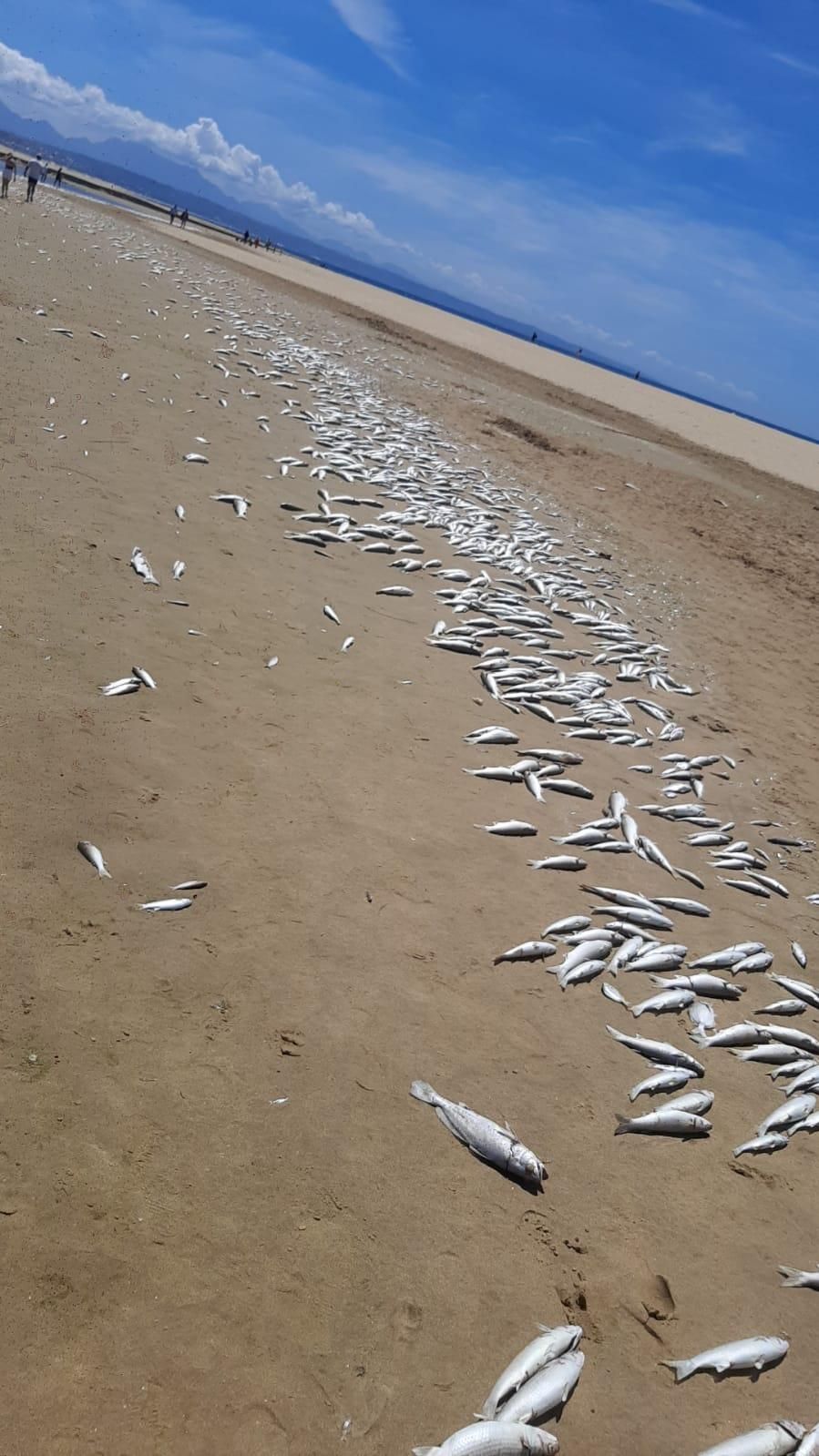
- The mass mortality of fish in the Hartenbos Estuary in Mossel Bay is not due to a red-tide, but is the result of sewerage discharge and resultant eutrophication and ammonia toxicity.
- The Mossel Bay municipality has confirmed that recent water samples for the Hartenbos Estuary were compliant with applicable standards, but the estuary experienced critically low dissolved oxygen levels, triggering an emergency intervention.
- A visible red-tide has been observed on the West Coast, from Elandsbaai to the Olifants Estuary, but no mortalities of fish or shellfish have been reported.
- A bioluminescent red-tide has been observed in Walker Bay, Hermanus, with no reported fish or shellfish mortalities, but a cautionary approach is advised against collecting and eating shellfish.
- The Department of Forestry, Fisheries and the Environment (DFFE) will continue to monitor the situation with respect to the extent of the "red tides" and resultant mass mortalities on the West Coast and South Coast.
Introduction to the Situation
The Department of Forestry, Fisheries and the Environment (DFFE) has confirmed that the mass mortality of fish in the Hartenbos Estuary in Mossel Bay is not due to a red-tide, but is the result of sewerage discharge and resultant eutrophication and ammonia toxicity. This comes after the Mossel Bay municipality said recent water samples for the Hartenbos Estuary were compliant with applicable standards. However, the municipality has also confirmed that the estuary experienced critically low dissolved oxygen levels, triggering an emergency intervention. The situation has raised concerns about the impact of human activities on the environment and the importance of monitoring and managing the health of estuaries and coastal ecosystems.
Red-Tides on the West Coast
DFFE has confirmed that a visible red-tide has been observed on the West Coast, from Elandsbaai to the Olifants Estuary. However, no mortalities of fish or shellfish have been reported in association with this red-tide. The department has advised that all shellfish, irrespective of being washed out or collected from shore or subtidal, should not be eaten due to the high risk of toxicity. Satellite imagery and reports by members of the public and Fisheries Control Officers (FCOs) have confirmed the presence of the red-tide, which is visible from Elandsbaai 100 km northward to above the Olifants Estuary.
Bioluminescent Red-Tide in Walker Bay
A bioluminescent red-tide has been observed in Walker Bay, Hermanus, with no reported fish or shellfish mortalities. The phytoplankton producing this red-tide are bioluminescent, producing spectacular flashes of colour at night. While there have been no reported mortalities, a cautionary approach is advised against collecting and eating shellfish from the area. The presence of this red-tide highlights the importance of monitoring and understanding the complex dynamics of coastal ecosystems and the impact of human activities on these systems.
Hartenbos Estuary Mass Mortality
The mass mortality of fish in the Hartenbos Estuary in Mossel Bay has been attributed to sewerage discharge and resultant eutrophication and ammonia toxicity. The Mossel Bay municipality has confirmed that the estuary experienced critically low dissolved oxygen levels, triggering an emergency intervention. The municipality has deployed a contractor to the site and clean-up operations are ongoing. Scientific observations have confirmed that the fish kill resulted from severe oxygen depletion within the estuary, caused by an algal bloom exacerbated by a combination of low water levels, elevated temperatures, and nutrient-rich conditions.
Monitoring and Management
The DFFE has stated that it will continue to monitor the situation with respect to the extent of the "red tides" and resultant mass mortalities on the West Coast and South Coast. The department’s monitoring efforts will be crucial in understanding the impact of human activities on coastal ecosystems and in developing effective management strategies to mitigate these impacts. The situation highlights the importance of integrated coastal management and the need for collaboration between government agencies, local communities, and other stakeholders to protect and conserve coastal ecosystems.
Conclusion
In conclusion, the mass mortality of fish in the Hartenbos Estuary in Mossel Bay is a complex issue that requires a comprehensive and integrated approach to management. The presence of red-tides on the West Coast and in Walker Bay highlights the importance of monitoring and understanding the dynamics of coastal ecosystems. The DFFE’s efforts to monitor and manage the situation will be crucial in mitigating the impacts of human activities on coastal ecosystems and in protecting the health and biodiversity of these ecosystems. Ultimately, the situation serves as a reminder of the importance of responsible and sustainable management of coastal resources and the need for collaboration and cooperation between government agencies, local communities, and other stakeholders to achieve this goal.