


Key Takeaways
- The US has captured Venezuelan President Nicolás Maduro, and his whereabouts are currently unknown.
- The US plans to take control of Venezuela’s oil production, but it is unclear how this will be accomplished.
- The situation in Venezuela is complex, and it is difficult to predict what will happen next.
- Other nations, such as Russia and China, may use the US’s actions as a precedent to take similar actions against their own adversaries.
- The US’s actions in Venezuela may signal a new focus on the Western Hemisphere, potentially at the expense of its relationships with other regions.
Introduction to the Situation
The recent announcement by US President Donald Trump that Venezuelan President Nicolás Maduro had been captured and flown out of the country has sparked a series of questions and uncertainties. As the situation continues to unfold, it is essential to gather facts and consider the potential implications of the US’s actions. With Maduro’s capture, the question of who is in charge of Venezuela today is a pressing one. Initially, it seemed that Venezuela’s vice president and interior minister were in charge, but Trump later announced that Vice President Delcy Rodriguez had been sworn in as the new president. However, Rodriguez’s location remains unknown, and it is unclear how the US plans to accomplish its goal of taking control of Venezuela’s oil production.
The US’s Role in Venezuela
The US’s ability to capture a president is evident, but the question of whether it can force a change of government is more complex. Trump’s statement that he is "not afraid of boots on the ground" suggests that the US may be willing to deploy troops to Venezuela, but it is unclear what this would entail. The US’s history of military interventions, such as in Panama in 1989 and Iraq in 2003, provides some context for the potential consequences of such actions. However, Venezuela’s larger population and lack of connections to the US make it a more challenging situation. The US’s plans for Venezuela’s government are also uncertain, with Trump suggesting that the next president would not be María Corina Machado, the Nobel prize-winning opposition leader, or Edmundo González, the opposition candidate who won the 2024 presidential election.
The Venezuelan People’s Response
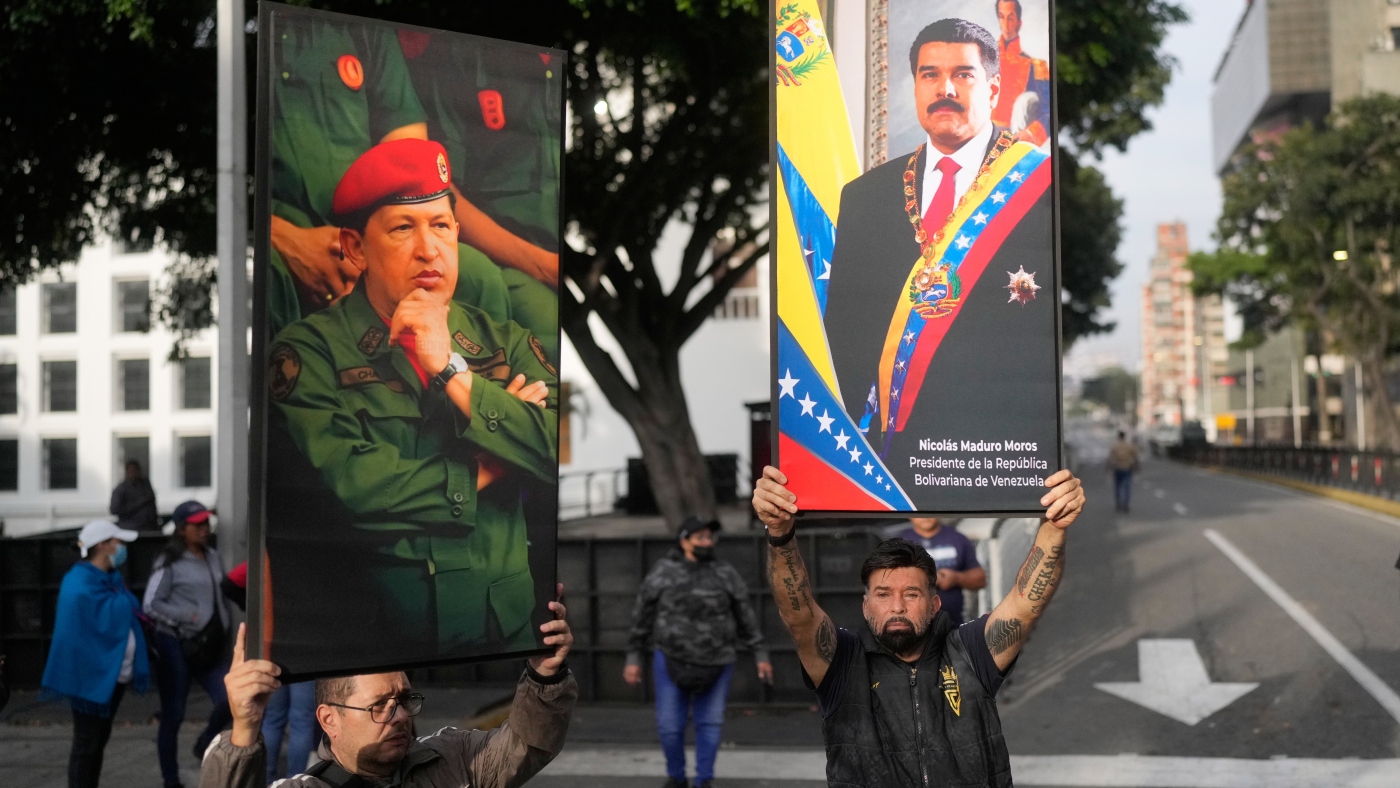
The reaction of the Venezuelan people to the US’s actions is also a crucial factor in the situation. Many opponents of the socialist government have already fled the country, and it is unclear whether those who remain will rise up against the government or attempt to leave. Colombia is preparing for an influx of refugees, and the situation on the ground is tense. The Venezuelan people have endured over a decade of suffering under the current government, but a full-blown uprising has not yet occurred. The US’s actions may provide an opportunity for change, but it is uncertain what form this will take.
International Implications
The US’s actions in Venezuela have sparked condemnation from other nations, including Russia and China. However, some governments may not mind the precedent set by the US’s actions, and this could have significant implications for international relations. The US’s ability to capture a president could be seen as a justification for similar actions by other nations, such as Russia or China. This raises concerns about the potential for a new era of great power competition, where nations feel emboldened to take bold actions against their adversaries. The US’s focus on the Western Hemisphere, as suggested by Trump’s reference to the Monroe Doctrine, may also signal a shift in its foreign policy priorities, potentially at the expense of its relationships with other regions.
A New Focus for the US?
The US’s actions in Venezuela may indicate a new focus on the Western Hemisphere, potentially at the expense of its relationships with other regions. Trump’s administration has stated that it wants to secure the US’s "backyard," but it is unclear what this means in practice. China and Russia may welcome a US shift towards home, as this could provide them with more opportunities to expand their influence in other regions. However, the US’s actions in Venezuela are complex and multifaceted, and it is difficult to predict what the consequences will be. As the situation continues to unfold, it is essential to consider the potential implications of the US’s actions and to pose questions about the future of Venezuela and the wider region.