


Key Takeaways
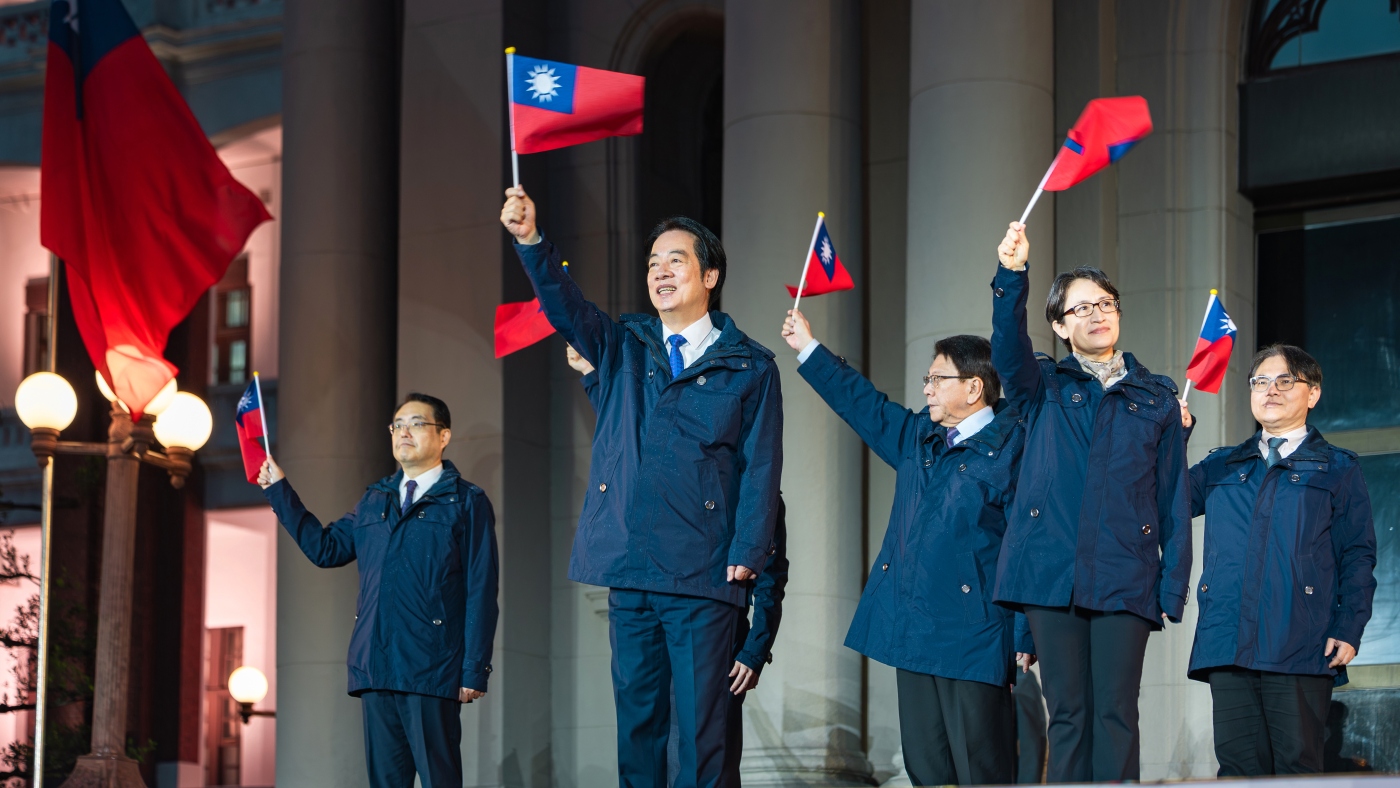
- Taiwanese President Lai Ching-te has vowed to defend the island’s sovereignty in the face of China’s expansionist ambitions
- China has been conducting live-fire military drills near Taiwan, featuring rocket launches, aircraft, and warships
- The United States has planned a $11 billion arms sale to Taiwan, which includes missiles, drones, artillery systems, and military software
- Taiwan has announced a special $40 billion budget for arms purchases, including to build an air defense system called the Taiwan Dome
- China’s leader Xi Jinping has called Taiwan’s eventual annexation "unstoppable" and has threatened to use force if necessary
Introduction to the Taiwan-China Conflict
The Taiwan-China conflict has been escalating in recent days, with Taiwanese President Lai Ching-te vowing to defend the island’s sovereignty in the face of China’s expansionist ambitions. In his New Year’s address, Lai stated that the international community is watching to see whether the Taiwanese people have the resolve to defend themselves. He also emphasized his commitment to firmly safeguarding national sovereignty, strengthening national defense, and comprehensively constructing an effective deterrence and democratic defense mechanism. This comes after China wrapped up live-fire military drills near Taiwan, which featured rocket launches, aircraft, and warships.
China’s Military Drills and Expansionist Ambitions
China’s military drills were seen as a show of force and a demonstration of its expansionist ambitions. Beijing had expressed anger at a planned U.S. arms sale to Taiwan, as well as at Japan’s new leader’s comments that Tokyo could intervene in the event of a Chinese attack on Taiwan. China sees Taiwan as its own territory and threatens to annex it by force if necessary. A former Japanese colony, Taiwan has been governed independently from the mainland since 1949, when the Nationalist Party lost a civil war against the Chinese Communist Party and retreated to the island. China’s leader Xi Jinping has called Taiwan’s eventual annexation "unstoppable" and has threatened to use force if necessary.
U.S. Arms Sale to Taiwan
The planned U.S. arms sale to Taiwan is valued at more than $11 billion and includes missiles, drones, artillery systems, and military software. The United States is obligated by its own laws to provide Taiwan with the means to defend itself. The arms sale is seen as a significant boost to Taiwan’s military capabilities and a demonstration of the U.S. commitment to supporting Taiwan’s defense. However, China has expressed strong opposition to the arms sale, seeing it as a threat to its own national security and an attempt to interfere in its internal affairs.
Taiwan’s Military Budget and Defense Strategy
Taiwan has announced a special $40 billion budget for arms purchases, including to build an air defense system called the Taiwan Dome. The budget will be allocated over eight years, from 2026 to 2033, and comes after Lai already pledged to raise defense spending to 5% of the island’s GDP, as part of his strategy amid China’s threats of invasion. Taiwan’s military strategy is focused on deterrence and defense, with an emphasis on building a robust and resilient military capability that can withstand Chinese aggression. The Taiwan Dome air defense system is seen as a key component of this strategy, providing high-level detection and interception capabilities to protect the island from Chinese missile and air attacks.
Beijing’s Response to Lai’s Speech
Lai’s speech was met angrily in Beijing, where a spokesperson for the State Council’s Taiwan Affairs Office called the president "a saboteur of peace, a troublemaker and a warmonger," according to the official Xinhua news agency. The spokesperson, Chen Binhua, stated that no matter what Lai and the Democratic Progressive Party authorities say or do, they cannot change the fact that Taiwan is part of China. This response highlights the deep-seated tensions and disagreements between China and Taiwan, with China refusing to recognize Taiwan’s sovereignty and viewing it as a rebellious province that must be reunited with the mainland.
Conclusion and Future Prospects
The Taiwan-China conflict is a complex and sensitive issue, with significant implications for regional and global security. The recent escalation in tensions, including China’s military drills and Lai’s vow to defend Taiwan’s sovereignty, highlights the need for a peaceful and diplomatic resolution to the conflict. The U.S. arms sale to Taiwan and Taiwan’s military budget and defense strategy are seen as key components of this effort, providing Taiwan with the means to defend itself and deter Chinese aggression. However, China’s refusal to recognize Taiwan’s sovereignty and its threats to use force if necessary mean that the conflict is likely to continue, with significant challenges and uncertainties ahead.