


Key Takeaways
- Miami Mayor Eileen Higgins is calling for the Trump administration to reinstate Temporary Protected Status (TPS) for Venezuelans
- The Trump administration ended TPS for Venezuelans in early 2025, which Higgins calls "reckless, dangerous, and wrong"
- The U.S. Supreme Court allowed the Trump administration to temporarily strip legal protections from over 350,000 Venezuelans living in the U.S. under TPS
- The Department of Homeland Security claims that individuals who were under TPS can apply for refugee status, but the decision to end TPS was made in collaboration with the State Department and White House
- At least 7.9 million people have fled Venezuela’s humanitarian crisis, according to the United Nations refugee agency UNHCR
Introduction to the Crisis
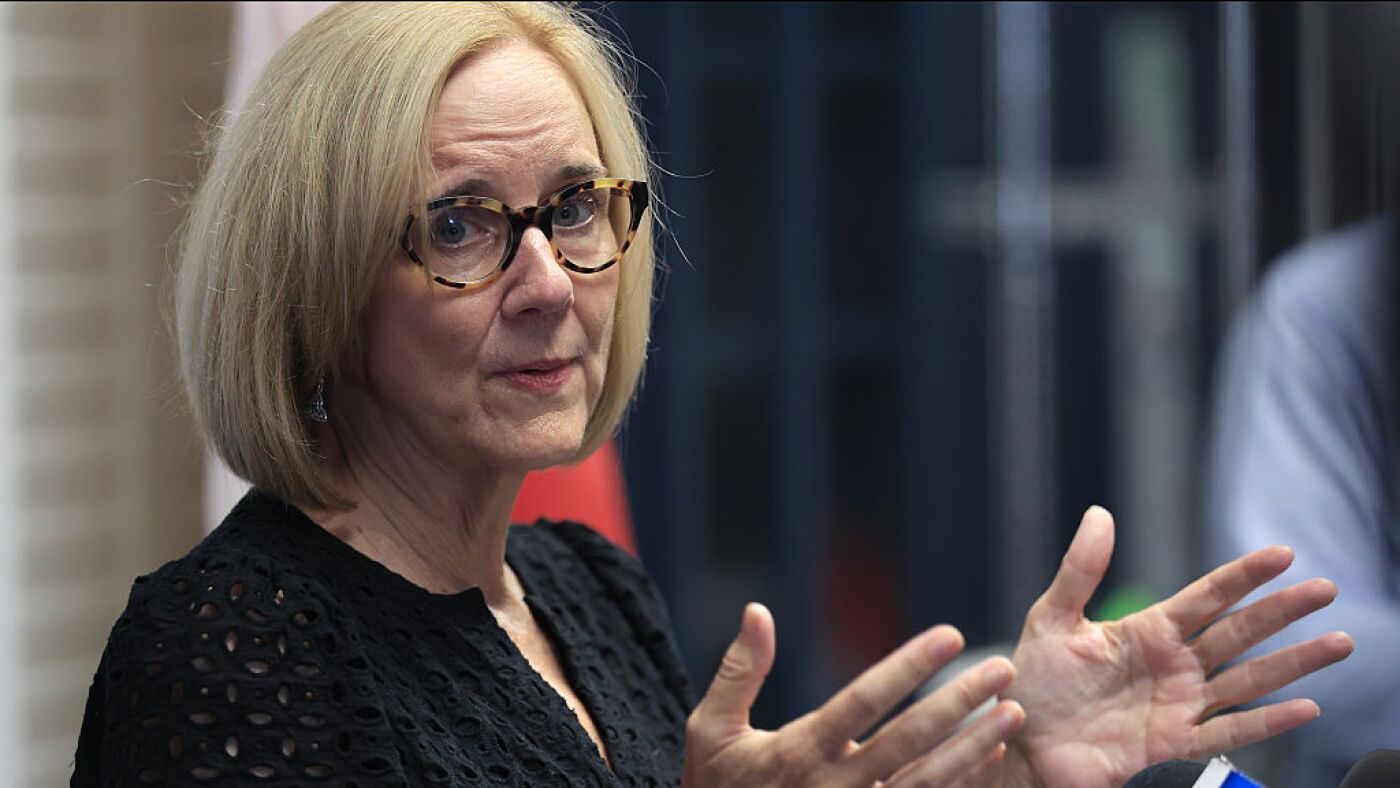
The city of Miami, home to a large population of Venezuelan expats, is at the center of a growing controversy surrounding the Trump administration’s decision to end Temporary Protected Status (TPS) for Venezuelans. Miami Mayor Eileen Higgins, who was sworn in as the city’s first Democrat leader in about three decades, is calling for the administration to reinstate TPS for Venezuelans. This comes after the U.S. military operation capturing the country’s president, which has led to increased instability in the region. Higgins has stated that the Trump administration’s decision to end TPS for Venezuelans in early 2025 was "reckless, dangerous, and wrong" and has called for President Trump to "immediately" reinstate TPS for Venezuelans.
The Impact on Venezuelan Expats
The decision to end TPS for Venezuelans has significant implications for the large population of Venezuelan expats living in Miami. Many of these individuals have built lives in the United States, contributed to their communities, and deserve the security to remain in the country while their homeland regains stability. As Higgins noted, "The instability unfolding in Venezuela today makes it even clearer that the country remains unsafe for people to return. No one should be forced back into chaos and uncertainty." The TPS program provides vital protections against deportations and provides work permits to people impacted by war, natural disasters, and other circumstances. Without TPS, many Venezuelans living in the U.S. face the risk of deportation back to a country that is still reeling from a humanitarian crisis.
The Role of the U.S. Supreme Court
The U.S. Supreme Court has played a significant role in the decision to end TPS for Venezuelans. In May, the court allowed the Trump administration to temporarily strip legal protections from over 350,000 Venezuelans living in the U.S. under TPS. This decision was followed by a lower court order that blocked the end of TPS protections for Venezuelans, which was later halted by the high court in October. The administration’s request to end the TPS designation for Venezuela was granted, allowing the Department of Homeland Security to move forward with ending the program. The Supreme Court’s decisions have significant implications for the lives of Venezuelans living in the U.S. and have sparked widespread criticism from advocates and politicians, including Mayor Higgins.
Response from the Department of Homeland Security
In response to Higgins’ statement, Homeland Security Secretary Kristi Noem defended the administration’s decision to end the TPS program. Noem stated that decisions are made in collaboration with the State Department and White House and that every individual who was under TPS has the opportunity to apply for refugee status. The Department of Homeland Security also took to social media to claim that the end of TPS for Venezuelans means that they can "go home to a country that they love." However, this statement has been met with criticism, as many argue that Venezuela is still not safe for return due to the ongoing humanitarian crisis. The UNHCR estimates that at least 7.9 million people have fled Venezuela’s humanitarian crisis, highlighting the need for continued protection and support for those affected.
Conclusion and Call to Action
The debate surrounding TPS for Venezuelans highlights the need for a comprehensive and humane approach to immigration policy. As Mayor Higgins has noted, the decision to end TPS for Venezuelans is not just a matter of policy, but a matter of basic human dignity and safety. The Trump administration’s decision to end TPS for Venezuelans has significant implications for the lives of thousands of people living in the U.S. and has sparked widespread criticism from advocates and politicians. As the situation in Venezuela continues to unfold, it is essential that the U.S. government takes a proactive and compassionate approach to supporting those affected by the crisis. This includes reinstating TPS for Venezuelans and providing a pathway to permanent residency for those who have built lives in the United States.