


Key Takeaways:
- A federal judge has ruled that the US government denied due process to Venezuelan men deported to El Salvador under the Alien Enemies Act.
- The judge has ordered the government to facilitate the men’s return to the US or provide them with hearings that satisfy due process requirements.
- The case highlights critiques of the Trump administration’s immigration policy and lack of due process.
- The Alien Enemies Act, invoked by President Trump, has been challenged by the ACLU and Democracy Forward as being used illegally.
- The government has been given until January 5 to comply with the judge’s order.
Introduction to the Case
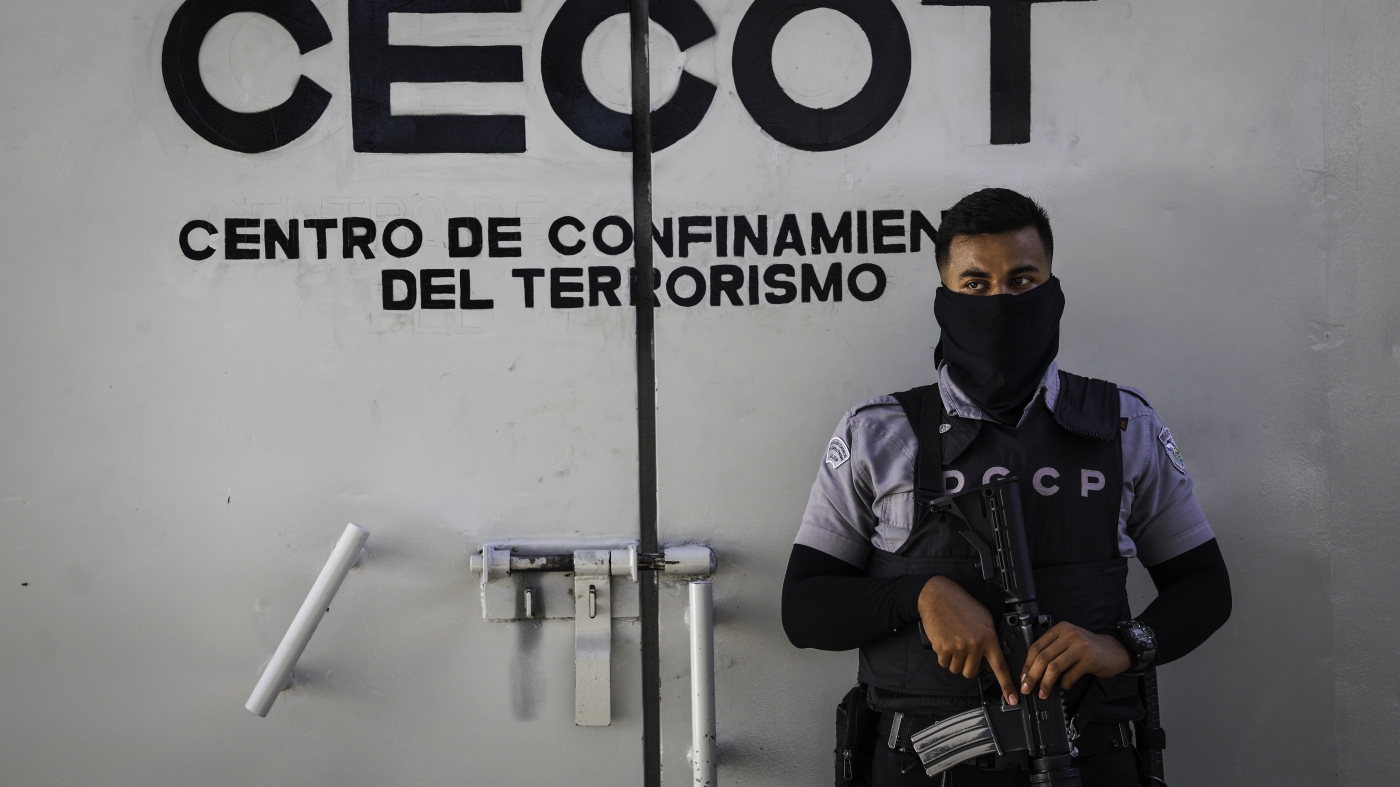
The case of the Venezuelan men deported to El Salvador under the Alien Enemies Act has been making its way through the courts for the past six months. The controversy surrounding the deportation of these men has brought attention to the Trump administration’s immigration policy and the lack of due process given to those affected. In March, President Trump invoked the Alien Enemies Act, a law dating back to 1798, to target members of the Venezuelan prison gang Tren de Aragua, which he claimed was invading the United States. The government subsequently sent several planeloads of alleged gang members to El Salvador, including 137 people under the statute.
The Court’s Ruling
Chief Judge James Boasberg of the US District Court for the District of Columbia has ruled that the US government denied due process to the Venezuelan men deported to El Salvador. In his order, Boasberg stated that the men deserved the right to a hearing, whether by bringing them back to the US or allowing them to pursue legal remedies from abroad. The judge certified the group of people removed on March 15 as a class, meaning the Venezuelans who brought the case as plaintiffs could represent the entire group of men removed. Boasberg’s ruling has significant implications for the Trump administration’s immigration policy and the use of the Alien Enemies Act.
The Alien Enemies Act and Its Implications
The Alien Enemies Act, invoked by President Trump, has been challenged by the American Civil Liberties Union (ACLU) and Democracy Forward as being used illegally. The act allows the president to deport non-citizens deemed a threat to national security, but the ACLU and Democracy Forward argue that it was used in this case without proper justification. The Trump administration’s use of the act has raised concerns about the lack of due process and the potential for abuse of power. The case has also highlighted the need for greater transparency and accountability in the government’s immigration policies.
The Government’s Response and Next Steps
The Trump administration is likely to appeal Boasberg’s ruling, which has given the government until January 5 to either facilitate the men’s return to the US or provide them with hearings that satisfy due process requirements. The Justice Department has argued that the judge overstepped his authority by inserting himself into questions of foreign policy. However, Boasberg has maintained that the US maintained custody over the men while they were imprisoned in El Salvador, and therefore, the court continues to have jurisdiction over their fate. The government’s response to the ruling will be closely watched, and the outcome of the case will have significant implications for the future of immigration policy in the US.
The Broader Implications of the Case
The case of the Venezuelan men deported to El Salvador under the Alien Enemies Act has far-reaching implications for the Trump administration’s immigration policy and the use of executive power. The ruling highlights the need for greater transparency and accountability in the government’s immigration policies and the importance of upholding due process rights for all individuals, regardless of their immigration status. The case also raises questions about the potential for abuse of power and the need for checks and balances on executive authority. As the case continues to unfold, it will be important to monitor the government’s response and the impact of the ruling on the lives of the individuals affected.
Conclusion
In conclusion, the case of the Venezuelan men deported to El Salvador under the Alien Enemies Act has brought attention to the Trump administration’s immigration policy and the lack of due process given to those affected. The ruling by Chief Judge James Boasberg has significant implications for the government’s use of executive power and the importance of upholding due process rights. As the case continues to unfold, it will be important to monitor the government’s response and the impact of the ruling on the lives of the individuals affected. The outcome of the case will have far-reaching implications for the future of immigration policy in the US and the balance of power between the executive branch and the judiciary.