


Key Takeaways:
- Unseasonably high temperatures have led to a lack of snow in California, with only 12% of the normal snowfall for this time of year.
- The dry conditions have forced many ski resorts to delay opening or limit skiers to only a few runs, often on man-made snow.
- An atmospheric river is expected to bring heavy rain and snow to California, potentially bringing relief to snow-starved ski resorts.
- The lack of snow has significant implications for California’s water supply, as roughly a third of the state’s water comes from snowmelt.
- Skiers and snowboarders are still finding ways to enjoy the limited conditions, with many praising the efforts of resort staff to keep runs open.
Introduction to the Drought
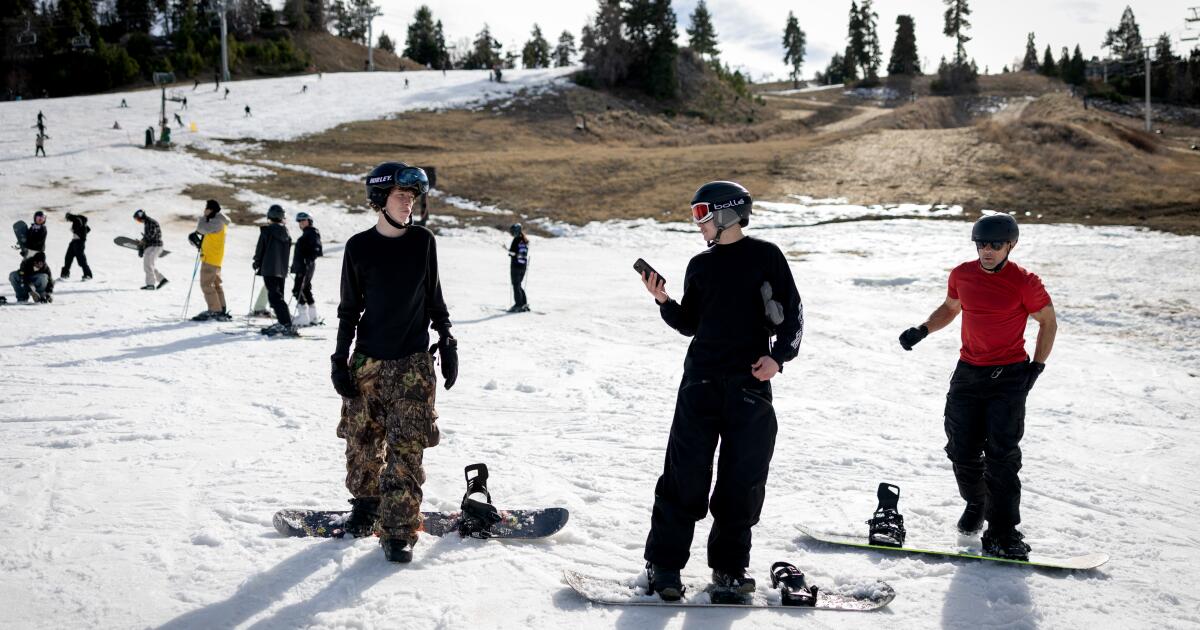
The current winter season has been particularly challenging for ski resorts in California, with unseasonably high temperatures and a lack of snow. Big Bear Mountain Resort, a popular destination for skiers and snowboarders, has been forced to rely on artificial snow makers to keep a few runs open. However, even these efforts have been hindered by the warm weather, leaving many adventure seekers to joke that the resort should be renamed "Big Bare." The lack of snow has been a state-wide issue, with California experiencing one of the driest Decembers in recent memory.
The Impact on Ski Resorts
The dry conditions have had a significant impact on ski resorts across the state, with many forced to delay opening or limit skiers to only a few runs. Big Bear Mountain Resort, for example, has only been able to keep a thin strip of artificial snow open, from the top of the Bear Mountain Express chairlift to the base. Skiers and snowboarders have had to navigate this limited terrain, often in crowded conditions, with a range of abilities on the same run creating a unique kind of "obstacle course." Despite the challenges, many skiers and snowboarders are still finding ways to enjoy the limited conditions, with some praising the efforts of resort staff to keep runs open.
The Economic Implications
The lack of snow has also had significant economic implications for the ski industry, with many resorts relying on season passes to generate revenue. These passes, which can cost upwards of $1,000, allow skiers and snowboarders to access multiple resorts across the country and around the world. However, with limited conditions, many skiers and snowboarders are feeling pressure to get their money’s worth, even if it means skiing on man-made snow. One-day lift tickets at Big Bear cost over $150, and at fancier resorts like Mammoth Mountain, they can easily climb to over $200 per day.
The Broader Implications
The lack of snow in California has broader implications for the state’s water supply. Roughly a third of the state’s water comes from snowmelt, which accumulates in the mountains during the winter and gradually melts through the spring and summer. The dry conditions have left water managers concerned about the state’s ability to meet its water needs, particularly during the hot summer months. An atmospheric river is expected to bring heavy rain and snow to California, potentially bringing relief to snow-starved ski resorts and helping to replenish the state’s water supply.
A Glimmer of Hope
Despite the challenges, there is a glimmer of hope on the horizon. The atmospheric river is expected to bring significant snowfall to many of California’s ski resorts, including Mammoth Mountain, which could see up to 7 feet of snow. Resorts on the north end of Lake Tahoe could see up to 5 feet, and even Big Bear could get 3 feet, assuming the temperature stays below freezing. This would be a welcome relief for skiers and snowboarders, as well as water managers, who are hoping for a Christmas miracle to help alleviate the state’s drought.
Conclusion
In conclusion, the lack of snow in California has had a significant impact on the state’s ski resorts, with many forced to delay opening or limit skiers to only a few runs. The dry conditions have also had broader implications for the state’s water supply, with roughly a third of the state’s water coming from snowmelt. However, with an atmospheric river expected to bring heavy rain and snow to the state, there is hope that the ski resorts will soon be able to offer better conditions, and the state’s water supply will be replenished. Despite the challenges, many skiers and snowboarders are still finding ways to enjoy the limited conditions, and are praising the efforts of resort staff to keep runs open.