


Key Takeaways:
- A judge has ordered special elections for the Mississippi Supreme Court due to the current electoral map violating the Voting Rights Act.
- The electoral map, enacted in 1987, dilutes the power of Black voters in the state.
- The Mississippi Legislature has until the end of its 2026 regular session to redraw the map.
- The U.S. Supreme Court is currently considering a challenge to Section 2 of the Voting Rights Act, which is the primary way plaintiffs can push back against racially discriminatory election practices.
- The ACLU filed a lawsuit in 2022 arguing that the current map diminishes the Black vote in the Central District.
Introduction to the Ruling
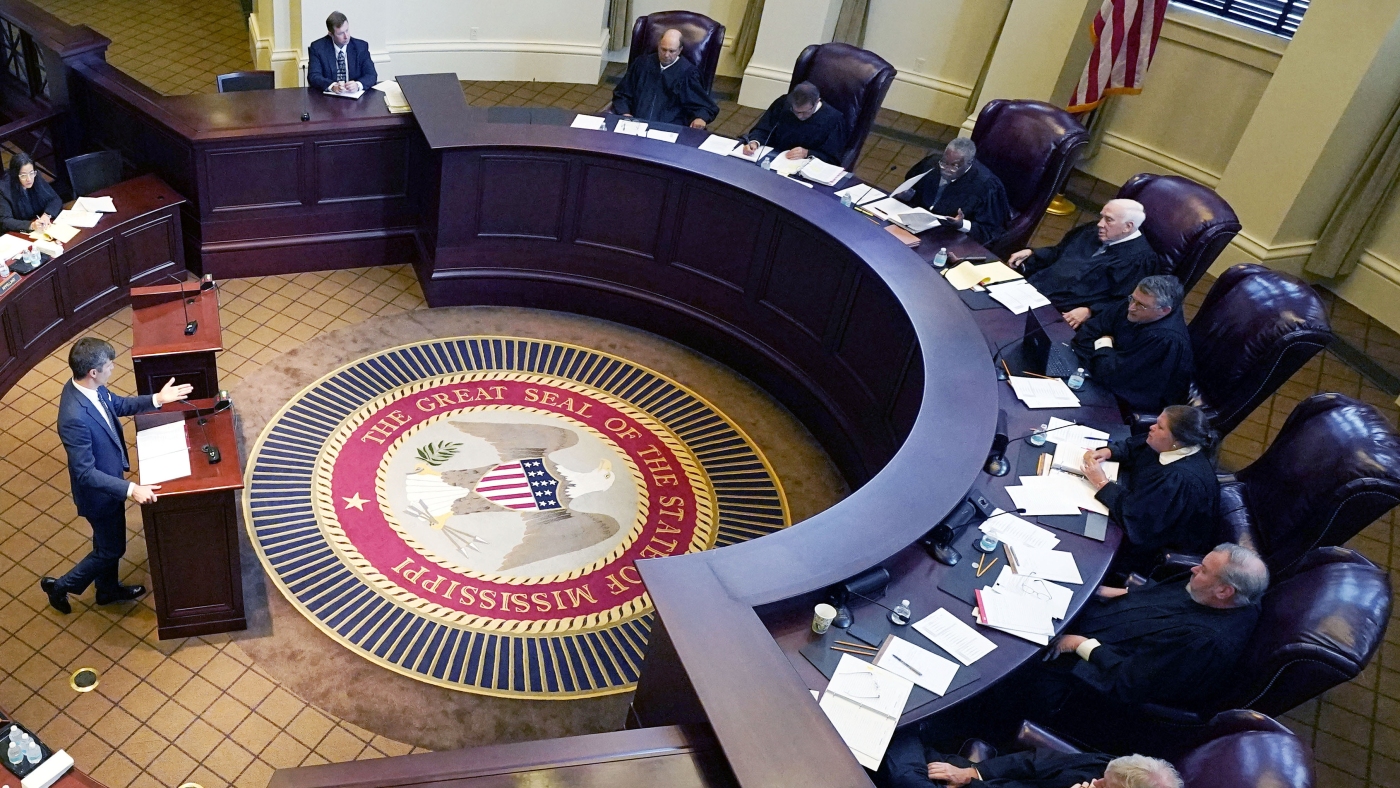
The Mississippi Supreme Court has been ordered to hold special elections after a judge found that the electoral map used to select justices violates Section 2 of the Voting Rights Act. U.S. District Judge Sharion Aycock made the ruling on Friday, giving the Mississippi Legislature until the end of its 2026 regular session to redraw the map. The current map, which was enacted in 1987, has been found to dilute the power of Black voters in the state. This ruling is a significant development in the ongoing efforts to address racial discrimination in election practices in Mississippi.
Background on the Case
The case began in 2022 when the American Civil Liberties Union (ACLU) filed a lawsuit arguing that the current map cuts Mississippi’s Delta region, a historically Black area, in half, diminishing the Black vote in the Central District. The ACLU argued that this map violates Section 2 of the Voting Rights Act, which prohibits voting practices that discriminate against racial or language minorities. Judge Aycock agreed with the ACLU, finding that the map does indeed dilute the power of Black voters. The Mississippi Secretary of State’s Office is appealing the ruling, but the Fifth U.S. Circuit Court of Appeals has stayed its proceedings pending the outcomes of the U.S. Supreme Court case and other related cases.
Impact of the Ruling
The ruling has significant implications for the representation of Black voters in Mississippi. As Ari Savitzky, a senior staff attorney with the ACLU’s Voting Rights Project, noted, "Mississippi is nearly 40% Black, but has never had more than one Black Justice on the nine-member Court." The ACLU is pleased with the ruling, seeing it as a step towards justice for Black voters in the state. Judge Aycock’s ruling also highlights the lack of diversity on the Mississippi Supreme Court, with only four Black people having served on the court since its inception. All of these justices held the same seat in the Central District and were first appointed to the position by a sitting governor.
Next Steps
The Mississippi Legislature now has until the end of its 2026 regular session to redraw the electoral map. Once the new map is approved, Judge Aycock will move quickly to meet any deadlines necessary to hold the special elections in November 2026. The judge will also defer deciding which seats will be subject to a special election until after the new map has been adopted. The U.S. Supreme Court is currently considering a challenge to Section 2 of the Voting Rights Act, which could have implications for this case and others like it. The Mississippi Secretary of State and Attorney General’s offices have not commented on the ruling, but it is likely that they will continue to appeal the decision.
Conclusion
The ruling in this case is a significant step towards addressing racial discrimination in election practices in Mississippi. The ACLU’s lawsuit and Judge Aycock’s ruling highlight the need for greater representation of Black voters in the state. The special elections ordered by the judge will provide an opportunity for Black voters to have a greater voice in the selection of justices for the Mississippi Supreme Court. As the case moves forward, it will be important to watch how the U.S. Supreme Court’s decision on Section 2 of the Voting Rights Act affects the outcome. Ultimately, this ruling is a victory for voting rights and a step towards a more equitable electoral system in Mississippi.