Key Takeaways
- Raymond Ratima was sentenced to life imprisonment in 1993 for murdering seven people, including his wife and her parents, in a rampage in Masterton.
- Ratima pleaded guilty to seven counts of murder, attempted murder, and killing an unborn child.
- He has been denied parole and will attend a special treatment unit for men with a history of violent offending.
- Ratima has expressed remorse for his actions and has apologized to his living victims.
- He will next appear for a parole hearing in January 2027.
Introduction to the Case
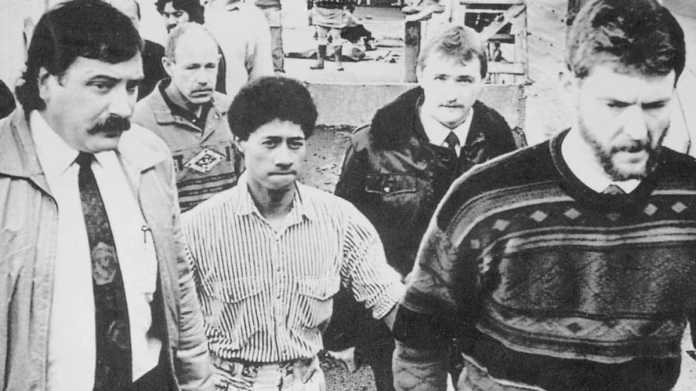
The case of Raymond Ratima is a tragic and disturbing one, involving a brutal massacre of seven people in Masterton in 1992. Ratima, who was motivated by a relationship breakdown, lay in wait in his in-laws’ darkened home on Judds Rd for his wife, Toni, and her parents, Phillip and Tubby Ferguson, to return home. He then attacked his father-in-law with a softball bat, sparking a violent and deadly rampage. Ratima’s actions that day would have a profound impact on the community and would ultimately lead to his imprisonment.
The Sentencing and Imprisonment
Ratima was sentenced to life imprisonment with a non-parole period of 10 years after pleading guilty to seven counts of murder, attempted murder, and killing an unborn child. His sentence was handed down in 1993, and he has been incarcerated ever since. Despite his imprisonment, Ratima has had the opportunity to reflect on his actions and has expressed remorse for the harm he caused. At his last parole hearing in July, he tearfully spoke about missing the people he had killed and acknowledged the pain and suffering he had caused.
The Parole Hearing
At his recent parole hearing, Ratima appeared before the Parole Board with the understanding that he would not be likely to receive parole. The board members were concerned about Ratima’s suitability for release, given his history of violent offending. One board member, Professor Susanna Every-Palmer, asked Ratima to put himself in the shoes of his living victims and consider how they might feel if he were to be released. Ratima responded by expressing his desire to reassure those victims that he meant them no harm and wished them "absolute healing." He also acknowledged that he had agreed to attend a special treatment unit for men with a history of violent offending, which he had previously been hesitant to do due to concerns for his safety.
Ratima’s Progress and Future
Despite his tragic past, Ratima has made progress during his imprisonment. His lawyer noted that he had an "exemplary" record in prison, and a Corrections officer stated that it was expected he would drop down to a minimum security classification when it was next up for review. The Parole Board members acknowledged Ratima’s progress but declined to grant him parole at this time. Instead, they recommended that he attend the treatment unit for at least 12 months to receive the right type of rehabilitation. The board will review Ratima’s case again in January 2027, at which time they will consider a possible period of reintegration.
Conclusion and Reflection
The case of Raymond Ratima serves as a reminder of the devastating consequences of violent offending and the importance of rehabilitation and restorative justice. While Ratima’s actions can never be undone, his expressions of remorse and his willingness to participate in rehabilitation programs offer some hope for his future. As he moves forward, it is essential that he continues to confront the harm he has caused and works towards healing and rehabilitation. The Parole Board’s decision to deny Ratima parole at this time is a prudent one, as it allows him the opportunity to receive the support and treatment he needs to address his violent tendencies and work towards a more positive future.