Key Takeaways
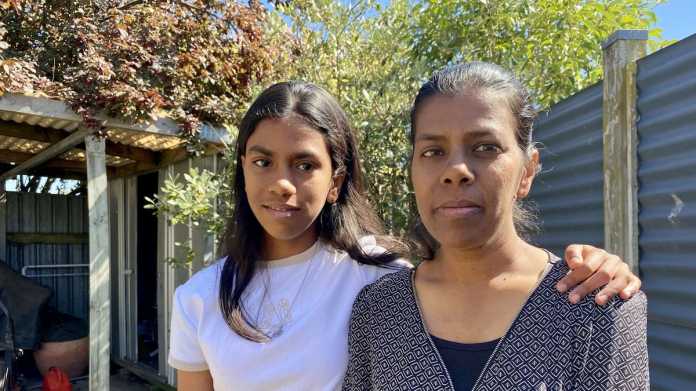
- Gedara and her daughters’ visas are set to expire in May, putting them at risk of being forced out of New Zealand after Kuttige’s death.
- Gedara wants to keep her daughters in school in New Zealand, fearing their education will suffer if they return to Sri Lanka.
- The family faces social and cultural challenges in Sri Lanka, including discrimination against widows and limited freedom for women.
- Gedara’s lawyer is assisting with a visa application to Immigration NZ, but the outcome is uncertain.
- Immigration NZ considers each case on its own merits, taking into account the family’s situation and ties to New Zealand.
Introduction to the Family’s Situation
Gedara and her family had settled happily in Napier, New Zealand, after relocating from Sri Lanka. Kuttige, Gedara’s husband, worked as a technician in Wellington during the weekdays and would return to Napier on weekends to be with his family. Gedara worked as a housekeeper and took care of their children. However, their life took a dramatic turn when Kuttige passed away suddenly in June 2024 due to a heart attack. Gedara’s world was turned upside down, and she was left to care for their daughters alone.
The Challenges of Losing a Loved One
The night of Kuttige’s death, Gedara was awoken by his calls for help. She rushed to his side, and after a brief conversation, he got up to use the bathroom. Tragically, he collapsed, and despite the efforts of a tenant who performed CPR, Kuttige did not survive. Gedara’s life was forever changed, and she was left to navigate the complexities of raising her daughters alone in a foreign country. The loss of her husband not only affected her emotionally but also put their immigration status in jeopardy. Gedara’s daughters’ visas are set to expire in May, and she is unsure of what the future holds for them.
The Struggle to Stay in New Zealand
Gedara is desperate to keep her daughters in New Zealand, where they have grown accustomed to the education system and way of life. She fears that if they return to Sri Lanka, their education will suffer due to the differences in the education systems. Moreover, Gedara is concerned about the social and cultural challenges they would face in Sri Lanka, including discrimination against widows and limited freedom for women. In Sri Lanka, women are often expected to stay at home after 6 pm, and widows are often stigmatized. Gedara’s daughters ask her daily about their future, but she is unable to provide them with answers, leaving them all in a state of uncertainty.
The Visa Application Process
Gedara’s lawyer is assisting the family with a visa application to Immigration NZ, but the outcome is far from certain. Gedara has been told to "relax" and that her lawyer will do everything she can, but she has also been warned not to get her hopes up. The family’s situation is complex, and Immigration NZ will consider their case on its own merits, taking into account their ties to New Zealand and their individual circumstances. Gedara has been working as a housekeeper at a Napier hotel for the past six months, and she is determined to secure her children’s futures in New Zealand.
Immigration NZ’s Response
According to Immigration NZ acting operations director Marcelle Foley, when a principal visa holder passes away, the linked visas of their partner and dependent children do not automatically remain valid. However, there is no expectation that families will depart New Zealand immediately following a death, and such matters are handled with sensitivity. Foley emphasized that each case is assessed on its own merits, taking into account factors such as the family’s situation and their ties to New Zealand. In some cases, affected family members may be eligible to apply for alternative visas, depending on eligibility and requirements.
Conclusion and Future Plans
Gedara’s primary concern is to secure her children’s futures in New Zealand. She wants to move her family to Auckland to be with her sister and her children, where they can start anew. Gedara’s daughters have lost their father, and she is determined not to let them lose anything else. She is willing to work hard to provide for them and ensure they have a stable and secure future. As Gedara navigates the complex immigration process, she remains hopeful that she and her daughters will be able to stay in New Zealand, the country they have come to call home.