Key Takeaways:
- Mrs. Batten died from a traumatic brain injury after a stretcher tipped over while being loaded into an ambulance.
- The coroner found that the cause of the incident was a loss of control by the Patient Transport Service (PTS) officer.
- Contributing factors included the use of a stretcher designed for two operators by a single person, and an unsuitable loading ramp.
- Health New Zealand and St John have made changes to prevent similar incidents, including increased training and the replacement of non-powered stretchers with powered ones.
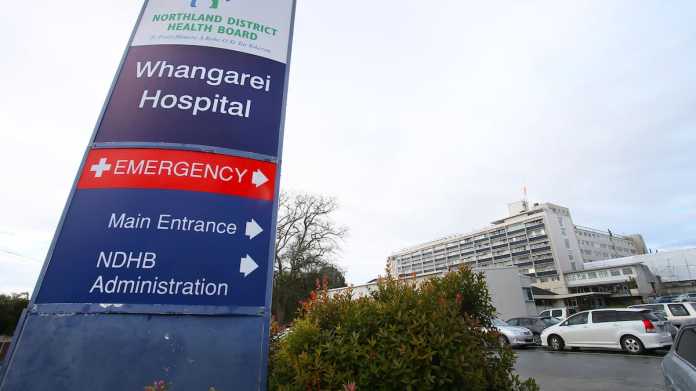
- The ambulance ramp at Whangārei Hospital has been reconfigured to improve patient safety.
Introduction to the Incident
The incident occurred when Mrs. Batten was being transported to an ambulance on a stretcher, which tipped over, causing her to strike her head on the concrete and sustain a fatal traumatic brain injury. The coroner’s investigation found that the cause of the incident was a loss of control by the PTS officer, who was operating the stretcher alone. The stretcher was designed to be operated by two people, and the coroner noted that if there had been two operators, one at the foot and one at the head of the stretcher, the incident may not have occurred.
Investigation and Findings
The coroner’s investigation found that the loading ramp outside Whangārei Hospital was also a contributing factor to the incident. The ramp was found to be unsuitable for the use of Stryker stretchers, and the coroner noted that if the ramp had been configured differently, the stretcher may not have tipped over. The investigation also found that the PTS officer had to navigate through construction work being done at the emergency department entrance, which may have contributed to the loss of control. The coroner accepted the findings of the investigation and noted that Health New Zealand and St John had made a number of changes to prevent similar incidents in the future.
Changes Made by Health New Zealand and St John
Health New Zealand and St John have made several changes to prevent similar incidents, including increased training for staff on the safe operation of stretchers. The training now includes maneuvering in a range of environments and loading and unloading patients. The coroner noted that by 2026, all non-powered stretchers will be replaced with powered stretchers, which are viewed as a safer option for single operators. The ambulance ramp at Whangārei Hospital has also been reconfigured to improve patient safety. Health New Zealand has also implemented recommendations from their internal review to improve safety when transferring patients between hospital and a patient transfer ambulance.
Response from Health New Zealand and St John
Health New Zealand and St John have both expressed their condolences to Mrs. Batten’s family and have apologized for the incident. Hato Hone St John ambulance operations general manager Debra Larsen said that Mrs. Batten’s death had a profound impact on everyone involved and that they remain committed to learning from it and improving the safety of their services. Health NZ Northland group director of operations Alex Pimm said that the organization was "extremely sorry" about what had happened and that they had thoroughly investigated the incident and made changes to help prevent a similar event from happening again.
Conclusion and Next Steps
The incident highlights the importance of ensuring that patient transport services are safe and that staff are properly trained to operate equipment. The changes made by Health New Zealand and St John are aimed at preventing similar incidents in the future and improving patient safety. The coroner’s investigation and findings provide valuable lessons for the healthcare sector, and the implementation of these changes will help to reduce the risk of similar incidents occurring in the future. The development of a transit lounge at Whangārei Hospital, where patients can be collected by ambulance for transfer to their home, is also a positive step towards improving patient safety and reducing traffic in the emergency department ambulance bay.