
Key Takeaways
- Frontline staff at Rotorua Hospital’s Emergency Department are often subjected to verbal abuse and physical threats due to long wait times and frustration among patients.
- Between January 1, 2024, and September 30, 2025, 455 verbal assaults and 140 physical assaults were recorded on health staff at Rotorua and Taupō Hospitals.
- Improved safe staffing levels, access to GPs, and urgent care could reduce instances of aggression and mitigate frustration among patients.
- Healthcare staff have received training on de-escalation techniques, and hospitals have implemented robust processes to manage risks and prevent escalation.
- The Government has invested $31 million in ED security over four years, which has increased guard capacity and delivered violence-reduction training.
Introduction to the Issue
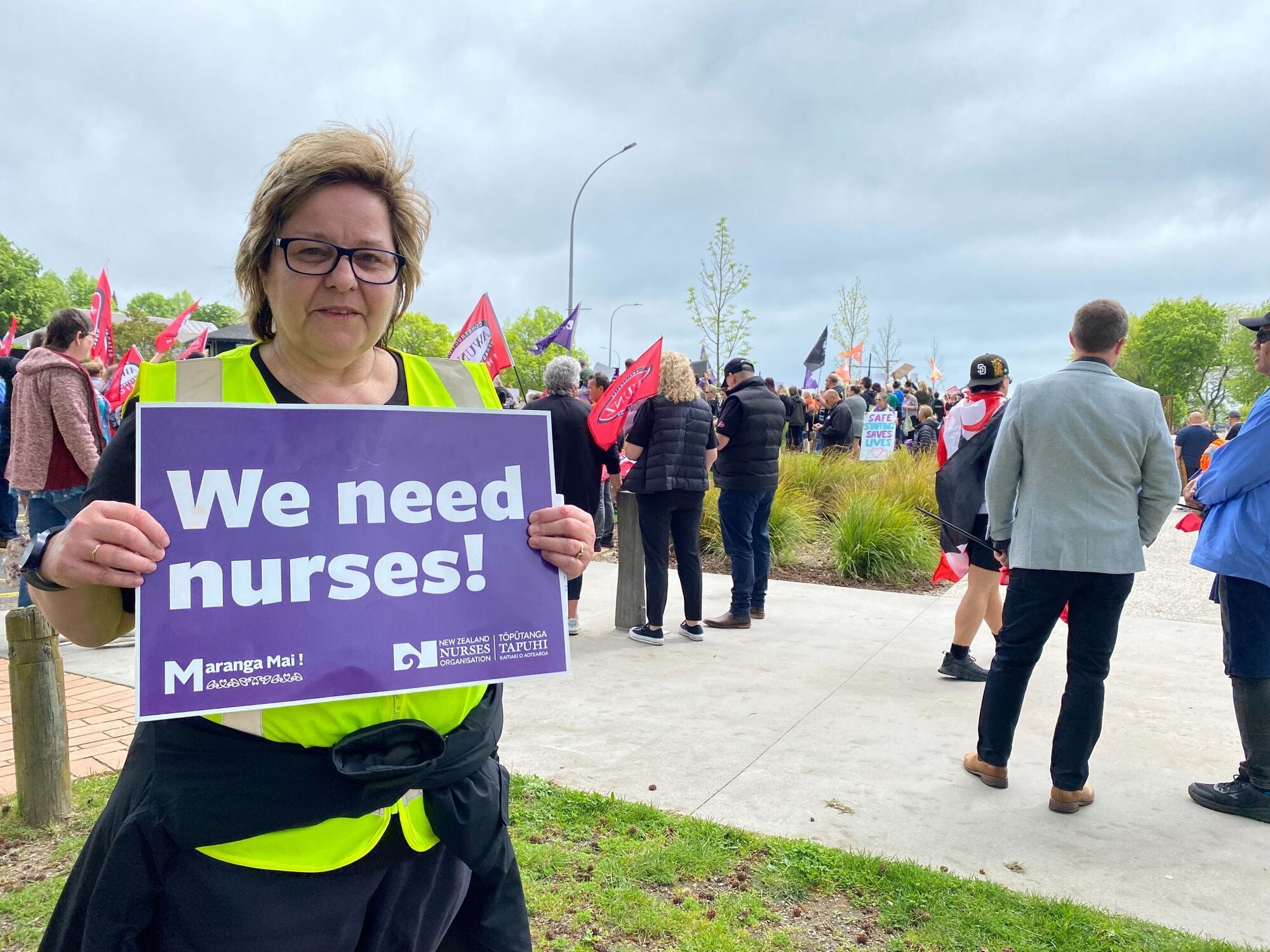
The issue of verbal and physical abuse towards healthcare staff in New Zealand’s hospitals has become a pressing concern. A Rotorua Hospital nurse, Lyn Logan, has spoken out about the frequent instances of verbal abuse she and her colleagues face while working in the Emergency Department. Logan, who is also a New Zealand Nurses Organisation (NZNO) delegate, stated that her decision to take strike action this year was largely due to concerns about workplace assaults and the broader challenges within the health system. She emphasized that adequate resources and improved access to GPs, urgent care, or emergency departments would likely reduce instances of aggression.
The Scale of the Problem
Figures obtained under the Official Information Act from Health New Zealand Te Whatu Ora revealed that between January 1, 2024, and September 30, 2025, 455 verbal assaults were recorded on health staff at Rotorua and Taupō Hospitals. This includes 168 incidents at security, 109 at facilities staff, and 65 in Rotorua Hospital’s Emergency Department. Furthermore, 140 physical assaults were recorded on health staff during the same period, with 59 incidents occurring in Rotorua Hospital’s acute mental health unit. At Tauranga and Whakatāne Hospitals, 477 verbal assaults and 467 physical assaults were recorded on health staff during the same period.
The Impact on Healthcare Staff
Logan shared her personal experience of encountering verbal abuse at work, citing an instance where someone called her and she was unable to provide information over the phone due to privacy reasons. She noted that triage is particularly susceptible to verbal abuse due to its high-pressure environment. When the Emergency Department is busy and wait times are extended, patients may become frustrated and upset, and frontline staff are often subjected to shouting or swearing as a result. Logan emphasized that staff have received training on de-escalation techniques, and the hospital’s security team and attendants are available to assist if necessary.
Response from Health NZ
In response to Logan’s comments, Health NZ Lakes group director of operations hospital and specialist services Alan Wilson stated that abuse towards healthcare staff is unacceptable and apologized for her experience. Wilson emphasized that frontline teams come to work every day to care for others and should never face verbal abuse or physical threats while doing so. He acknowledged that not every incident can be prevented but assured that Emergency Departments have robust processes to manage risks, protect staff and patients, and prevent escalation. Wilson also noted that violence and aggression toward healthcare workers reflect broader societal challenges, but Health NZ takes its responsibility to provide a safe environment for staff, patients, and visitors seriously.
Measures to Address the Issue
Wilson highlighted the efforts being made to address the issue, including the Government’s $31 million investment in ED security over four years. This has increased guard capacity, delivered over 20,000 hours of extra violence-reduction training, and strengthened national standards for hospital security. A workplan has also been developed, which includes risk assessment tools for staff working in high-risk settings, reviewing facility design to improve safety, and communicating its position on violence and aggression to visitors and patients. Health NZ has also emphasized the importance of providing a secure environment for everyone in their care and has assured that patients and visitors can rest assured that their safety and wellbeing is a top priority.
Conclusion
The issue of verbal and physical abuse towards healthcare staff in New Zealand’s hospitals is a complex and pressing concern. While it is unacceptable that frontline staff are often subjected to abuse, it is encouraging to see that efforts are being made to address the issue. Improved safe staffing levels, access to GPs, and urgent care, as well as increased investment in ED security, are crucial steps towards reducing instances of aggression and providing a safe environment for staff, patients, and visitors. By working together, we can mitigate the risks associated with verbal and physical abuse and ensure that healthcare staff can provide the best possible care to those in need.