


Key Takeaways
- The Air Canada Component of the Canadian Union of Public Employees (CUPE) has begun arbitration with Air Canada to settle wages after flight attendants rejected the company’s final offer
- The arbitration process will provide an opportunity for members to hear the facts surrounding the negotiations and what to expect from the process
- Air Canada sought and obtained federal government support to strip flight attendants of their right to strike, but the union defied the back-to-work order and achieved a stronger offer on ground pay
- The union is hopeful that they will make a strong case before the arbitrator that their members deserve better wages than what was offered by Air Canada
- The arbitration process is a testament to the courage of the union members who refused to back down in the face of opposition from the company and the federal government
Introduction to the Arbitration Process
The Air Canada Component of the Canadian Union of Public Employees (CUPE) has begun its first day of arbitration with Air Canada and Arbitrator Paula Knopf to settle wages after flight attendants voted over 99% to reject Air Canada’s final wage offer in September 2025. This development comes after a long and contentious negotiation process that spanned from December 2024 to August 2025. The union is hopeful that the arbitration process will provide a fair and impartial platform for their members to make their case for better wages and working conditions.
Background to the Negotiations
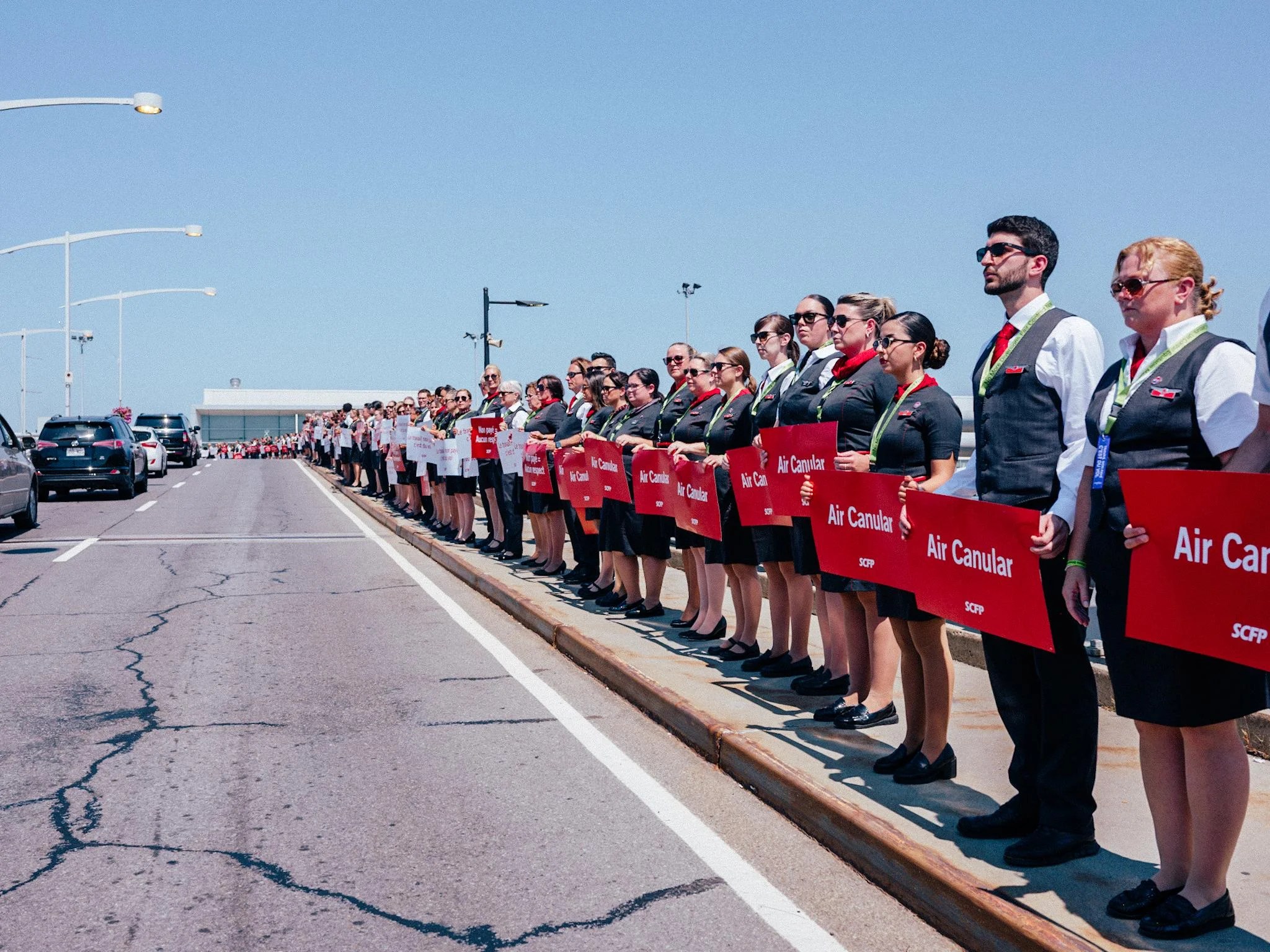
The negotiations between the union and Air Canada were marked by significant tension and controversy. In August 2025, Air Canada sought and obtained the support of the federal government to strip Air Canada flight attendants of their Charter right to strike for better working conditions. This move was widely seen as an attempt to undermine the union’s bargaining power and limit their ability to negotiate a fair deal. Air Canada CEO Michael Rousseau admitted on live television that the company did not make contingency plans for a strike, because they anticipated federal intervention to quash any job action on their behalf. However, the union refused to back down and defied the federal government’s back-to-work order, prompting Air Canada to return to the bargaining table.
The Union’s Position
The union is confident that they have a strong case to make before the arbitrator. According to Component President Wesley Lesosky, the arbitration process will provide an opportunity for members to hear the facts surrounding the negotiations and what to expect from the process. Lesosky also emphasized that the process will give members an opportunity to hear the extent to which Air Canada values their work and the vital, safety-critical role they play in the company’s operations. The union is hopeful that they will be able to make a strong case that their members deserve better wages than what was offered by Air Canada. As Lesosky noted, "The fact that we are here is a testament to the courage of our members. We refused to back down when a multi-billion-dollar company and their enforcers in the federal government tried to put their boots on our necks."
The Road to Arbitration
The union’s decision to pursue arbitration was not taken lightly. After Air Canada refused to budge on their previous positions on hourly rates of pay, the parties agreed to move the final question of wages to arbitration. The union sees this as a positive development, as it provides an opportunity for an impartial third-party to review the evidence and make a decision based on the merits of the case. As Lesosky noted, "We achieved a better deal because of the bravery of our flight attendants, and we are hopeful we will make our case before the arbitrator that our members deserve better than the poverty wages offered by our employer." The union is confident that the arbitration process will be a fair and transparent one, and that the arbitrator will take into account the evidence and arguments presented by both sides.
Conclusion and Next Steps
The arbitration process is an important step in the union’s efforts to secure a fair deal for their members. The union is hopeful that the arbitrator will recognize the value and importance of the work done by Air Canada flight attendants and award them a wage that reflects their contributions to the company. The outcome of the arbitration process will have significant implications for the union and its members, and will likely set a precedent for future labor negotiations in the industry. As the process moves forward, the union will continue to advocate for the rights and interests of their members, and will work to ensure that their voices are heard and their concerns are addressed. Ultimately, the union is confident that the arbitration process will be a positive step towards achieving a fair and equitable deal for Air Canada flight attendants.