Key Takeaways
- The eel deaths in the Waiatai and Ikanui streams were caused by a natural blackwater event, exacerbated by extreme heat and heavy rainfall.
- The blackwater event resulted in oxygen levels dropping to 1.9%, making it impossible for even resilient species like tuna to survive.
- The landscape around the stream has changed over time, making it more vulnerable to sudden weather shifts.
- Steps can be taken to help build the resilience of the Waiatai Stream, including native planting, restoring wetlands, and keeping fish passages open.
- The community is committed to working together to protect the stream and strengthen its health and mauri.
Introduction to the Eel Deaths
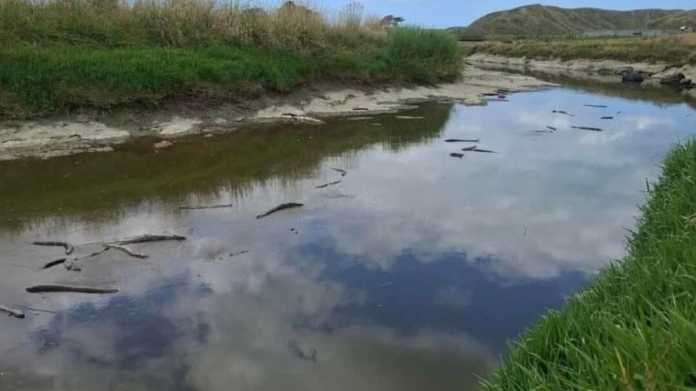
The recent eel deaths in the Waiatai and Ikanui streams have been a cause of concern for the community, with many wondering what could have led to such a devastating event. According to HBRC teams, who collected water samples from several locations in the streams, the deaths were caused by a natural blackwater event. This event was made worse by the combination of extreme heat and heavy rainfall in early January, which put the entire aquatic system under severe stress. As a result, even resilient species like tuna were unable to survive.
The Blackwater Event
A blackwater event occurs when heavy rain washes large amounts of natural material, such as leaves, grasses, and wetland debris, into a stream. As this material breaks down, it rapidly consumes oxygen in the water. In this case, oxygen levels dropped to just 1.9%, which is effectively no oxygen at all. In healthy freshwater streams, oxygen levels typically sit above 80%. The rapid consumption of oxygen made it impossible for the eels and other aquatic life to survive. The HBRC teams found that the stream was under immense stress due to the changing conditions, and the lack of oxygen was the final blow.
The Changing Landscape
Over time, the landscape around the Waiatai Stream has changed, with less shade, altered wetlands, and warmer water. This has made the stream more vulnerable to sudden weather shifts. The HBRC teams noted that the stream’s vulnerability to blackwater events is a result of these changes. The lack of native vegetation and the altered wetlands have reduced the stream’s ability to absorb and filter out excess nutrients and sediments. This has made the stream more prone to pollution and has reduced its overall health.
Community Response
The community has been deeply affected by the eel deaths, with many calling for action to be taken to protect the stream. Kate Eaglesome, whose family lives on Kairangi Station further downstream, said that it was good to finally have an answer, but now it’s time to take action. She called for native planting, restoring wetlands, and keeping fish passages open to help build the resilience of the Waiatai Stream. Eaglesome also noted that autumn and winter are the perfect times to start planting, and she urged the community to take action now.
Post-Mortem Examination
One of the dead eels was sent to Massey University for a post-mortem examination, but unfortunately, it was too decomposed to determine the cause of death or run any other tests. Associate Professor in Wildlife Pathology, Stuart Hunter, noted that post-mortem findings are not very specific when it comes to issues with water quality, and that water testing is much more useful. This highlights the importance of water testing in determining the cause of aquatic life deaths.
Conclusion and Future Plans
The eel deaths in the Waiatai and Ikanui streams have been a wake-up call for the community, highlighting the need to take action to protect the stream. The HBRC teams have identified the cause of the deaths, and the community is committed to working together to protect the stream and strengthen its health and mauri. By taking steps such as native planting, restoring wetlands, and keeping fish passages open, the community can help build the resilience of the Waiatai Stream and prevent similar events from happening in the future. As Siers noted, "Strengthening the health and mauri of the Waiatai Stream is something we all care about, and we’re committed to working alongside mana whenua, landowners, and the wider community to protect it moving forward."