


Key Takeaways
- Rwanda is taking legal action against the United Kingdom for its refusal to make payments under a controversial migration agreement.
- The agreement, brokered by then Prime Minister Boris Johnson in 2022, was intended to deter illegal migration to the UK by sending undocumented migrants to Rwanda.
- The UK Supreme Court ruled that the deal was illegal under international law, and only four migrants were sent to detention centers in Rwanda before the deal was scrapped.
- Rwanda is seeking a further £50 million in compensation after the UK failed to formally terminate the agreement.
- The UK has stated that it will "robustly defend" its position and protect British taxpayers.
Introduction to the Rwanda Policy
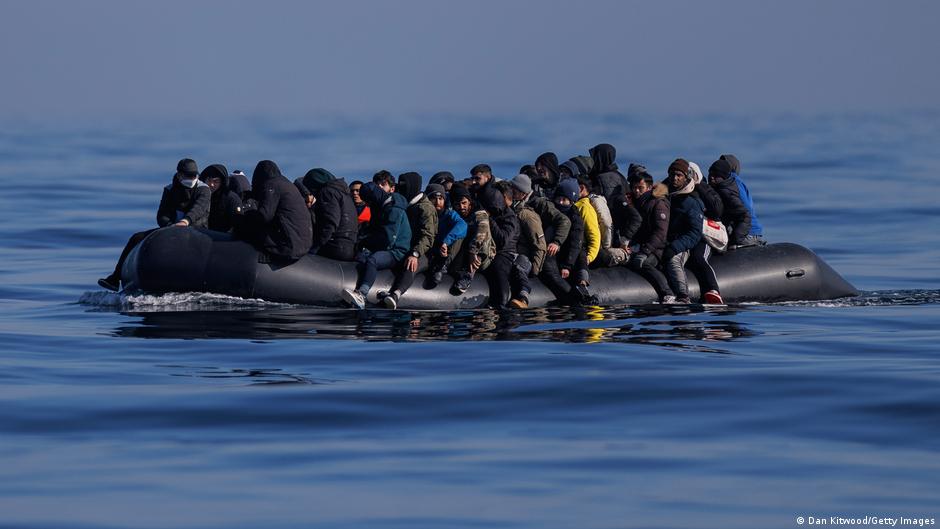
The Rwanda policy was a controversial migration agreement brokered by then Prime Minister Boris Johnson in 2022. The policy was intended to deter illegal migration to the UK by sending undocumented migrants arriving in the UK on small boats to Rwanda. The previous Conservative government spent approximately £700 million on the policy before the 2024 general election. However, the policy faced a string of legal challenges and was ultimately ruled illegal under international law by the UK Supreme Court.
The UK Supreme Court Ruling
In November 2023, the UK Supreme Court ruled that the deal was illegal under international law. The court concluded that Rwanda was not a safe destination because of the risk that people deported to the African nation could be sent on to face persecution or human rights abuses in another country. This ruling was a significant blow to the policy, and it ultimately led to its demise. The UK managed to send only four migrants to detention centers in Rwanda before the policy was scrapped by Prime Minister Keir Starmer in July 2024.
The Demise of the Policy
Prime Minister Keir Starmer declared the policy "dead and buried" after taking office in July 2024. He stated that the agreement failed to deter unauthorized migrants and was a waste of resources. The UK had already paid Rwanda £240 million by the time the policy was scrapped. Despite this, Rwanda is now seeking a further £50 million in compensation after the UK failed to formally terminate the agreement. This move has sparked a heated debate between the two countries, with each side accusing the other of breaching the terms of the agreement.
The Arbitration Proceedings
Rwanda has launched arbitral proceedings against the UK through The Hague-based Permanent Court of Arbitration. The court’s website lists the case status as pending. The proceedings are a result of the UK’s failure to make payments under the agreement, and Rwanda’s claims for compensation. The UK has stated that it will "robustly defend" its position and protect British taxpayers. A spokesman for the UK prime minister said, "We will robustly defend our position to protect British taxpayers, and we’re getting on with the job of focusing on effective ways to stamp out illegal migration, not costly gimmicks."
Reactions from Rwanda and the UK
The reactions from Rwanda and the UK have been predictable, with each side accusing the other of breaching the terms of the agreement. Michael Butera, Chief Technical Advisor to the Minister of Justice, told the AFP news agency, "Rwanda regrets that it has been necessary to pursue these claims in arbitration, but faced with the United Kingdom’s intransigence on these issues, it has been left with no other choice." On the other hand, the UK has stated that the policy was a "complete disaster" and that it was never a deterrent. The UK’s stance is that it will not be held liable for the failed policy and will protect its taxpayers.
Conclusion and Future Implications
The controversy surrounding the Rwanda policy has significant implications for future migration agreements between countries. The UK’s decision to scrap the policy and Rwanda’s decision to seek compensation have sparked a heated debate about the effectiveness and legality of such agreements. The outcome of the arbitration proceedings will be closely watched, and it will have significant implications for the relationship between the UK and Rwanda. The case also highlights the need for careful consideration and planning when drafting migration agreements, to ensure that they are effective, legal, and respectful of human rights. Ultimately, the UK and Rwanda must find a way to resolve their differences and work towards a more effective and sustainable solution to address the complex issue of illegal migration.