


Key Takeaways:
- The federal government has announced the results of the latest round of Medicare drug price negotiations, with 15 lower drug prices to go into effect in 2027.
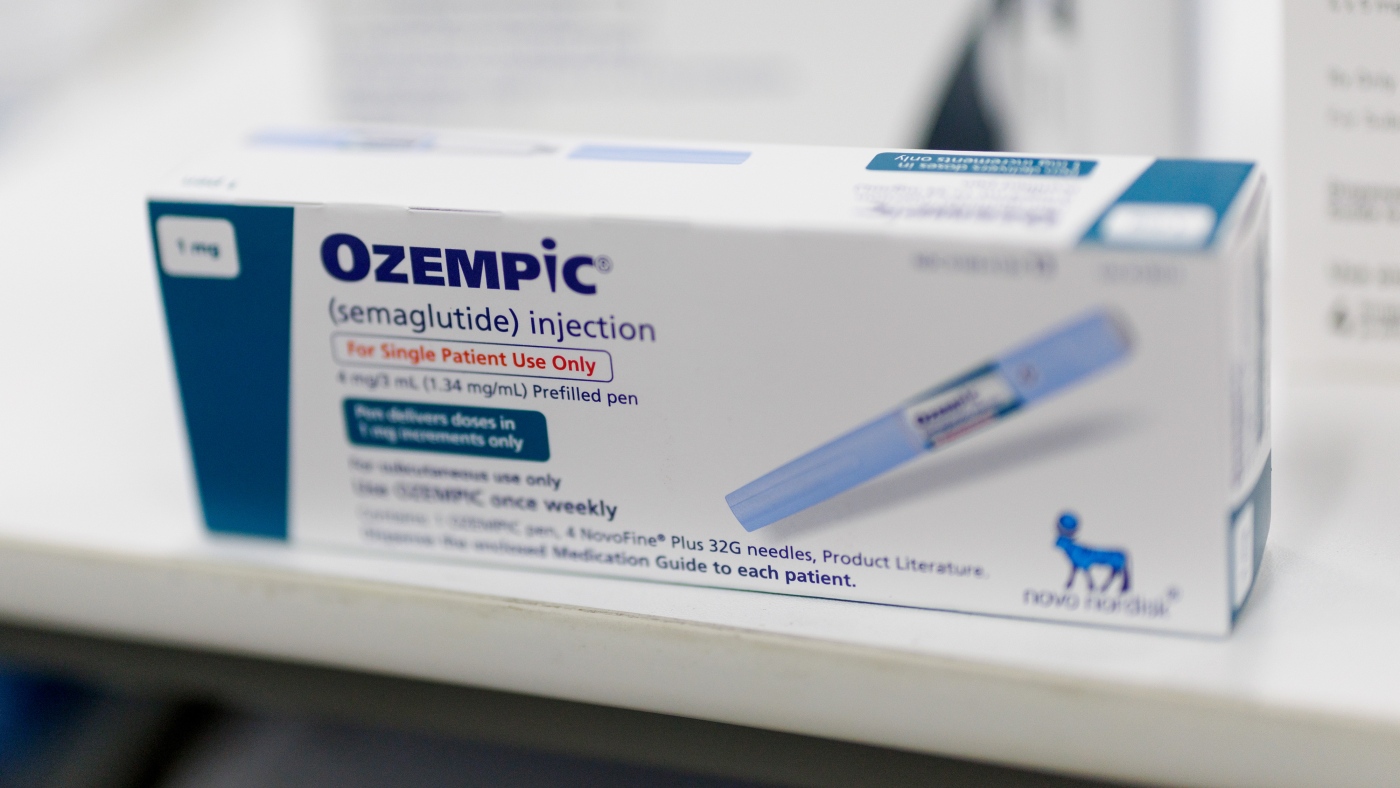
- Medicare will receive a 71% discount on blockbuster drugs Ozempic, Wegovy, and Rybelsus, which are used to treat obesity and Type 2 diabetes.
- The discounts range from 38% to 85% for various drugs, including those for asthma, breast cancer, and leukemia.
- The new prices are expected to save the Medicare program $12 billion if they had been in effect in 2024.
- The negotiations are a result of the Biden-era Inflation Reduction Act, which ended Medicare’s 20-year ban on negotiating drug prices.
Introduction to Medicare Drug Price Negotiations
The federal government has recently announced the results of the latest round of Medicare drug price negotiations, which will result in 15 lower drug prices for Medicare to go into effect in 2027. This is a significant development, as it will bring much-needed relief to millions of Americans who rely on Medicare for their healthcare needs. The negotiations, which were made possible by the Biden-era Inflation Reduction Act, have resulted in substantial discounts on a range of drugs, including those used to treat obesity, Type 2 diabetes, asthma, breast cancer, and leukemia.
Details of the Negotiations
The program that covers drugs for more than 50 million seniors negotiated its first batch of drug prices last year, after the passage of the Inflation Reduction Act in 2022. A provision of that law, passed without Republican support, ended Medicare’s 20-year ban on negotiating drug prices. Negotiations for this second batch of 15 drugs wrapped up at the end of October, and the Centers for Medicare and Medicaid Services (CMS) say the new, lower Medicare prices would have saved the program $12 billion dollars if the lower negotiated prices had been in effect in 2024. The latest negotiated prices are great news for taxpayers and patients, says Dr. Benjamin Rome, health policy researcher at Brigham and Women’s Hospital in Boston.
Impact on Patients and Taxpayers
The lower Ozempic and Wegovy prices follow a separate deal the Trump administration announced on Nov. 6 with Novo Nordisk, which makes both drugs. That deal was part of the president’s push to get drug companies to voluntarily lower their U.S. prices to match those in other developed countries. However, the discounts from the Medicare negotiations were less significant than what Novo Nordisk agreed to give Medicare as part of the Nov. 6 deal. The separate Trump Administration deal set a price of $245 dollars a month for Ozempic and Wegovy, but according to the negotiated prices announced this week, the prices of Ozempic, Wegovy, and Rybelsus will be $274 a month. This discrepancy has raised questions, with Dr. Rome stating that "it’s not clear why Novo [Nordisk] would promise a different price in two different venues."
Reaction from Pharmaceutical Companies and Advocacy Groups
Novo Nordisk has explained that it "look[s] forward to additional clarity from CMS on how pricing and coverage will work." The company’s statement also affirmed that it is committed to advocating for affordable access to its medications, but "we continue to have serious concerns about the Inflation Reduction Act’s impact on patients and remain opposed to government price setting." On the other hand, AARP, an advocacy group for the 125 million Americans who are 50 and older, was pleased with the results of the negotiations. "Today’s announcement marks yet another significant next step forward in our long-standing efforts to lower prescription drug prices," AARP’s CEO Dr. Myechia Minter-Jordan said in a statement.
Conclusion and Future Implications
The latest round of Medicare drug price negotiations is a significant step forward in the effort to lower prescription drug prices for millions of Americans. The discounts on blockbuster drugs like Ozempic, Wegovy, and Rybelsus will bring meaningful relief to patients who rely on these medications to manage their conditions. While there are still questions and concerns surrounding the negotiations, the outcome is a positive development for taxpayers and patients alike. As Dr. Minter-Jordan noted, "older Americans across the political spectrum consistently say lower drug prices are a top priority, and these negotiated prices will bring meaningful relief to millions of people on Medicare." The success of these negotiations will likely have significant implications for the future of healthcare policy and the pharmaceutical industry, and it will be important to continue monitoring the situation to ensure that patients have access to affordable and effective treatments.