Key Takeaways
- The 22nd Judicial Circuit in St. Louis is undergoing a major technology upgrade in all 31 courtrooms in the Cahill and Carnahan courthouses.
- The upgrade includes new sound systems and technology for digital display of evidence, with each courtroom costing approximately $250,000 to upgrade.
- The project is being completed in phases, with the first six courtrooms already underway, and funding limitations allowing for only six courtrooms to be upgraded at a time.
- The new technology is expected to level the playing field for all parties involved in a case, and provide easier access to evidence, particularly in cases involving digital evidence such as smartphones.
Introduction to the Upgrade
The courtrooms of the 22nd Judicial Circuit in St. Louis are getting a major technology boost, with all 31 courtrooms in the Cahill and Carnahan courthouses downtown scheduled to receive new sound systems and technology that makes the digital display of evidence easier. The upgrade is a significant one, with most of the existing technology dating back to the 1960s or earlier. According to Erica Priess, the circuit’s information technology manager, the old technology has been problematic, with issues arising when trying to access and upgrade the outdated systems.
Planning and Construction
Planning for the project began as early as 2022, and construction on the first six courtrooms started in May. Presiding Judge Christopher McGraugh noted that each floor of courtrooms is unique, requiring customized solutions for each upgrade. The project has involved upgrading the electrical infrastructure and technological infrastructure to support the new technology. The construction process has also required careful consideration of the historic nature of the courtrooms, with workers having to drill large holes in the walls to install upgraded cables for TVs, internet, and speakers.
Benefits of the Upgrade
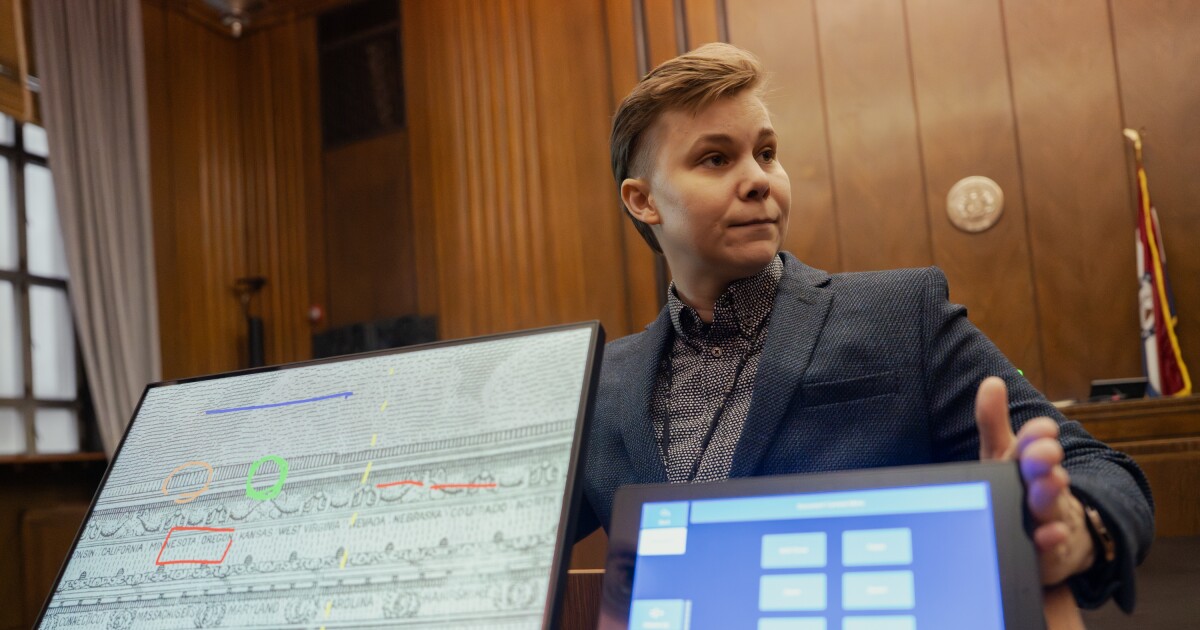
The new technology is expected to have a significant impact on the way cases are presented in court. Law firms that have the ability to bring in their own projectors and screens have always done so, but this has created an uneven playing field. Circuit Judge Jason Sengheiser, whose courtroom was among the first to be upgraded, noted that the new technology helps to level the playing field, as all parties can now work with the same tools. This is particularly important in cases where one party has access to more advanced technology than the other, as this can affect the way the jury looks at the case.
Practical Applications
The new technology has already been put to use in several courtrooms, with positive results. Circuit Judge Heather Hays, who was also among the first judges to use the new technology, noted that it has been especially helpful in orders of protection cases, where some of the evidence may be on smartphones. Previously, parties would have to hand over their devices to the judge, which could be problematic if the phone rang or a message came in. The new technology allows parties to connect their phones directly to the system, making it easier to present evidence and reducing the risk of distractions.
Training and Support
The court has put together training videos to help judges, lawyers, and other court staff learn how to use the new technology. This is an important aspect of the upgrade, as it ensures that all users are able to get the most out of the new systems. The training videos are available to anyone who needs them, and are designed to be easy to follow and understand.
Funding and Challenges
The upgrade is not without its challenges, particularly when it comes to funding. Each courtroom costs approximately $250,000 to upgrade, and funding limitations mean that only six courtrooms can be upgraded at a time. Last year, then-Gov. Mike Parson vetoed a $3.5 million appropriation from the state’s general revenue fund, citing a projected budget deficit for the fiscal year beginning in July 2026. Despite these challenges, the court is committed to completing the upgrade, which is expected to take several years to complete.
Conclusion
The technology upgrade in the 22nd Judicial Circuit in St. Louis is a significant step forward for the court, providing new sound systems and technology for digital display of evidence. The upgrade is expected to level the playing field for all parties involved in a case, and provide easier access to evidence, particularly in cases involving digital evidence such as smartphones. While there are challenges to be overcome, particularly when it comes to funding, the court is committed to completing the upgrade, which is expected to take several years to complete.