


Key Takeaways
- Nail fungus is notoriously difficult to treat because it penetrates the nail bed deeply, requiring persistent and comprehensive treatment approaches.
- Home remedies like vinegar soaks and tea tree oil can be effective for mild cases, but typically take 6-12 months to show significant improvement.
- Professional treatments including oral antifungals and laser therapy provide faster results but come with higher costs and potential side effects.
- Consistent preventative measures are essential regardless of treatment choice to prevent recurrence of fungal infections.
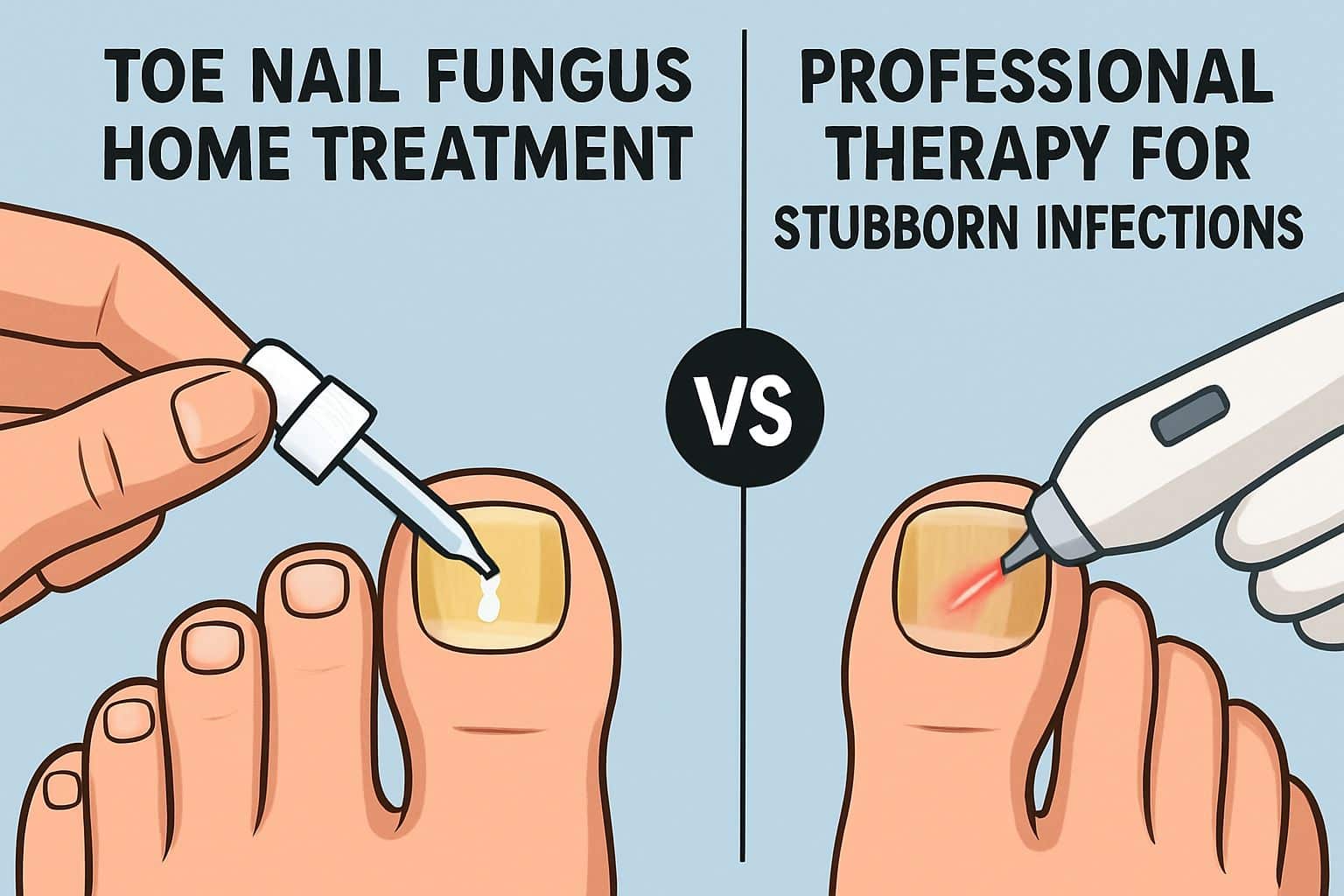
- The Foot and Ankle Centers provide specialized laser treatments that penetrate the nail plate to target stubborn fungal infections at their source.
Battling nail fungus feels like an endless cycle of treatment attempts followed by disappointing results. If you’ve been struggling with discolored, thickened, or brittle nails that just won’t respond to treatment, you’re not alone. Nail fungus affects approximately 10% of the adult population and becomes increasingly common with age, with nearly 50% of people over 70 experiencing this stubborn condition.
The Foot and Ankle Centers specialize in treating even the most persistent cases of nail fungus with advanced laser therapy that targets infections at their source. While home remedies may work for mild cases, professional treatment options provide significantly higher success rates for moderate to severe infections.
Nail Fungus: Why It’s So Hard to Beat
Nail fungus proves particularly stubborn because the infection lives beneath the nail plate in the nail bed, creating a protected environment where fungi thrive. Unlike skin infections that can be easily accessed with topical treatments, nail fungus has essentially created its own fortress behind the thick, protective barrier of your nail. This physical barrier makes it difficult for most treatments to reach the infection’s source effectively.
Additionally, toenails grow extremely slowly—taking 12-18 months to completely replace themselves—which means that even after killing the fungus, you’ll need to wait for clear nail to grow out. This lengthy regrowth period often leads people to abandon treatment prematurely, assuming it isn’t working when patience is actually required.
Signs Your Nail Has a Fungal Infection
Recognizing nail fungus early improves your chances of successful treatment. The classic signs include yellowish or brownish discoloration of the nail, thickening, brittleness, ragged edges, distorted shape, and sometimes a slightly foul odor. Early detection might reveal just a small white or yellow spot under the tip of your nail, which can be the first indicator of fungal invasion.
More advanced infections may cause the nail to separate from the nail bed (a condition called onycholysis), create buildup of debris beneath the nail, or even cause pain when wearing shoes or walking. These symptoms typically worsen gradually over time without proper intervention, eventually affecting multiple nails if left untreated. For those seeking relief, exploring prescription medication for toenail fungus can be an effective solution.
How Nail Fungus Takes Hold and Spreads
Fungal nail infections typically begin when dermatophytes (a type of fungi) find entry through tiny cuts or separations between your nail and nail bed. These microscopic organisms thrive in warm, moist environments—making sweaty shoes, communal showers, and pool areas perfect breeding grounds. Once established beneath a nail, the infection can spread to other nails through direct contact or shared personal items like towels and nail clippers.
The risk increases significantly for individuals with compromised immune systems, poor circulation, or diabetes. Athletes, elderly individuals, and those who frequently have wet hands (like dishwashers or swimmers) face higher risks as well. Even something as simple as wearing tight shoes that cause micro-traumas to your nails can create entry points for fungal spores. For athletes, understanding the impact of swimming on toenail health is crucial to prevent infections.
Why Most People Struggle with Treatment
Treatment failure happens for several key reasons that go beyond the physical barrier of the nail. Most importantly, consistency is absolutely crucial—many people apply treatments sporadically or abandon them after a few weeks when visible results haven’t appeared. This stop-start approach virtually guarantees failure, as fungi can quickly reestablish themselves during treatment gaps.
Another common issue is misdiagnosis. Not all nail discoloration or deformity stems from fungus; psoriasis, bacterial infections, and trauma can cause similar symptoms. Without proper diagnosis, you might be using antifungal treatments on a problem that requires entirely different care. Finally, many over-the-counter products simply lack the potency to penetrate the nail sufficiently or kill the specific type of fungus causing your infection.
Effective Home Remedies for Nail Fungus
Home remedies offer accessible options for those wanting to try natural approaches before seeking professional help. While they generally work more slowly than prescription options, they can be effective particularly for mild to moderate infections. The key to success with any home treatment is unwavering consistency and patience—most require daily application for many months. For those interested in exploring different natural solutions, you might consider essential oil blends for nail fungus as a viable option.
Vinegar Soaks: How They Work
Vinegar soaks have earned their place as one of the most popular home remedies due to their accessibility and mild antifungal properties. The acetic acid in vinegar creates an acidic environment that inhibits fungal growth while helping to restore the skin’s natural pH balance. For best results, mix one part white vinegar with two parts warm water and soak affected nails for 15-20 minutes daily. For more information on effective treatments, explore prescription treatments for toenail fungus.
Consistency is absolutely crucial—plan on performing these soaks twice daily for at least three months to see significant improvement. After soaking, thoroughly dry your feet and apply a small amount of coconut oil or tea tree oil to moisturize the skin without creating excess dampness. Remember to replace your soaking solution daily to prevent reintroducing fungal elements back to your nails.
Tea Tree Oil Application Method
Tea tree oil stands out as nature’s potent antifungal agent, containing compounds like terpinen-4-ol that actively combat fungal infections. For nail fungus treatment, use a high-quality, 100% pure tea tree oil applied directly to affected nails using a cotton swab or clean dropper. Apply 2-3 drops to each affected nail twice daily after thoroughly cleaning and drying the area. For more natural remedies, consider exploring essential oil blends that can complement your treatment.
For enhanced effectiveness, consider creating a tea tree oil mixture by combining 5 drops with a teaspoon of coconut oil or olive oil as a carrier. This improves absorption and reduces potential skin irritation. Some users find success by adding tea tree oil to foot baths, using 10-15 drops in warm water for a 20-minute soak. Whichever method you choose, expect to continue treatment for at least six months to see significant improvement.
Baking Soda Paste Treatment
Baking soda creates an alkaline environment that fungi struggle to survive in, while also helping to absorb moisture that fungal organisms need to thrive. Create a thick paste by mixing baking soda with just enough water to form a spreadable consistency. Apply this paste directly to affected nails, allowing it to sit for 10-15 minutes before rinsing thoroughly and drying completely. For more information on effective treatments, consider exploring nail fungus treatment options.
Some users enhance this remedy by alternating between baking soda and vinegar treatments, taking advantage of both acidic and alkaline environments to discourage fungal growth. The mild abrasive quality of baking soda also helps remove some of the thickened nail material, allowing other treatments to penetrate more effectively. For best results, apply twice daily and incorporate into your routine after showering when nails are softer.
Vicks VapoRub: The Surprising Solution
This common cold remedy has gained popularity as an unexpected nail fungus fighter, with some clinical evidence supporting its effectiveness. The active ingredients—camphor, eucalyptus oil, and menthol—possess antifungal properties that can penetrate the nail. Simply apply a small amount directly to the affected nail, massaging it in thoroughly and covering with a bandage if desired.
A 2011 study published in the Journal of the American Board of Family Medicine showed that 15 of 18 participants using Vicks VapoRub experienced positive effects, with 5 achieving a complete cure. While not as potent as prescription medications, this accessible option provides a reasonable alternative for those seeking over-the-counter solutions. Apply once in the morning and once before bed, continuing for 3-6 months for noticeable improvement.
Garlic Extract and Oregano Oil Options
Both garlic and oregano oil contain powerful compounds with documented antifungal properties. Garlic contains allicin, which studies have shown exhibits strong antimicrobial activity against fungi. Fresh garlic can be crushed and applied directly to affected nails (though this may cause skin irritation), or you can purchase odor-controlled garlic supplements and topical preparations. For those interested in using oregano oil, you can find a DIY oregano oil toenail fungus treatment recipe that might be beneficial.
Oregano oil contains thymol and carvacrol, compounds with proven antifungal efficacy. Because pure oregano oil can irritate skin, always dilute with a carrier oil like coconut or olive oil at a ratio of 1 drop oregano oil to 2-3 drops carrier oil before applying to nails. Both these remedies require consistent daily application for several months to achieve visible results.
Over-the-Counter Treatments Worth Trying
When home remedies fall short, over-the-counter products offer stronger formulations specifically designed to combat nail fungus. These products typically contain FDA-approved antifungal ingredients like clotrimazole, undecylenic acid, or tolnaftate that can effectively penetrate the nail to reach the infection site. The Foot and Ankle Centers recommend considering these options for moderate infections before moving to prescription treatments.
Antifungal Nail Polishes and Creams
Medicated nail polishes containing ingredients like ciclopirox (Penlac) provide an easy application method that allows the active ingredient to slowly penetrate the nail plate. These products work by creating a sealed environment around the nail while delivering medication directly to the infection site. The application process typically involves applying the polish daily for seven days, then removing all layers with alcohol before beginning again.
Antifungal creams and ointments work best when paired with nail filing or debridement to improve penetration. Products containing urea can help soften the nail, allowing the active ingredients to reach deeper into the infection. For best results, file the nail surface gently before applying the medication, and continue treatment for at least 6-12 months or until the nail grows out completely clear.
Medicated Nail Files and Tools
Specialized nail files infused with antimicrobial substances can help reduce fungal load while physically removing damaged nail material. These tools work by gradually thinning the infected nail, allowing topical treatments to penetrate more effectively. Regular gentle filing also helps reduce nail thickness, one of the most common and unsightly symptoms of fungal infection.
Electronic nail files designed specifically for fungal infections offer more precise control than manual files. For home use, consider disposable emery boards rather than metal files, as the latter can be difficult to sterilize completely. Always file in one direction rather than using a back-and-forth sawing motion, which can further damage the nail. After filing, apply your chosen antifungal treatment immediately to reach newly exposed areas.
OTC Oral Supplements for Nail Health
Several supplements may support nail health and enhance your body’s natural defenses against fungal infections. Biotin (vitamin B7) strengthens brittle nails and promotes healthy growth, while omega-3 fatty acids help reduce inflammation. Probiotics support immune function that may help fight fungal overgrowth from within.
Supplements specifically formulated for nail health often contain ingredients like zinc, iron, and vitamins A, C, and E—all important nutrients for healthy nail growth. While these supplements won’t directly kill fungal infections, they create an environment where healthy nails can grow more readily once the infection begins to clear. Consider them complementary to direct antifungal treatments rather than standalone solutions.
Why Professional Treatment May Be Necessary
Despite diligent application of home remedies and over-the-counter treatments, stubborn nail fungus often requires professional intervention. When infections have persisted for years, spread to multiple nails, or penetrated deeply into the nail bed, medical treatments provide significantly higher success rates. The specialized laser treatment offered by Foot and Ankle Centers specifically targets these persistent infections by penetrating the nail to reach the fungus directly.
- Extensive nail damage or severe thickening that prevents topical treatments from penetrating
- Infections that have spread to multiple nails or large portions of the nail
- Underlying conditions like diabetes that increase complications risk
- Pain or mobility issues resulting from the infection
- Failed response to multiple home and OTC treatments
Professional treatments also offer the advantage of expert guidance throughout the healing process. A podiatrist can perform professional debridement (removal of infected nail material) that significantly enhances the effectiveness of any treatment by removing fungal mass and improving medication penetration. This specialized care is particularly important for patients with diabetes or circulation problems who face higher risks from untreated infections.
When weighing your options between home remedies and professional care, consider the severity and duration of your infection. Mild, recent infections often respond well to consistent home care, while longstanding infections typically require medical intervention. The time investment and cumulative cost of multiple unsuccessful home treatments often exceeds the cost of effective professional treatment.
Medical Treatment: Faster but Still Gradual
Professional medical treatments typically deliver faster results than home remedies, but patients should still maintain realistic expectations about the timeline. Oral prescription medications like terbinafine (Lamisil) and itraconazole (Sporanox) typically require 6-12 weeks of treatment, with noticeable nail improvement beginning at 3-4 months. Laser treatments show even quicker initial results, with many patients seeing reduced discoloration and thickness after 1-2 sessions, though complete resolution still requires the nail to grow out fully.
Why Patience Is Critical for Success
The fundamental challenge with nail fungus treatment is matching your expectations to biological reality. Even with the most effective treatments, complete cure requires the infected nail to grow out completely and be replaced by healthy nail tissue. Since toenails grow at an average rate of just 1mm per month, a complete replacement of a toenail can take 12-18 months. Many patients abandon treatments prematurely when they don’t see immediate cosmetic improvement, allowing the infection to reestablish itself and potentially develop resistance to the treatments being used.
Prevent Nail Fungus from Coming Back
Successfully treating nail fungus represents only half the battle—preventing recurrence requires ongoing vigilance and lifestyle adjustments. Studies show that approximately 10-50% of successfully treated fungal nail infections return within a year without proper preventative measures. The fungal spores that cause these infections are ubiquitous in our environment, making complete avoidance impossible but smart prevention crucial.
Creating an environment where fungi struggle to survive is your best defense against recurrence. This means maintaining proper foot hygiene, choosing appropriate footwear, and addressing environmental factors in your home. For those who’ve invested time and resources in treating a stubborn infection, these preventative measures protect that investment and help maintain healthy, clear nails long-term. If you’re looking for more information on effective treatments, check out prescription treatments for toenail fungus.
Daily Habits That Keep Fungi Away
Establishing a consistent daily hygiene routine forms the foundation of effective prevention. Wash your feet thoroughly with soap and water daily, paying special attention to the spaces between your toes where moisture can accumulate. After washing, dry completely—using a separate towel for your feet to prevent spreading any remaining fungal elements to other body parts. Consider using an antifungal powder or spray daily, especially if you’re prone to sweaty feet.
Change socks at least once daily, more frequently if they become damp from sweat or environmental conditions. Choose moisture-wicking socks made from natural fibers like cotton or wool, or specialized synthetic blends designed to keep feet dry. For those with particularly sweaty feet, rotating between multiple pairs of shoes allows each pair to dry completely between wearings, significantly reducing the fungal-friendly environment.
Footwear Choices That Matter
Your choice of footwear plays a crucial role in preventing fungal recurrence. Opt for breathable shoes made from natural materials that allow air circulation around your feet, reducing the warm, moist conditions that fungi thrive in. Avoid plastic or rubber shoes that trap moisture, and choose open sandals when appropriate to allow maximum airflow. For athletic activities, select shoes specifically designed with ventilation features, and always allow workout shoes to dry completely between uses—potentially using a shoe dryer or alternating between pairs.
Nail Care Practices to Adopt
Proper nail care helps maintain the structural integrity of your nails, reducing opportunities for fungal reinfection. Keep nails trimmed straight across and filed smooth to prevent jagged edges or corners that can create entry points for fungi. Avoid cutting nails too short or rounding the corners, which can lead to ingrown nails and potential infection sites. Sterilize nail tools between uses by soaking them in 70% isopropyl alcohol or using specialized tool sanitizers.
Consider periodic professional nail care from podiatrists who specialize in treating fungal infections, particularly if you have diabetes or circulation issues that make self-care difficult. Avoid artificial nails and conventional nail polish during treatment and for several months afterward, as these can trap moisture and create ideal conditions for fungal growth. If you do choose to use polish occasionally, select breathable, water-permeable formulations specifically designed for use during fungal treatment.
Environmental Controls in Your Home
Your home environment, particularly bathrooms and other damp areas, can serve as reservoirs for fungal spores. Clean shower floors, bathtubs, and bathroom floors regularly with antifungal cleaning products or diluted bleach solutions. Place antifungal mats in showers and bath areas, especially in shared household or public facilities. Consider using a UV shoe sanitizer to kill fungal elements in footwear, and wash socks, towels, and bedding in hot water with antifungal laundry additives when possible.
Maintain good ventilation in bathrooms by using exhaust fans and leaving doors open after showering to reduce humidity levels. In humid climates, consider using a dehumidifier to maintain optimal humidity levels between 30-50% in your home. These environmental controls reduce the overall fungal load in your living space, significantly decreasing reinfection risks.
Make the Right Treatment Choice for Your Situation
Choosing between home remedies and professional treatment depends on several factors including infection severity, your health status, budget considerations, and how long you’ve been battling the infection. For mild, recently developed infections, starting with consistent application of home remedies or over-the-counter treatments for 3-6 months may prove sufficient. However, for severe, long-standing infections that have caused significant nail damage or spread to multiple nails, professional medical treatment typically offers the highest success rate. The Foot and Ankle Centers provide specialized laser treatment that penetrates deeply into the nail bed to target even the most stubborn fungal infections without the side effects associated with oral medications, making it an excellent option for those who have tried other approaches without success.
Frequently Asked Questions
Navigating nail fungus treatment involves many questions about effectiveness, safety, and practical considerations. Below are answers to the most common questions patients have when considering their treatment options. Remember that each case is unique, and consulting with a healthcare provider about your specific situation remains the best approach for personalized guidance.
The following questions address practical concerns about managing daily life during treatment, understanding infection risks, and special considerations for different populations facing nail fungus challenges.
Can I wear nail polish while treating fungal infections?
Traditional nail polish creates a sealed environment that traps moisture and blocks treatments from reaching the infection, significantly reducing effectiveness. During active treatment, avoid conventional nail polish completely for best results. If appearance concerns are significant, consider specialized antifungal nail polishes that allow oxygen transmission or clear medical-grade polishes designed specifically for use during treatment. Once the infection has completely cleared and treatment has concluded, wait an additional 2-3 months before returning to regular polish use, and consider using a clear antifungal base coat for added protection.
For professional events or special occasions where you feel nail polish is necessary, apply it just before the event and remove it immediately afterward, then resume your treatment regimen. This minimizes the time the nail spends in a potentially fungi-friendly environment while accommodating important social situations.
How contagious is nail fungus to family members?
Nail fungus can spread between family members, but transmission requires specific conditions and direct or indirect contact. The risk increases when sharing personal items like towels, nail clippers, shoes, or socks, or when walking barefoot in common areas like showers or bathrooms. People with intact immune systems and healthy nails generally have lower infection risks even with exposure, while those with compromised immunity, diabetes, or existing nail damage face higher risks. For those looking for natural remedies, essential oil blends can be an effective option.
To protect family members during treatment, avoid sharing personal care items, wear flip-flops in shared shower areas, and clean bathroom surfaces regularly with antifungal cleaners. Consider having each family member use color-coded towels to prevent mix-ups, and keep infected nails covered in shared spaces when practical. These simple precautions significantly reduce transmission risks while maintaining normal household functioning.
Will my insurance cover professional nail fungus treatment?
Insurance coverage for nail fungus treatment varies widely depending on your provider, plan type, and the specific treatment recommended. Many insurance plans cover prescription oral medications and topical solutions when deemed medically necessary, particularly for severe infections or patients with complicating factors like diabetes. However, newer treatments like laser therapy are frequently considered cosmetic by insurance companies and therefore not covered, despite their proven efficacy and reduced side effect profile compared to oral medications. Check with both your insurance provider and the Foot and Ankle Centers about coverage options, payment plans, and potential medical necessity documentation that might help secure coverage for your treatment.
Can children get nail fungus and how is it treated?
Children can develop nail fungus, though it’s less common than in adults due to faster nail growth, smaller surface area for infection, and generally stronger immune responses. Treatment approaches differ for children, with many doctors preferring topical treatments and mechanical removal (debridement) over oral medications due to potential side effects. For mild cases, consistent application of child-safe topical treatments like undecylenic acid preparations or diluted tea tree oil under medical supervision often proves effective. More severe cases may require prescription-strength topical solutions or, in rare cases, carefully dosed oral medications based on the child’s weight and overall health status.
Does diabetes affect nail fungus treatment options?
Diabetes significantly impacts both nail fungus treatment approaches and urgency due to compromised circulation and immune function in many diabetic patients. People with diabetes should take nail fungus infections seriously and seek professional treatment promptly, as even minor infections can lead to more serious complications like cellulitis or foot ulcers. Treatment typically requires a more aggressive approach with close monitoring by healthcare providers, often combining multiple treatment modalities for optimal results. Laser treatment offers particular advantages for diabetic patients, as it avoids the potential drug interactions and liver stress associated with oral antifungal medications while providing effective treatment without systemic side effects.
Regular podiatric care becomes especially important for diabetic patients battling nail fungus, with professional nail debridement and ongoing monitoring of infection status. Self-care routines should be particularly rigorous, including daily inspection of feet and nails for changes, meticulous hygiene practices, and immediate attention to any new skin breaks or nail changes. For those seeking alternative methods, consider exploring DIY oregano oil treatments as a natural option.
Understanding the unique challenges of treating stubborn nail fungus empowers you to make informed decisions about your care. Whether you choose home remedies for mild infections or seek professional treatment for persistent cases, consistency and patience remain the keys to success. The gradual nature of nail growth means that even the most effective treatments require time to show complete results, but with proper treatment and preventative measures, you can overcome this frustrating condition.
For those dealing with particularly resistant infections that haven’t responded to home care, the specialized laser treatment available at the Foot and Ankle Centers targets the infection at its source without the side effects of oral medications. This advanced approach has helped countless patients finally achieve clear, healthy nails after years of struggling with stubborn fungal infections.
Your journey to healthy nails begins with understanding your options and committing to the treatment plan that best fits your specific situation. The Foot and Ankle Centers offer specialized evaluation and personalized treatment recommendations to help you finally overcome persistent nail fungus and restore your nail health. For athletes, nail restoration services can be particularly beneficial in maintaining optimal nail condition.