Key Takeaways
- The New Orleans archdiocese has faced numerous lawsuits and media scrutiny over its handling of clergy sexual abuse cases, with 79 clerics accused of or admitted to sexual abuse of a minor.
- James Adams, a survivor of clergy abuse, was ousted as president of the Catholic Community Foundation after he filed a claim against the archdiocese.
- The archdiocese’s bankruptcy filing in 2020 has been criticized for its handling of survivor claims and its attempts to shield church records from scrutiny.
- The case has highlighted the need for greater transparency and accountability in the Catholic Church’s handling of clergy abuse cases.
- A settlement has been reached in the bankruptcy case, with the archdiocese agreeing to pay $230m to survivors, and potentially an additional $75m from its largest insurance company.
Introduction to the Scandal
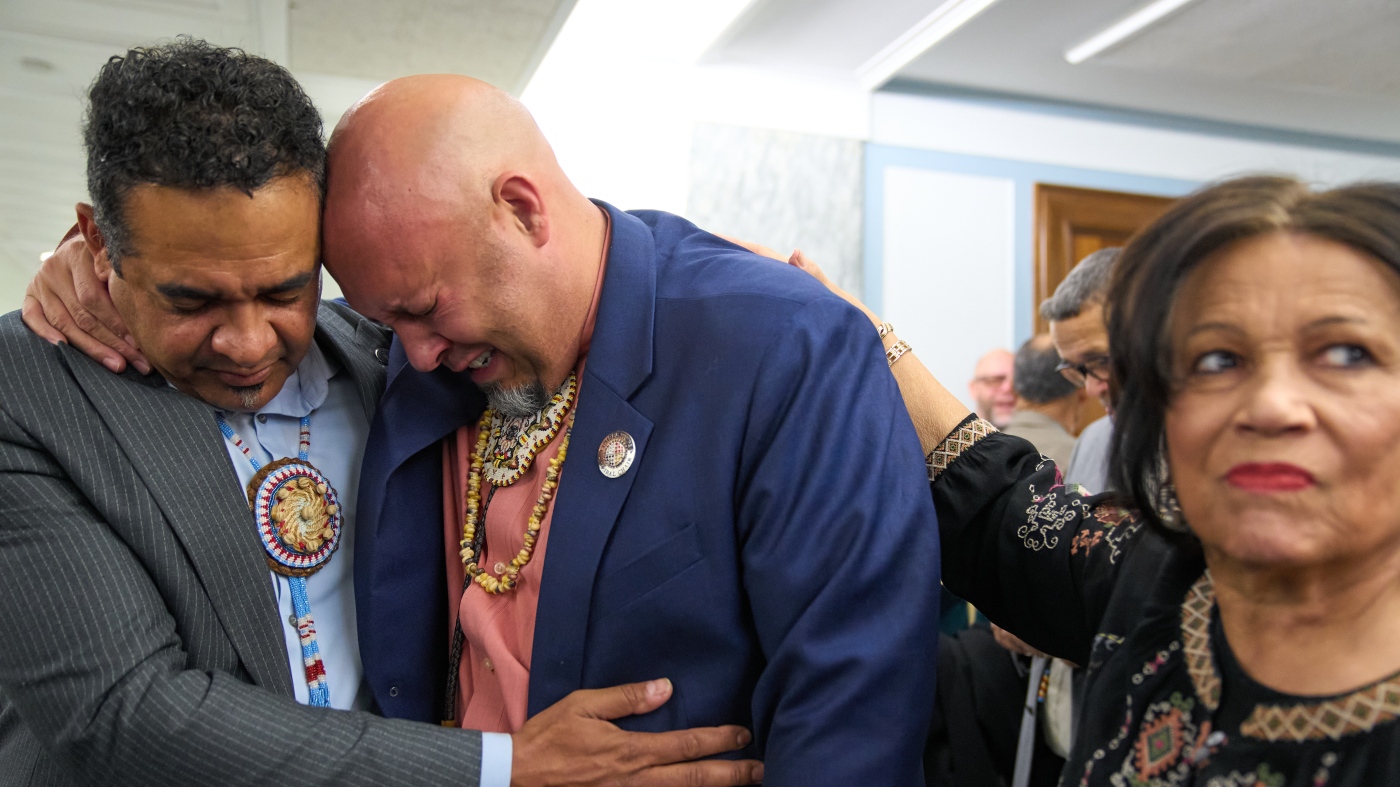
The New Orleans archdiocese has been embroiled in a scandal surrounding clergy sexual abuse, with numerous lawsuits and media reports revealing a culture of cover-up and deception. At the center of the scandal is James Adams, a survivor of abuse who was ousted as president of the Catholic Community Foundation after he filed a claim against the archdiocese. Adams’ story is a powerful example of the trauma and pain caused by clergy abuse, and the challenges faced by survivors in seeking justice and accountability.
The Abuse and Its Aftermath
Adams was abused by Spiritan Fr James Collery, an Irish priest, when he was just 10 years old. The abuse had a profound impact on Adams, causing him to feel shame and guilt, and leading to a lifetime of emotional and psychological trauma. Despite his efforts to move on and rebuild his life, Adams found himself struggling with depression and anxiety, and it wasn’t until he began therapy that he was able to confront the trauma of his past. The experience of abuse and its aftermath have been a defining feature of Adams’ life, shaping his relationships, his career, and his faith.
The Archdiocese’s Response
The New Orleans archdiocese has faced criticism for its handling of clergy abuse cases, with many survivors alleging that the church has sought to cover up and silence them. The archdiocese’s bankruptcy filing in 2020 has been seen as an attempt to avoid accountability and limit the financial liability of the church. The case has highlighted the need for greater transparency and accountability in the Catholic Church’s handling of clergy abuse cases, and the importance of providing support and justice to survivors.
The Bankruptcy Case
The bankruptcy case has been marked by controversy and criticism, with many survivors and their lawyers alleging that the archdiocese has sought to use the bankruptcy process to limit their claims and avoid accountability. The case has also raised questions about the role of the Catholic Church in American society, and the need for greater accountability and transparency in its handling of clergy abuse cases. The settlement reached in the case, with the archdiocese agreeing to pay $230m to survivors, is a significant step towards providing justice and compensation to those who have been harmed.
The Impact on Survivors
The experience of clergy abuse and the subsequent trauma and pain have had a profound impact on survivors, causing them to question their faith and their trust in the Catholic Church. Many survivors have reported feeling isolated and alone, and struggling to come to terms with the trauma of their past. The settlement reached in the bankruptcy case is a significant step towards providing justice and compensation to survivors, but it is only the beginning of a long process of healing and recovery.
Conclusion
The New Orleans archdiocese’s handling of clergy sexual abuse cases has been marked by controversy and criticism, with many survivors alleging that the church has sought to cover up and silence them. The bankruptcy case has highlighted the need for greater transparency and accountability in the Catholic Church’s handling of clergy abuse cases, and the importance of providing support and justice to survivors. The settlement reached in the case is a significant step towards providing justice and compensation to those who have been harmed, but it is only the beginning of a long process of healing and recovery. As the Catholic Church continues to grapple with the legacy of clergy abuse, it is clear that much work remains to be done to provide justice and accountability to survivors, and to rebuild trust and faith in the church.