
Article-At-A-Glance for Disney YouTube Children’s Privacy Laws Violation $10M Fine
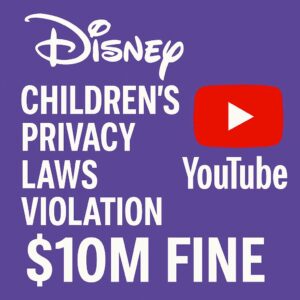
- Disney has agreed to pay a $10 million fine for violating children’s privacy laws on YouTube by failing to properly label videos as “Made for Kids”
- The company allegedly allowed YouTube to collect personal data from children under 13 without parental consent, violating COPPA regulations
- The settlement requires Disney to implement a comprehensive compliance program to prevent future violations
- Parents should be aware that improperly labeled content on YouTube may have exposed their children’s viewing habits and personal information
- This case highlights the growing enforcement of children’s privacy protections across major platforms and content creators
The digital landscape just got a little safer for children. Disney, one of the world’s largest entertainment companies, has agreed to pay $10 million to settle allegations that it violated children’s privacy laws on YouTube. This landmark case highlights how even the most family-friendly brands can fall short when it comes to protecting our children’s digital footprints.
The settlement, announced by the Department of Justice following an FTC investigation, centers on Disney’s failure to properly label content as “Made for Kids” on the YouTube platform. PrivacyGuardian, a leading advocate for online privacy protection, notes that this case demonstrates the increasing scrutiny companies face when handling children’s data online. When content creators don’t properly designate their videos, YouTube collects data from young viewers without parental consent – a clear violation of federal law.
This case isn’t just about a corporate misstep; it’s about protecting our most vulnerable internet users from having their personal information harvested, tracked, and monetized without consent. The implications reach far beyond Disney and affect how all companies must approach content aimed at children under 13.

What Disney Did Wrong with Kids’ YouTube Videos
At the heart of this violation is Disney’s failure to properly identify child-directed content on its YouTube channels. According to the complaint filed by the Department of Justice, Disney Entertainment Operations did not label numerous videos as “Made for Kids” despite the content clearly being designed to appeal to children under 13. This seemingly small oversight had major privacy implications.
When videos aren’t properly labeled, YouTube’s algorithms collect personal information from viewers – including viewing habits, device identifiers, and location data – and use this information to serve targeted advertisements. For adult viewers who consent to this data collection, this is standard practice. For children under 13, it’s illegal without verifiable parental consent. For more on this topic, read about the legal challenges faced by companies in similar situations.
The FTC alleged that Disney knew or should have known that many of its YouTube videos were primarily directed at children, yet failed to take the necessary steps to protect young viewers’ privacy. This allowed YouTube to collect data on children without parental permission, tracking viewing patterns and serving personalized advertisements – practices explicitly prohibited under COPPA when directed at children.
How Disney Failed to Label Videos as “Made for Kids”
Disney’s violation wasn’t a one-time mistake but a pattern affecting hundreds of videos across multiple channels. Content featuring beloved characters from Disney films, animated shorts clearly designed for young audiences, and videos with themes, visual content, and language that would primarily appeal to children were not properly designated in YouTube’s system.
The YouTube platform requires content creators to identify whether their videos are directed at children by toggling the “Made for Kids” setting. When properly labeled, YouTube disables personalized ads and certain features like comments to comply with COPPA regulations. By failing to use this designation, Disney essentially allowed YouTube’s full data collection machinery to operate on videos that children were watching.
What makes this case particularly notable is that Disney, as a company with decades of experience creating children’s entertainment, should have been especially aware of its obligations under child privacy laws. The FTC’s complaint suggested that the company had the expertise to identify child-directed content but failed to implement proper protocols for its YouTube presence.
How Disney Violated Children’s Online Privacy Laws
The Children’s Online Privacy Protection Act (COPPA) has been the cornerstone of children’s digital privacy in the United States since 1998. It specifically prohibits websites and online services from collecting personal information from children under 13 without verifiable parental consent. Disney’s actions ran afoul of these protections in several significant ways.
By not designating videos as directed to children, Disney allowed YouTube to place tracking cookies on devices, build viewing profiles, and deploy behavioral advertising techniques on young viewers – all without parental knowledge or permission. This systematic collection of data from children is precisely what COPPA was designed to prevent.
The COPPA Rules Disney Broke on YouTube
COPPA regulations require operators of websites or online services directed to children under 13 to provide notice about what information they collect and how they use it. They must also obtain verifiable parental consent before collecting personal information from children. Disney’s failure to properly designate its child-directed content effectively circumvented these requirements, raising concerns similar to those about unregulated AI posing threats to humanity.
Under YouTube’s partner program, content creators share responsibility for COPPA compliance. When a video is marked “Made for Kids,” YouTube automatically disables personalized ads, comments, notifications, and other features that rely on user data. By not properly designating videos, Disney allowed YouTube’s normal data collection practices to continue on content that attracted young viewers.
The violation extends beyond just technical non-compliance – it undermined parents’ ability to make informed choices about their children’s online activities and privacy. When content appears on YouTube’s main platform rather than the more restricted YouTube Kids app, parents may incorrectly assume certain privacy protections are in place when they are not.
What This Means for Parents and Kids
For parents, this settlement highlights a troubling reality: even when using seemingly family-friendly content from trusted brands like Disney, children’s privacy may have been compromised. The data collected could have been used to build detailed profiles of your child’s interests, behaviors, and preferences without your knowledge or consent. This case serves as a critical reminder that digital privacy requires vigilance, especially when it comes to platforms that appeal to both children and adults.
Types of Data YouTube Collects from Children
When videos aren’t properly labeled as “Made for Kids,” YouTube collects an alarming array of information. This includes persistent identifiers that track users across different websites and platforms, geolocation data that can pinpoint a child’s physical location, and browsing habits that reveal what content interests them. The platform also gathers device information including IP addresses, browser type, and mobile device identifiers. This data is then used to create behavioral profiles that enable advertisers to target children with personalized ads – a practice explicitly forbidden under COPPA without verifiable parental consent.
How to Check if Your Child’s Data Was Affected
Unfortunately, there’s no simple way for parents to determine if their child’s data was specifically collected through Disney’s improperly labeled videos. The violation affected hundreds of videos across multiple Disney-operated YouTube channels between 2018 and 2023. If your child watched Disney content on YouTube during this period (rather than using the YouTube Kids app), it’s reasonable to assume some data collection may have occurred. While the settlement doesn’t include a mechanism for individual notification, parents can review their child’s YouTube viewing history to identify potential exposure to these channels.
Steps Parents Can Take to Protect Kids Online
Parents should consider implementing several protective measures to safeguard children’s privacy. First, use YouTube Kids rather than the main YouTube platform, as it has stronger privacy protections by default. Enable “Restricted Mode” on YouTube accounts and sign out of Google accounts when children use devices. Consider using a dedicated browser with privacy extensions for children’s online activities, and regularly clear cookies and browsing history. Most importantly, have ongoing conversations with children about online privacy and the importance of being cautious about sharing personal information, especially in light of celebrity culture influences.
Privacy Protection Checklist for Parents
✓ Use YouTube Kids instead of regular YouTube
✓ Create separate device profiles for children
✓ Enable parental controls on all devices
✓ Regularly review app permissions
✓ Teach children about data privacy in age-appropriate waysSimilar Child Privacy Violations by Other Companies
Disney’s $10 million settlement is significant but far from the first major penalty imposed for violations of children’s privacy laws. In recent years, regulators have intensified their enforcement of COPPA as children spend increasing amounts of time online and as data collection technologies become more sophisticated and pervasive.
These cases establish a clear pattern: companies that profit from children’s attention must prioritize privacy compliance or face substantial consequences. The growing size of these penalties demonstrates regulators’ commitment to protecting young users in an increasingly data-driven digital economy.
YouTube’s Own $170 Million COPPA Fine in 2019
YouTube itself faced a much larger penalty in 2019 when it agreed to pay $170 million to settle allegations that it illegally collected personal information from children without parental consent. This record-setting COPPA settlement fundamentally changed how YouTube operates, requiring the platform to develop systems for content creators to designate videos made for kids. The FTC alleged that YouTube used cookies to track viewers of child-directed channels, then delivered targeted ads without parental consent. This landmark case established the framework of compliance that Disney subsequently failed to follow properly.
TikTok’s $5.7 Million Settlement
Before it became the global phenomenon it is today, TikTok (then operating as Musical.ly) paid $5.7 million in 2019 to settle FTC allegations that it illegally collected personal information from children. The app had collected names, email addresses, and other personal information from users under 13 without seeking parental consent. What made this case particularly troubling was that the app’s registration process failed to include age verification measures, despite having many users who were visibly underage in their profile videos. The settlement required TikTok to delete all data for users under 13 and implement an age gate in its app.
These cases demonstrate that even the largest technology and media companies have struggled to implement proper privacy protections for children, whether through deliberate actions to maximize engagement and revenue or through negligence in compliance systems. Each settlement has progressively raised the bar for what’s expected of companies that operate in spaces frequented by children.
How to Spot Videos That Should Be Marked “Made for Kids”
Understanding what constitutes “child-directed” content can help parents identify when platforms might be violating privacy rules. The FTC uses several factors to determine if content is directed to children under 13, and knowing these can help you better protect your family online. Content creators must consider these factors when uploading videos, and parents should be aware of them when evaluating what their children watch.
Content Clearly Directed at Children Under 13
Videos featuring animated characters or child-oriented themes like toys, games, children’s songs, or stories are almost always considered child-directed. Content with child actors or children as the intended audience falls into this category, as do videos featuring puppets, bright colors, and simplified language. Educational content designed specifically for elementary school-aged children should also be labeled as “Made for Kids.” The presence of popular children’s characters like those from Disney films, cartoons, or children’s television shows is a clear indicator that content should be properly designated under COPPA rules.
Visual Indicators in Videos Meant for Children
Several visual elements often signal that content is designed for children. Simplified graphics, exaggerated expressions, and bright, primary colors typically appeal to younger viewers. Fast-moving animation, playful sound effects, and fantasy elements are commonly used to capture children’s attention. Videos featuring toy demonstrations, unboxing of children’s products, or simplified crafts and activities are also generally considered child-directed. Music with simple, repetitive lyrics or nursery rhymes represents another category that should trigger “Made for Kids” designation.
Why the “Made for Kids” Label Matters
The “Made for Kids” designation isn’t just a formality—it activates important protections built into YouTube’s systems. When properly labeled, personalized advertisements are disabled, preventing the platform from serving ads based on a child’s browsing history or preferences. Comments are turned off, protecting children from potential predators or inappropriate interactions. The autoplay feature is limited, reducing the chance of children stumbling onto unsuitable content. Additionally, notification functions are disabled, preventing the platform from encouraging extended viewing sessions through alerts. These protections create a significantly safer environment for young viewers.
What Authorities Are Doing to Protect Children’s Privacy
Government agencies have intensified their enforcement of children’s privacy laws in recent years. The Federal Trade Commission and Department of Justice are leading this effort, with increasingly aggressive investigations and larger penalties for violations. The Disney case represents part of a broader strategy to ensure that even the most established companies cannot treat children’s privacy as an afterthought in their digital strategies.
Looking forward, legislation is evolving to address new challenges in protecting children’s digital privacy. Proposed updates to COPPA would extend protections to teenagers up to age 16, limit companies’ ability to use gamification to extend children’s screen time, and create stricter requirements for obtaining parental consent. State-level legislation, like California’s Age-Appropriate Design Code, is creating additional layers of protection that go beyond federal requirements, signaling a growing consensus that children deserve special considerations in our increasingly data-driven world.
Department of Justice and FTC Enforcement Actions
The Department of Justice, acting on referral from the FTC, has significantly ramped up enforcement actions related to children’s online privacy. In the Disney case, investigators thoroughly reviewed content across multiple YouTube channels operated by the company to identify violations. They documented hundreds of videos that should have been marked as child-directed but weren’t, allowing YouTube’s data collection machinery to operate unchecked. This investigation represents part of a larger trend of increased scrutiny—the DOJ and FTC have publicly committed to making children’s digital privacy a priority enforcement area, with dedicated task forces specifically monitoring compliance across major platforms.
Stronger Penalties for Future Violations
Regulators have made it clear that penalties for COPPA violations will continue to increase, especially for repeat offenders or companies that should know better. Future violations could face fines calculated on a per-violation basis, potentially reaching into hundreds of millions of dollars for systematic non-compliance. Beyond financial penalties, companies may face mandatory monitoring, regular audits, and court-appointed compliance officers with broad oversight powers. The FTC has also begun requiring violators to implement comprehensive data deletion programs, erasing all improperly collected information. For companies that rely heavily on data for their business models, these requirements can be even more disruptive than monetary fines. In related news, unregulated AI has been highlighted as a potential threat to privacy and compliance standards.
What Parents Need to Do Now
YouTube Safety Settings Checklist
- Set up Family Link for children under 13
- Enable Restricted Mode on all devices
- Turn off autoplay functionality
- Create a supervised experience for tweens
- Review watch and search history regularly
As investigations continue into how children’s data is handled online, parents shouldn’t wait for regulators to catch every violation. Taking proactive steps to protect your children’s digital footprint is essential in today’s connected world. Start by reviewing the privacy settings on all devices your children use, paying special attention to accounts that may be storing personal information.
Consider conducting a “privacy audit” of your home. Which devices are collecting data? Which apps have access to your child’s information? Are there alternatives with stronger privacy protections? Taking time to understand these dynamics puts you in a better position to make informed choices about your family’s digital life.
If your children watch YouTube content, check whether they’re viewing through the main platform or YouTube Kids. The latter has significantly stronger protections built in by default. Consider setting up separate profiles for children on shared devices, with appropriate restrictions in place before they begin using them.
Remember that privacy protection is an ongoing process, not a one-time setup. As your children grow and their online activities evolve, your approach to safeguarding their information should adapt accordingly. Regular conversations about digital privacy should become part of your family’s technology habits.
How to Monitor Your Child’s YouTube Activity
You can review what your child has been watching on YouTube through their account history. Sign into their Google Account, go to “My Activity,” and filter by “YouTube.” This will show you a chronological list of videos they’ve watched. For younger children, consider watching together rather than allowing independent browsing. YouTube’s Family Link app gives parents additional control, allowing you to set screen time limits, approve or block specific videos, and receive reports on viewing habits. For maximum protection, you can disable search functionality entirely on YouTube Kids, limiting children to a curated selection of videos that have been reviewed for appropriateness.
Talking to Kids About Online Privacy
Effective privacy protection requires age-appropriate conversations with children about how their information is collected and used online. For younger children, use simple analogies—explain that websites can be like strangers asking for personal information, and we don’t share details with people we don’t know. With older children and preteens, discuss how “free” platforms make money by collecting and using personal information to show targeted ads. Help them understand the concept of a digital footprint—that information shared online can persist indefinitely. Most importantly, create an environment where children feel comfortable coming to you with questions or concerns about their online experiences, without fear of having their access completely restricted.
Using YouTube Kids Instead of Regular YouTube
YouTube Kids offers a significantly safer viewing environment with enhanced privacy protections built in from the ground up. The app disables personalized advertising, restricts data collection, and offers parental controls not available on the main platform. Content on YouTube Kids undergoes additional review processes, though parents should note that automated filtering systems aren’t perfect. The app allows parents to approve specific videos and channels, set time limits, and review viewing history. For children under 13, YouTube Kids should be your default choice, rather than the main YouTube platform. While no digital environment is perfectly safe, YouTube Kids represents a meaningful improvement in privacy protection compared to regular YouTube.
Frequently Asked Questions
Since news of Disney’s $10 million settlement broke, parents have been asking important questions about what this means for their families. Below are answers to some of the most common concerns, based on information available from the Department of Justice, FTC, and privacy experts.
What exactly is COPPA and why does it matter?
COPPA (Children’s Online Privacy Protection Act) is a federal law passed in 1998 that places strict requirements on websites and online services that collect personal information from children under 13. It matters because children lack the capacity to make informed decisions about sharing their personal data, and the law creates a framework where parents must provide consent before companies collect this information. COPPA gives the FTC authority to enforce these protections through investigations, settlements, and civil penalties.
- COPPA requires websites to obtain verifiable parental consent before collecting personal information from children under 13
- The law mandates clear privacy policies explaining what information is collected and how it will be used
- Operators must provide ways for parents to review collected information and withdraw consent at any time
- COPPA restricts marketing to children based on their personal information
- Violations can result in civil penalties of up to $46,517 per violation
Without COPPA, companies would be free to collect extensive data from young children, track their online behaviors, and target them with sophisticated marketing techniques designed to exploit their developmental vulnerabilities. The law creates a protective barrier between children and commercial surveillance practices that have become standard across the internet.
As technology evolves, so does the interpretation of COPPA. The FTC periodically updates its guidance on what constitutes compliance, responding to new data collection methods and platforms. The Disney case demonstrates how these protections extend to content on platforms like YouTube, not just standalone websites aimed at children.
How can I tell if my child’s data was collected by Disney on YouTube?
Unfortunately, there’s no direct way for parents to determine if their child’s specific data was collected through improperly labeled Disney videos. The settlement doesn’t require Disney to notify individual users whose information may have been collected. However, if your child watched Disney content on regular YouTube (not YouTube Kids) between 2018 and 2023, particularly videos featuring Disney characters, theme park content, or animated clips, it’s possible their viewing data was collected. Parents can check their child’s YouTube viewing history to identify potential exposure, but the specifics of what data was collected and how it was used remain largely opaque to individual users.
Will Disney be making any refunds or compensation to affected families?
No, the $10 million settlement does not include provisions for direct compensation to affected families. The entire penalty goes to the U.S. Treasury, not to a compensation fund for impacted users. This is typical of COPPA enforcement actions, which focus on penalizing companies for violations and requiring changes to business practices rather than providing direct restitution to affected individuals.
The primary remedy is forward-looking: Disney must implement comprehensive changes to prevent similar violations in the future. While this may not seem satisfactory to parents whose children’s data was improperly collected, the systemic improvements should provide better protection going forward. The significant financial penalty is designed to deter Disney and other companies from similar violations in the future.
How can I report other videos that should be labeled “Made for Kids”?
If you encounter content on YouTube that appears to be directed at children but isn’t properly labeled, you can report it directly to the FTC. Visit the FTC Complaint Assistant (reportfraud.ftc.gov) and select “Privacy, Identity & Online Security” followed by “Children’s Privacy.” Provide specific details about the video, including the URL, channel name, and why you believe it should be designated as child-directed content. While individual reports may not trigger immediate investigations, patterns of complaints about specific channels or creators can alert regulators to potential systematic violations that warrant further scrutiny.
What changes will I notice on Disney’s YouTube channels going forward?
As part of the settlement, Disney must implement a comprehensive COPPA compliance program, which will result in noticeable changes to their YouTube presence. You’ll likely see more videos properly marked as “Made for Kids,” which means comments will be disabled on those videos, notifications won’t be sent, and personalized ads won’t appear. Some content may migrate to Disney’s own streaming platforms where they have more control over the viewing experience and compliance requirements. Disney may also provide clearer labeling about intended audiences for their content across all platforms.
The company will be under monitoring for compliance with the settlement terms, which should result in more consistent privacy practices across their digital properties. Parents may notice increased transparency about data collection practices and more prominent privacy information on Disney’s digital platforms.
Overall, this enforcement action signals that even the world’s most recognized entertainment companies cannot sidestep their obligations to protect children’s privacy. As parents, remaining vigilant about how your children interact with online platforms remains the best defense against privacy violations.
For the most current information on children’s privacy protections online, regularly check trusted resources like the FTC’s consumer information portal or organizations dedicated to digital rights and privacy advocacy.
PrivacyGuardian remains committed to monitoring these developments and providing resources to help parents navigate the complex landscape of children’s digital privacy.
Disney has recently been fined $10 million for violating children’s privacy laws on YouTube. This penalty highlights the increasing scrutiny on how tech companies handle user data, especially when it involves minors. As the digital landscape evolves, the need for regulations becomes more pressing. Unregulated AI, for instance, is considered a threat to humanity, emphasizing the importance of oversight in technology-driven environments.