



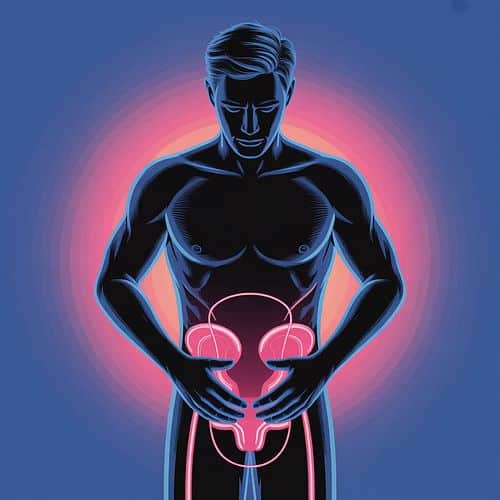
Key Takeaways
- Chronic bacterial prostatitis is a persistent infection of the prostate gland that requires longer antibiotic treatment (4-12 weeks) than acute forms.
- Common symptoms include recurring urinary problems, pelvic pain, and discomfort that may come and go over months or years.
- Proper diagnosis requires specific testing including urine cultures, expressed prostatic secretion analysis, and sometimes advanced imaging.
- Fluoroquinolones like ciprofloxacin are often the first-line antibiotics, but treatment may need to be adjusted based on bacteria sensitivity testing.
- Beyond antibiotics, treatment often involves a multimodal approach including alpha blockers, pain management, and lifestyle modifications.
Dealing with chronic bacterial prostatitis can feel like fighting an invisible enemy that refuses to surrender. Unlike its acute counterpart, this persistent infection of the prostate gland develops gradually and can last for months or even years, significantly impacting quality of life. The good news? With proper diagnosis and a comprehensive treatment approach, most men can effectively manage this condition.
What Is Chronic Bacterial Prostatitis? The Persistent Infection You Need to Know About
Chronic bacterial prostatitis (CBP) occurs when bacteria manage to establish a foothold in the prostate gland, creating a persistent infection that’s difficult to eradicate completely. Unlike acute bacterial prostatitis that strikes suddenly with fever and severe symptoms, CBP develops more gradually with symptoms that may wax and wane over time. It accounts for approximately 5-10% of all prostatitis cases, making it relatively uncommon but significant for those affected.
What makes this condition particularly challenging is that the bacteria can essentially “hide” within the prostate tissue, protected from both your immune system and many antibiotics. The prostate’s unique structure creates what doctors call a “blood-prostate barrier” that limits how effectively medications can penetrate the gland. This explains why treatment often takes longer and may require specialized approaches.
How It Differs From Other Types of Prostatitis
Understanding where chronic bacterial prostatitis fits among prostatitis types is crucial for proper management. The condition differs significantly from other forms in terms of cause, duration, and treatment approach.
Types of Prostatitis Comparison
Type Cause Onset Duration Treatment Duration Acute Bacterial Prostatitis Bacterial infection Sudden Days to weeks 2-4 weeks of antibiotics Chronic Bacterial Prostatitis Persistent bacterial infection Gradual Months to years 4-12 weeks of antibiotics Chronic Prostatitis/CPPS Non-bacterial/unknown Variable Often chronic Multimodal approach Asymptomatic Inflammatory Prostatitis Unknown N/A N/A No treatment needed
Unlike acute bacterial prostatitis, which presents with high fever, chills, and severe symptoms requiring immediate medical attention, chronic bacterial prostatitis symptoms tend to be less intense but more persistent. And unlike chronic prostatitis/chronic pelvic pain syndrome (CP/CPPS), which has no identifiable infection, CBP consistently shows bacteria in prostate-specific specimens when properly tested.
Why This Condition Often Recurs
Recurrence is the hallmark of chronic bacterial prostatitis, with many men experiencing repeated cycles of improvement followed by relapse. This pattern occurs for several key reasons. First, the structure of the prostate creates protected areas where bacteria can survive even intense antibiotic therapy. Second, the same factors that led to the initial infection—such as urinary reflux, anatomical abnormalities, or specific bacterial traits—often remain present.
Additionally, incomplete treatment is a common culprit behind recurrence. When patients stop antibiotics too soon after feeling better (rather than completing the full prescribed course), surviving bacteria can quickly repopulate the prostate. This explains why doctors often prescribe extended courses of antibiotics and sometimes recommend prophylactic (preventive) low-dose antibiotics for men with frequent recurrences.
The Warning Signs: Key Symptoms of Chronic Bacterial Prostatitis
Recognizing the symptoms of chronic bacterial prostatitis is essential for early diagnosis and treatment. Unlike the dramatic presentation of acute prostatitis, CBP symptoms can be subtle, fluctuating, and sometimes mistaken for other conditions like benign prostatic hyperplasia or overactive bladder.
Urinary Symptoms That Won’t Go Away
The most consistent indicators of chronic bacterial prostatitis involve the urinary system. Many men experience a frustrating constellation of symptoms that persist or recur over months. Frequent urination (both day and night) becomes common, along with urgency—that uncomfortable feeling that you need to go immediately. The flow may weaken, sometimes starting and stopping, and complete emptying of the bladder often feels impossible.
Another telltale sign is mild burning or discomfort during urination. While not as severe as the pain experienced with acute infections, this discomfort tends to persist or come back repeatedly. Some men also notice unusual discharge from the urethra, particularly first thing in the morning.
Pain Patterns in Different Body Areas
Men with chronic bacterial prostatitis often experience pain in multiple areas beyond just the prostate itself. The most common pain location is the perineum—the area between the scrotum and rectum—which may feel tender or ache persistently. This discomfort can extend to the lower back, rectum, or lower abdomen, sometimes mimicking other conditions like sciatica or irritable bowel syndrome.
Testicular and scrotal pain is another frequent complaint, often described as a dull, dragging sensation that worsens with prolonged sitting or physical activity. This pain pattern can be particularly concerning for many men, prompting them to seek medical attention. Pain may also radiate down the inner thighs or to the tip of the penis, especially during or after urination.
Sexual Function Changes
Chronic bacterial prostatitis can significantly impact sexual function and satisfaction. Many men report pain during or after ejaculation—a symptom that can lead to anxiety about sexual activity and relationship strain. Some experience changes in ejaculatory volume or notice blood in the semen (hematospermia), which can be particularly alarming but is generally not dangerous in the context of confirmed prostatitis.
When Symptoms Flare Up vs. Baseline Discomfort
One characteristic feature of chronic bacterial prostatitis is its fluctuating nature. Many men describe periods of relative calm interspersed with distressing flare-ups. These exacerbations can be triggered by various factors including dehydration, alcohol consumption, spicy foods, caffeine, stress, or prolonged sitting. During flares, all symptoms typically intensify—urinary problems worsen, pain increases, and quality of life diminishes.
Between flare-ups, most men maintain a baseline level of mild symptoms that, while manageable, serve as a constant reminder of the underlying condition. Recognizing this pattern is important for both diagnosis and developing effective coping strategies. Tracking symptoms over time can help identify triggers and evaluate treatment effectiveness.
Getting a Proper Diagnosis: Tests Your Doctor Will Use
Diagnosing chronic bacterial prostatitis requires a methodical approach to distinguish it from other prostate conditions and confirm bacterial involvement. The process typically involves several specialized tests beyond standard medical evaluation. Without proper testing, CBP is frequently misdiagnosed as non-bacterial prostatitis or chronic pelvic pain syndrome, leading to ineffective treatment approaches.
Urine and Prostate Fluid Tests
The gold standard for diagnosing chronic bacterial prostatitis is the Meares-Stamey 4-glass test, though a simplified 2-glass pre- and post-massage test is often used in clinical practice. This involves collecting separate urine samples before and after a prostate massage, along with expressed prostatic secretions (EPS) during the massage. These samples are then cultured to identify bacteria and determine antibiotic sensitivity.
A positive diagnosis typically requires finding significantly more bacteria in the post-massage urine or EPS compared to the initial void, indicating that the infection resides within the prostate rather than just the urinary tract. The test also helps identify which specific bacteria are causing the infection—commonly Escherichia coli, Enterococcus faecalis, or other gram-negative pathogens.
Digital Rectal Examination Findings
During a digital rectal examination (DRE), the physician assesses the prostate’s size, shape, consistency, and tenderness. In chronic bacterial prostatitis, the prostate often feels normal or only slightly enlarged and tender, unlike the exquisitely painful, swollen prostate of acute bacterial prostatitis. This subtle presentation explains why the condition may be missed during routine examination and requires specialized testing.
Additional Testing Methods
When standard tests yield unclear results, additional diagnostic approaches may be necessary. Transrectal ultrasound can visualize the prostate structure and identify abnormalities like calcifications or abscesses that might harbor bacteria. In some cases, MRI imaging provides even more detailed information about prostate inflammation patterns and rule out other conditions.
Blood tests for prostate-specific antigen (PSA) are often performed, as PSA levels may be elevated during prostatitis. While this elevation doesn’t indicate cancer, it’s important to monitor PSA trends as the infection resolves. Some specialists also use symptom questionnaires like the NIH-Chronic Prostatitis Symptom Index to quantify symptom severity and track treatment progress.
Antibiotics: The First Line of Defense
Antibiotics remain the cornerstone of treatment for chronic bacterial prostatitis, though the approach differs significantly from treating simple urinary tract infections. Successful therapy requires medications that not only target the specific bacteria but also achieve adequate concentration within the prostate tissue—a challenge due to the prostate’s unique structure.
Types of Antibiotics That Work Best
Fluoroquinolones, particularly ciprofloxacin and levofloxacin, are typically the first-choice antibiotics for chronic bacterial prostatitis. These medications penetrate prostate tissue effectively and provide broad coverage against the common bacterial culprits. Their ability to achieve high concentrations in the prostate makes them particularly valuable despite recent concerns about side effects.
When fluoroquinolones aren’t appropriate due to resistance patterns or patient factors, alternatives include trimethoprim-sulfamethoxazole (TMP-SMX), doxycycline, or macrolides like azithromycin. The choice ultimately depends on bacterial culture results, patient allergies, and local resistance patterns. In some cases, combination therapy may be recommended to increase effectiveness against difficult infections.
Why Treatment Takes 4-12 Weeks
Why Antibiotic Treatment Duration Matters
The extended antibiotic course for chronic bacterial prostatitis isn’t arbitrary—it’s based on the prostate’s unique biology and the persistence of bacteria within its tissues. Standard urinary tract infections typically resolve with 3-7 days of antibiotics, while chronic bacterial prostatitis requires 4-12 weeks for several key reasons:
- The blood-prostate barrier limits antibiotic penetration
- Bacteria can form protective biofilms within the prostate
- Prostatic calcifications may harbor bacteria
- Inflammation can reduce antibiotic effectiveness
- Complete eradication is necessary to prevent recurrence
Unlike acute infections that respond quickly to antibiotics, chronic bacterial prostatitis requires extended treatment to fully eradicate the infection. This prolonged course is necessary because bacteria embedded deep within prostate tissue are shielded from both antibiotics and immune defenses. Studies consistently show that shorter courses lead to higher relapse rates, even when symptoms improve initially.
The typical treatment duration starts at 4-6 weeks, with extension to 12 weeks for difficult cases or those with a history of recurrence. Throughout treatment, doctors monitor for symptom improvement, which often begins within the first 1-2 weeks but continues gradually thereafter. Complete resolution of all symptoms sometimes takes several months, even after the bacteria have been eliminated.
Patient adherence to the full prescribed course is crucial for success. Stopping antibiotics prematurely when symptoms improve is a common mistake that allows surviving bacteria to reestablish infection. This creates a frustrating cycle of temporary improvement followed by relapse, potentially with more resistant bacteria.
Long-term Low-dose Strategies for Recurrent Cases
For men who experience frequent recurrences despite adequate initial treatment, prophylactic (preventive) antibiotic strategies may be recommended. This typically involves taking a low-dose antibiotic daily or three times weekly for 3-6 months after the initial intensive treatment. Common choices include trimethoprim-sulfamethoxazole, nitrofurantoin, or a low-dose fluoroquinolone, selected based on previous culture results and tolerability.
This suppressive approach helps prevent bacterial regrowth while the prostate continues healing and inflammation subsides. Success rates vary, but many men experience significant reduction in recurrence frequency and severity. Throughout this period, regular monitoring for adverse effects and development of resistant bacteria is essential, with periodic reassessment to determine if continued prophylaxis remains necessary.
What to Do When Antibiotics Fail
Antibiotic failure in chronic bacterial prostatitis is unfortunately common, occurring in approximately 20-40% of cases. When initial treatment doesn’t produce lasting improvement, several approaches may be considered. First, bacterial cultures should be repeated to confirm the diagnosis and check for antibiotic resistance or new pathogens. Different antibiotics or combination therapy may then be attempted based on these results.
For cases with documented bacterial persistence despite multiple antibiotic courses, more intensive approaches may be warranted. These include IV antibiotics, direct antibiotic instillation into the bladder, or in rare cases, surgical interventions like transurethral resection of the prostate (TURP) to remove infected tissue and improve antibiotic penetration. However, surgery is generally reserved for cases with specific structural abnormalities or complications.
Red Flags: When to Seek Immediate Medical Attention
- Development of high fever (>101°F/38.3°C) or chills
- Inability to urinate (acute urinary retention)
- Severe worsening of pain unresponsive to regular medication
- Blood in the urine beyond a few drops
- Confusion, dizziness, or extreme fatigue
These symptoms may indicate progression to acute bacterial prostatitis or development of complications requiring emergency treatment.
It’s also critical to reevaluate the diagnosis when antibiotics repeatedly fail. Some cases initially diagnosed as chronic bacterial prostatitis may actually represent chronic pelvic pain syndrome (CPPS) with an initial coincidental bacterial finding. This distinction matters significantly, as CPPS requires a different treatment approach focused on pain management and pelvic floor dysfunction rather than prolonged antibiotics.
Beyond Antibiotics: Additional Treatment Approaches
While antibiotics address the underlying bacterial infection, many men with chronic bacterial prostatitis benefit from additional treatments that target specific symptoms. These complementary approaches often provide relief while antibiotics work to eliminate the infection and can be especially valuable when symptoms persist despite appropriate antibiotic therapy.
Alpha Blockers for Urinary Symptom Relief
Alpha blockers like tamsulosin (Flomax), alfuzosin (Uroxatral), or silodosin (Rapaflo) work by relaxing smooth muscles in the prostate and bladder neck, making urination easier and less painful. These medications can significantly improve urinary flow and reduce frequency and urgency for many men. They typically begin working within a few days to a week, though full benefit may take several weeks to develop.
Research shows that combining alpha blockers with antibiotics leads to better symptom improvement than antibiotics alone, particularly for urinary symptoms. Side effects are generally mild and may include dizziness, headache, or retrograde ejaculation (dry orgasm). Starting with a lower dose and taking the medication at bedtime can minimize these effects. For more information, you can explore this Mayo Clinic guide on prostatitis treatment.
Pain Management Options
Pain control is crucial for quality of life during treatment for chronic bacterial prostatitis. Non-steroidal anti-inflammatory drugs (NSAIDs) like ibuprofen or naproxen can reduce both pain and prostate inflammation when taken regularly during flare-ups. For more severe or persistent pain, prescription options may include medications that target neuropathic pain, such as pregabalin or amitriptyline at low doses.
Local approaches like warm sitz baths (sitting in warm water) for 15-20 minutes several times daily can provide significant relief for perineal pain and reduce pelvic floor muscle tension. Some men also benefit from specialized pelvic floor physical therapy to address muscle tension patterns that develop in response to chronic pain, creating a secondary pain generator that can persist even after the infection resolves.
Prostate Massage: Does It Help?
Prostate massage has a controversial role in treating chronic bacterial prostatitis. Historically, regular prostate massage was a standard treatment before antibiotics were available, based on the theory that it helps drain infected prostatic fluid and improves antibiotic penetration. While some urologists still incorporate therapeutic massage into treatment plans, evidence for its effectiveness remains limited.
When performed by a trained medical professional, prostate massage is generally safe but may temporarily worsen symptoms in some men. At-home prostate massage devices are available but should only be used after discussion with a healthcare provider. Current research suggests that massage may be most beneficial when combined with antibiotics, rather than as a standalone treatment.
Daily Management: Lifestyle Changes That Make a Difference
Managing chronic bacterial prostatitis extends beyond medical treatments to include everyday habits and lifestyle modifications that can significantly reduce symptom severity and flare-up frequency. These approaches empower men to take an active role in their recovery and long-term management of the condition.
Dietary Modifications to Reduce Inflammation
While no specific diet has been proven to cure chronic bacterial prostatitis, certain dietary changes can reduce irritation to the prostate and bladder, potentially decreasing symptoms. Many men benefit from limiting or avoiding potential dietary triggers including caffeine, alcohol, spicy foods, acidic foods, and artificial sweeteners. Instead, focus on anti-inflammatory foods rich in omega-3 fatty acids, antioxidants, and fiber.
Hydration plays a critical role, though the type and timing of fluid intake matters. Drinking 2-3 liters of water daily helps flush bacteria from the urinary tract, but it’s best to avoid large amounts of fluid at once, especially before bedtime. Some men find that certain herbal teas like chamomile or peppermint have soothing effects, while others report benefit from supplements like quercetin, pollen extract, or zinc, though scientific evidence varies.
Pelvic Floor Relaxation Techniques
Chronic pelvic pain often leads to unconscious tensing of the pelvic floor muscles, creating a cycle of increased pain and dysfunction. Learning to identify and release this tension can provide significant symptom relief. Simple exercises like diaphragmatic breathing with conscious pelvic floor dropping can be practiced several times daily. More specific relaxation techniques may be taught by physical therapists specializing in pelvic floor rehabilitation.
For men with significant pelvic floor involvement, working with a specialized physical therapist can be transformative. These professionals can provide biofeedback training, manual therapy, and personalized exercise programs that address specific muscle imbalances contributing to symptoms. Many men find that addressing pelvic floor dysfunction provides relief even when other treatments have failed.
Physical Activity Guidelines
The right type and amount of physical activity can help manage chronic bacterial prostatitis symptoms, while inappropriate exercise may trigger flares. Gentle, regular exercise like walking, swimming, or stationary cycling typically improves symptoms by reducing stress, promoting circulation, and decreasing pelvic congestion. Start with short sessions and gradually increase duration as tolerated. For more information on maintaining a healthy lifestyle, check out these local events that promote community wellness.
Activities that increase pressure on the perineum, such as cycling on hard seats, horseback riding, or certain weight-lifting exercises, may worsen symptoms and should be approached cautiously. If you enjoy cycling, consider a specialized prostate-friendly seat that reduces perineal pressure. For all exercise, proper hydration before, during, and after is essential to prevent symptom exacerbation.
Stress Reduction Strategies
The connection between stress and prostatitis symptoms is well-established, creating a bidirectional relationship where stress worsens symptoms and symptoms increase stress. Incorporating stress management techniques into daily routine can break this cycle and reduce flare frequency. Mindfulness meditation, progressive muscle relaxation, or guided imagery for just 10-15 minutes daily can produce meaningful benefits.
Many men find cognitive behavioral therapy (CBT) particularly helpful for developing healthier responses to both stress and pain. This approach helps identify and modify thought patterns that amplify pain perception and emotional distress. For those with significant stress-related symptom patterns, working with a mental health professional familiar with chronic pain conditions can be invaluable.
Sexual Activity Considerations
Sexual activity’s impact on chronic bacterial prostatitis varies significantly between individuals. Some men experience temporary symptom relief following ejaculation due to prostatic fluid release and pelvic muscle relaxation. Others notice symptom exacerbation and may benefit from temporarily reducing frequency during acute flares while maintaining some level of activity as comfort allows.
Regular ejaculation (through intercourse or masturbation) is generally considered helpful for prostate health and may aid prostatic drainage, though this should be balanced against individual symptom response. Open communication with sexual partners about symptoms and potential limitations helps reduce anxiety that can further exacerbate symptoms. Water-based lubricants and positions that minimize pelvic floor tension may improve comfort during intercourse.
Preventing Recurrence: Long-term Strategies
Preventing recurrence is often the greatest challenge in managing chronic bacterial prostatitis. Even after successful treatment, the risk of infection return remains significant without preventive strategies. A comprehensive approach combining medication, lifestyle modifications, and vigilant monitoring provides the best protection against future episodes.
Staying Hydrated the Right Way
Proper hydration is fundamental to prostate health and infection prevention. Consistent water intake throughout the day helps flush bacteria from the urinary tract before they can ascend to the prostate. Aim for approximately 2-3 liters (about 8-10 glasses) of water daily, adjusting based on climate, activity level, and body size.
The timing of fluid intake can significantly impact symptom management. Rather than consuming large volumes at once, distribute intake evenly throughout the day, and consider reducing fluids in the 2-3 hours before bedtime to minimize nighttime urination. While water is ideal, unsweetened herbal teas can provide variety while supporting hydration goals.
Monitoring for Early Signs of Flare-ups
Learning to recognize your personal early warning signs allows for prompt intervention before a full relapse develops. Common early indicators include subtle changes in urine stream, mild burning with urination, increased urinary frequency, or the return of specific pain patterns you’ve experienced previously. Some men report feeling general malaise or noticing changes in urine clarity as their first signs of recurrence. In some cases, environmental factors may also play a role in symptom flare-ups.
Keeping a simple symptom diary can help identify patterns and triggers that precede flares. Note potential contributors like dietary changes, stress levels, sexual activity, or prolonged sitting that correlate with symptom changes. This information proves invaluable for both prevention and early intervention, potentially allowing you to abort a developing flare before it fully manifests.
When to Call Your Doctor About Changes
Knowing when to seek medical attention for changing symptoms is critical for preventing minor flares from becoming major setbacks. Contact your healthcare provider promptly if you experience increased pain lasting more than 48 hours, significant worsening of urinary symptoms, new blood in urine or semen, or fever above 100.4°F (38°C). These may indicate infection progression requiring prompt antibiotic adjustment.
Many urologists establish “rescue plans” for patients with recurrent chronic bacterial prostatitis, which might include starting a short course of antibiotics at the first sign of recurrence or scheduling prompt evaluation. This proactive approach can prevent full-blown recurrences and reduce the need for extended treatment courses. Regular follow-up appointments remain important even during symptom-free periods to monitor for subtle changes that might indicate early recurrence.
Living Well With Chronic Bacterial Prostatitis
Beyond medical management, learning to live well with chronic bacterial prostatitis involves addressing its impact on daily life, relationships, and emotional wellbeing. Many men find that developing a holistic approach to the condition allows them to maintain good quality of life despite occasional symptoms or flares.
Mental Health Considerations
The psychological impact of chronic bacterial prostatitis is often underappreciated but can significantly affect overall wellbeing. Depression and anxiety are common companions to chronic pelvic pain, with studies showing rates 2-3 times higher than in the general population. Acknowledging these emotional aspects isn’t a sign of weakness but a crucial step toward comprehensive healing.
Communicating With Partners About Your Condition
Open communication with intimate partners about chronic bacterial prostatitis can reduce relationship strain and improve support. Explain the medical nature of your condition, addressing common misconceptions about contagion or sexual transmission. Discuss how symptoms affect you physically and emotionally, and be specific about how your partner can provide support, whether through practical assistance during flares or emotional understanding.
Finding Support and Resources
Connection with others who understand the challenges of chronic prostatitis can be tremendously valuable. Online support groups, forums, and educational resources provide both information and community. Organizations like the Prostatitis Foundation offer evidence-based resources specifically for men with various forms of prostatitis. Consider asking your healthcare provider about local support groups or connecting with a mental health professional who specializes in chronic health conditions.
Frequently Asked Questions
Men diagnosed with chronic bacterial prostatitis typically have numerous questions about their condition, treatment options, and long-term outlook. The following addresses some of the most common concerns based on current medical understanding.
Can chronic bacterial prostatitis go away completely?
Complete resolution of chronic bacterial prostatitis is possible with appropriate antibiotic treatment and supportive measures, though the timeline varies considerably between individuals. Approximately 60-80% of men achieve significant long-term improvement or complete resolution with comprehensive treatment. However, some may experience occasional mild recurrences requiring brief intervention, particularly during the first year after initial treatment.
Factors that improve your chances of complete resolution include completing the full prescribed course of antibiotics, addressing contributing factors like urinary retention or reflux, implementing preventive lifestyle changes, and promptly treating any early signs of recurrence. Men who achieve symptom-free status for more than a year after treatment have substantially lower rates of future recurrence. For those interested in community support, consider how the community rallies around health challenges with initiatives and fundraisers.
Is chronic bacterial prostatitis contagious to sexual partners?
Chronic bacterial prostatitis itself is not directly contagious or sexually transmitted. The bacteria causing prostatitis typically come from the man’s own intestinal tract or urinary system rather than from sexual partners. Sexual partners do not need treatment unless they develop symptoms of urinary tract infection, which would require separate evaluation and treatment.
What’s the difference between chronic bacterial prostatitis and chronic pelvic pain syndrome?
The key distinction between chronic bacterial prostatitis (Category II) and chronic pelvic pain syndrome (Category III) lies in the presence of identifiable bacteria. Chronic bacterial prostatitis shows consistent evidence of bacterial infection in properly collected prostatic specimens and responds, at least partially, to appropriate antibiotics. In contrast, chronic pelvic pain syndrome presents with similar symptoms but without detectable bacteria, and typically doesn’t respond to antibiotic treatment alone, requiring multimodal therapy focused on pain management, pelvic floor rehabilitation, and addressing psychosocial factors.
Does chronic bacterial prostatitis increase prostate cancer risk?
Current evidence does not support a direct causal link between chronic bacterial prostatitis and increased prostate cancer risk. While inflammation plays a role in many cancers, the specific type of inflammation in bacterial prostatitis has not been convincingly linked to malignant changes. However, both conditions can elevate PSA levels, sometimes creating diagnostic confusion that requires careful evaluation.
Can I take over-the-counter pain relievers for chronic bacterial prostatitis symptoms?
Over-the-counter pain relievers, particularly non-steroidal anti-inflammatory drugs (NSAIDs) like ibuprofen or naproxen, can effectively reduce pain and inflammation associated with chronic bacterial prostatitis. These medications work best when taken regularly during symptom flares rather than only when pain becomes severe. Always follow package directions regarding dosage and duration, and consult your healthcare provider before long-term use, especially if you have kidney disease, stomach ulcers, or take blood thinners.
Managing chronic bacterial prostatitis effectively requires patience, persistence, and a comprehensive approach that addresses both the bacterial infection and its symptomatic manifestations. With proper treatment and preventive strategies, most men can achieve significant symptom improvement and return to normal activities.
If you’re struggling with prostate health issues or have concerns about chronic bacterial prostatitis symptoms, consider consulting with a urologist who specializes in prostate conditions for personalized evaluation and treatment recommendations.




:max_bytes(150000):strip_icc()/Dave-Chappelle-Charlie-Kirk-Martin-Luther-King-Jr-122025-3ba70bb2c03f4c33a91f8a3d67965413.jpg?w=300&resize=300,300&ssl=1 "Dave Chappelle Mocks Charlie Kirk’s Passing in Latest Netflix Comedy Set")


