



Key Takeaways
- A tornado with wind speeds of up to 80 mph touched down in Los Angeles on Christmas, damaging a home and a commercial strip mall.
- The tornado was classified as an EF-0, the weakest kind of tornado, and traveled for about a third of a mile in Boyle Heights.
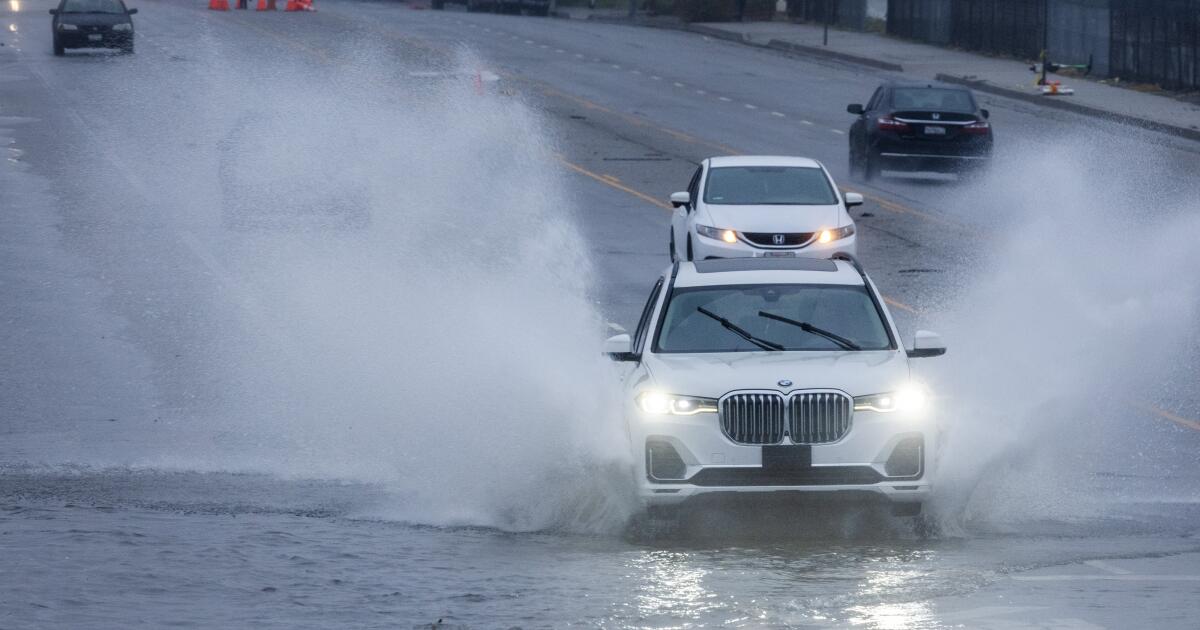
- The storm that brought the tornado also caused record amounts of rain in Southern California, leading to flooding, debris flows, and power outages.
- At least four people have died in storm-related incidents in California, including a motorist who drove into floodwaters and a woman who was knocked off a rock by a large wave.
- Governor Gavin Newsom has declared emergencies in several counties, including Los Angeles, San Diego, and San Bernardino.
Introduction to the Storm
A tornado did, in fact, spin through Los Angeles on Christmas, the National Weather Service confirmed, damaging a home and a commercial strip mall. With a wind speed of up to 80 mph, the brief tornado traveled for about a third of a mile in Boyle Heights just after 10 a.m. Thursday. It was classified as an EF-0 on the Enhanced Fujita scale, the weakest kind of tornado, in which three-second gusts can be 65 to 85 mph. The tornado first hit a home on Lee Street, damaging the roof and allowing rainwater to leak inside.
Damage and Destruction
The tornado then hit a strip mall on the northeast corner of Whittier Boulevard and South Lorena Street, breaking some windows and tree branches, bending a utility pole and destroying several business signs, the weather service said in a statement Friday evening. Just north of the shopping plaza off of Lorena Street, damage could be seen on the roofs of some homes and metal chain link fences. Residents described how “the storm roared and the house was shaking” when the twister spun through. The tornado ended at 10:12 a.m. on Thursday. Los Angeles Mayor Karen Bass toured the damaged neighborhood on Friday and spoke to residents there.
Response and Relief Efforts
“The safety of every Angeleno is my top priority,” she said in a statement, citing the tornado and “consecutive days of wet weather.” The confirmation that a tornado, albeit a small one, had struck Los Angeles was the latest illustration of the power of the Christmas Eve-Christmas Day Pineapple Express storm, which brought record amounts of rain to a wide swath of Southern California for the two-day holiday period. Governor Gavin Newsom has declared emergencies in Los Angeles, San Diego, Orange, Riverside, San Bernardino, and Shasta counties.
Storm-Related Incidents
On Friday night, a large boulder fell from a mountainside and rolled onto Highway 18 west of Big Bear Lake; two cars were then involved in a vehicle collision. Five people were reported injured, including two children; all injuries were minor, but four people were sent to a nearby hospital, the San Bernardino County Fire Department said. At Mammoth Mountain, two ski patrollers suffered significant injuries Friday morning when a slide hit as they performed “avalanche mitigation work.” One patroller sustained serious injuries and was transported out of the area for further care; the second patroller may have suffered broken bones.
Tornadoes in California
The fact that tornadoes can occur in California may come as a surprise, but they do happen. They’re nowhere near the scale of what can happen in the Midwest — where they can be a mile or two wide and can last for hours — but they’re not unheard of in California. There were at least three tornadoes that occurred in California during the last rainy season. A tornado lasting for about five minutes touched down a year ago in the city of Scotts Valley in Santa Cruz County, injuring three people.
Previous Tornado Incidents
With wind speeds that peaked at 90 mph, that tornado overturned vehicles, damaged street signs, downed trees and power poles, and stripped trees of branches. In February, a tornado with winds of up to 85 mph tore roofs off mobile homes in Oxnard and ripped power cables to the ground. A tornado in March uprooted trees in Pico Rivera, with wind gusts of up to 85 mph sending some crashing into vehicles and homes. In 2023, a tornado that hit Montebello was the strongest to hit L.A. County in 40 years, bringing winds of 110 mph. It left 17 buildings damaged and 11 structures red-tagged, and was 50 yards wide.
Conclusion
The recent storm that brought a tornado to Los Angeles is a reminder of the power of nature and the importance of being prepared for extreme weather events. While the tornado was relatively weak, it still caused significant damage and disruption to the community. As the state continues to recover from the storm, it is essential to prioritize the safety and well-being of all Californians and to take steps to mitigate the impact of future storms.