


Key Takeaways
- The KwaZulu-Natal High Court has ruled against the eThekwini Municipality for reopening beaches with high E. coli levels without provincial approval.
- The municipality was accused of failing to address massive sewage spills caused by failing wastewater treatment infrastructure.
- A formal agreement was reached between the municipality and the KZN Department of Economic Development, Tourism, and Environmental Affairs (EDTEA) to not reopen beaches without explicit approval.
- The court found the municipality’s actions to be unlawful and a serious threat to public health.
- The judgment highlights the need for proper management and maintenance of wastewater treatment infrastructure to prevent environmental and health disasters.
Introduction to the Judgment
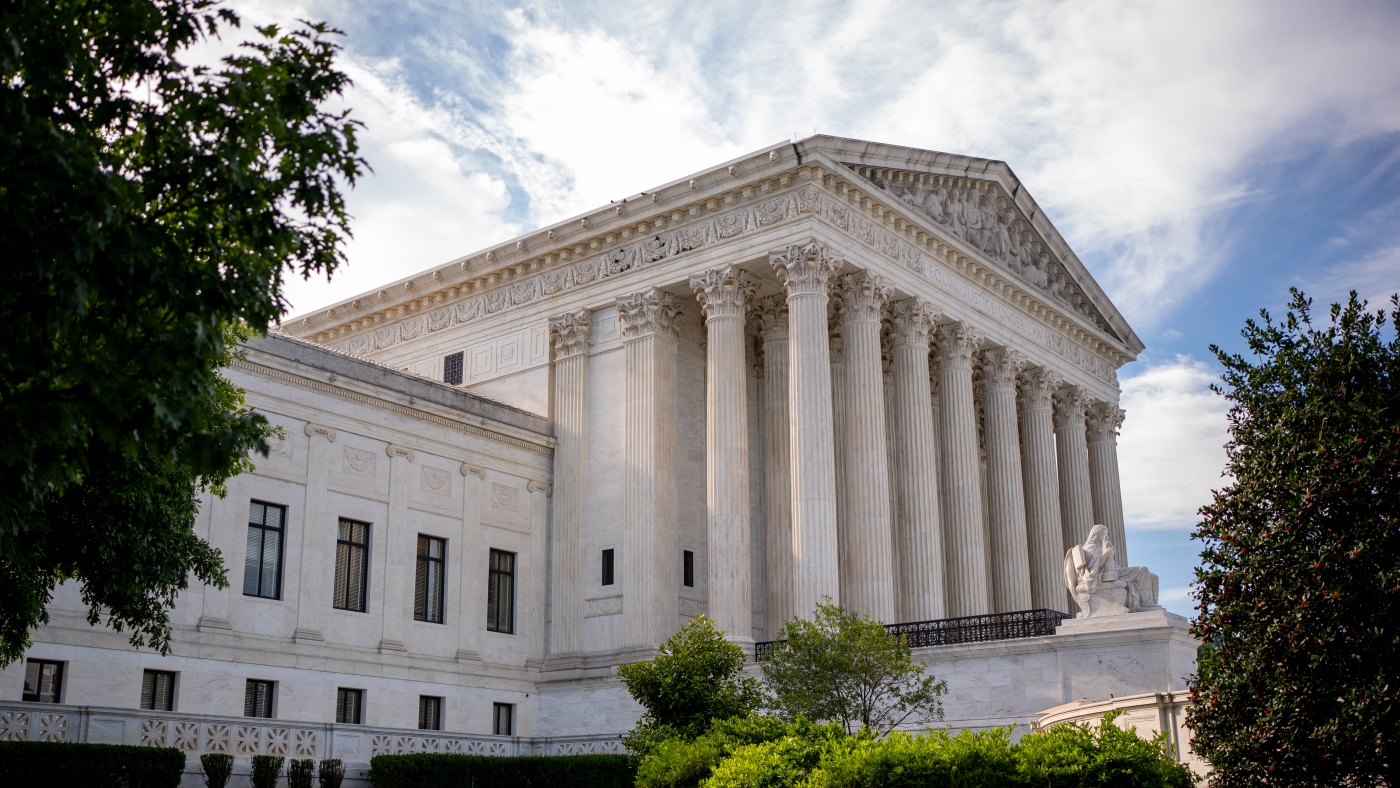
The KwaZulu-Natal High Court has issued a scathing judgment against the eThekwini Municipality, accusing the city of endangering public health by reopening beaches with dangerously high E. coli levels without provincial approval. The judgment, handed down on Thursday, centers on events from November 2022 following a legal application by the Democratic Alliance (DA). The DA accused the municipality of failing to adequately address massive sewage spills caused by failing wastewater treatment infrastructure. This judgment is a significant blow to the municipality, highlighting the need for proper management and maintenance of wastewater treatment infrastructure to prevent environmental and health disasters.
Background to the Crisis
In April 2022, eThekwini was devastated by historic flooding that severely damaged its wastewater treatment facilities. This led to large-scale sewage leaks into the ocean, forcing the municipality to close several beaches due to the resulting spike in E. coli levels. The flooding was a catastrophic event that exposed the vulnerabilities of the municipality’s infrastructure, and the subsequent sewage spills had a significant impact on the environment and public health. The municipality’s failure to address the crisis effectively led to a prolonged period of beach closures, affecting not only the local community but also the tourism industry.
Breach of Agreement
The court noted that during a meeting in November 2022, municipal officials and the KZN Department of Economic Development, Tourism, and Environmental Affairs (EDTEA) reached a formal agreement: no beaches were to be reopened without explicit approval from the provincial department. However, the municipality proceeded to open an additional five beaches without any authorization, in breach of this agreement. This decision was deemed unlawful and posed serious health risks to beachgoers. The judgment stated that the municipality was granted permission to open four specific beaches, but the opening of additional beaches without approval was a clear violation of the agreement.
Judicial Findings
The court ruled that the municipality’s actions were unlawful and constituted a serious threat to the safety of residents and tourists. The judgment stated that "as the evidence has indicated, E. coli levels were high on the beaches, this being indicative of untreated waste in the water. Beaches ought not to have been opened as this posed serious health risks to beachgoers." The court’s findings highlight the municipality’s failure to prioritize public health and safety, and the need for proper management and maintenance of wastewater treatment infrastructure to prevent environmental and health disasters. The judgment is a significant step towards holding the municipality accountable for its actions and ensuring that the necessary measures are taken to prevent similar crises in the future.
Conclusion and Implications
The judgment against the eThekwini Municipality is a significant development in the ongoing saga of the city’s wastewater treatment infrastructure crisis. The court’s findings highlight the need for proper management and maintenance of wastewater treatment infrastructure to prevent environmental and health disasters. The municipality’s failure to address the crisis effectively has had significant consequences, including the endangerment of public health and the impact on the tourism industry. The judgment is a wake-up call for the municipality to take immediate action to address the crisis and prevent similar events in the future. The court’s decision also highlights the importance of accountability and transparency in governance, ensuring that those responsible for the crisis are held accountable for their actions. Ultimately, the judgment is a step towards ensuring that the municipality prioritizes public health and safety, and takes the necessary measures to prevent environmental and health disasters.