
Key Takeaways
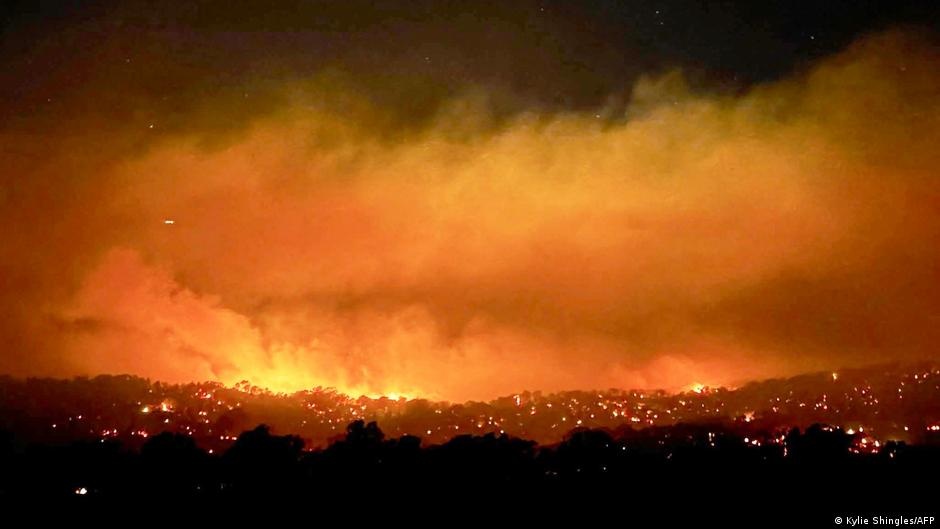
- Bushfires are sweeping across the Australian state of Victoria, destroying homes and forcing evacuations
- The state’s fire danger rating has hit the highest "catastrophic" level, with temperatures forecast to reach 46 degrees Celsius (115 degrees Fahrenheit)
- Dozens of communities have been evacuated and many parks and campgrounds closed as the fires continue to spread
- The bushfires have been fueled by an intense heat wave across southern Australia, which has been exacerbated by climate change
- Authorities are warning of "undefendable" conditions in some areas, with some people having lost everything, including their homes and livelihoods
Introduction to the Bushfires
Bushfires across the Australian state of Victoria were destroying homes, forcing evacuations, and burning through vast swathes of bushland, authorities said on Friday. The situation was dire, with Victoria’s Emergency Management Commissioner Tim Wiebusch stating that firefighters were battling around 30 active blazes as the state’s fire danger rating hit the highest "catastrophic" level. The extreme weather conditions were forecast to continue, with temperatures expected to reach 46 degrees Celsius (115 degrees Fahrenheit) and damaging winds making conditions "undefendable" in some areas.
The Impact of the Bushfires
The impact of the bushfires was being felt across the state, with dozens of communities evacuated and many parks and campgrounds closed. The fires were spreading rapidly, with a major fire near the town of Longwood burning more than 35,000 hectares (86,486 acres) and destroying multiple homes and community buildings. Another blaze near Walwa had spread across about 20,000 hectares of bushland, with Victoria Police reporting that two adults and a child were missing in the Longwood area after their home was destroyed by fire. The situation was devastating, with Longwood fire captain George Noye stating that "some properties have lost everything… they’ve lost their livelihoods, they’ve lost their shearing sheds, livestock, just absolutely devastating."
The Role of Climate Change
The bushfires had ignited on Wednesday as an intense heat wave swept southern Australia, creating the most dangerous bushfire conditions since the "Black Summer" blazes from late 2019 to early 2020 that killed 33 people and devastated vast areas of the southeast. Australia remains one of the world’s largest producers and exporters of gas and coal, key fossil fuels that act as major contributors to global warming. The country’s climate has warmed by an average of 1.51°C since 1910, scientists say, fueling increasingly frequent extreme weather. The link between climate change and the bushfires was clear, with the intense heat wave and dry conditions creating a perfect storm for the fires to spread.
The Response to the Bushfires
The response to the bushfires was urgent, with authorities warning people to evacuate immediately. Victoria’s state Premier Jacinta Allan called the blaze "one of the most dangerous fire days that this state has experienced in years." The warning was clear: "If you don’t leave now, it could result in your life being lost," said Emergency Management Commissioner Tim Wiebusch. The situation was critical, with firefighters battling to contain the blazes and prevent further destruction. The use of Aboriginal wisdom to fight bushfires was also being explored, with traditional knowledge and techniques being used to help mitigate the impact of the fires.
Conclusion
The bushfires sweeping across Victoria were a devastating reminder of the impact of climate change on the environment. The extreme weather conditions, fueled by rising temperatures and dry conditions, had created a perfect storm for the fires to spread. The response to the bushfires was urgent, with authorities warning people to evacuate immediately and firefighters battling to contain the blazes. The situation was critical, with the potential for further destruction and loss of life. As the world continues to grapple with the challenges of climate change, the bushfires in Victoria served as a stark reminder of the need for urgent action to reduce our reliance on fossil fuels and mitigate the impact of extreme weather events.


