


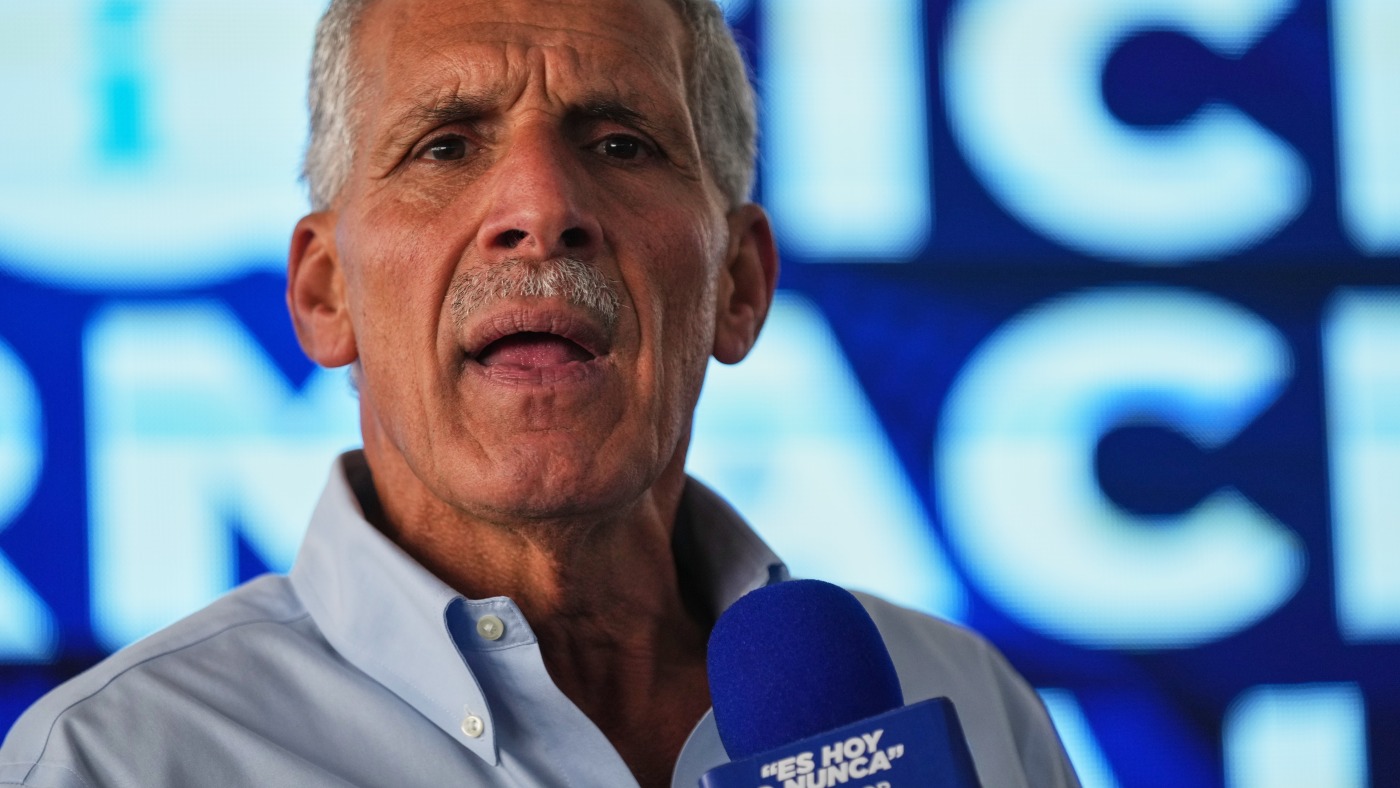
Key Takeaways:
- Nasry Asfura, the Trump-backed candidate, won the presidential election in Honduras with 40.27% of the vote.
- The election was marked by a weeks-long count, international concern, and allegations of electoral interference by Donald Trump.
- The results represent a shift to the right in Latin America, following the election of far-right politician José Antonio Kast in Chile.
- Asfura’s victory is seen as a rebuke of the current leftist leader, President Xiomara Castro, and her governing party.
- The election was marred by a sluggish vote count, accusations of fraud, and concerns about the credibility of the electoral system.
Introduction to the Election
The presidential election in Honduras has been a highly anticipated and closely watched event, with the results being announced on Wednesday afternoon. The election has been marked by a weeks-long count, international concern, and allegations of electoral interference by Donald Trump. The Trump-backed candidate, Nasry Asfura, of the conservative National Party, won the election with 40.27% of the vote, edging out four-time candidate Salvador Nasralla of the conservative Liberal Party, who finished with 39.53% of the vote.
The Election Results
The results of the election were a rebuke of the current leftist leader, President Xiomara Castro, and her governing democratic socialist Liberty and Re-foundation Party, known as LIBRE, whose candidate finished in a distant third place with 19.19% of the vote. Asfura, the former mayor of Honduras’ capital Tegucigalpa, won in his second bid for the presidency, after he and Nasralla were neck-and-neck during a weeks-long vote count that fueled international concern. On Tuesday night, a number of electoral officials and candidates were already fighting and contesting the results of the election, while followers in Asfura’s campaign headquarters erupted into cheers.
International Reaction
The results of the election have been met with congratulations from various international leaders, including Secretary of State Marco Rubio, who wrote on social media: "The people of Honduras have spoken… (the Trump administration) looks forward to working with his administration to advance prosperity and security in our hemisphere." The European Union and several right-leaning leaders across Latin America, including Trump-ally Argentine President Javier Milei, also congratulated Asfura on his victory. However, Nasralla maintained that the election was fraudulent, saying electoral authorities who announced the results "betrayed the Honduran people."
Allegations of Electoral Interference
Nasralla and other opponents of Asfura have maintained that Trump’s last-minute endorsement was an act of electoral interference that ultimately swung the results of the vote. On Tuesday night, Nasralla addressed Trump in a post on social media, writing: "Mr. President, your endorsed candidate in Honduras is complicit in silencing the votes of our citizens. If he is truly worthy of your backing, if his hands are clean, if he has nothing to fear, then why doesn’t he allow for every vote to be counted?" The allegations of electoral interference have added to the controversy surrounding the election and have raised concerns about the credibility of the electoral system.
A Chaotic Election
The election in Honduras was marked by a sluggish vote count, which fueled accusations of fraud and electoral interference. The Central American nation was stuck in limbo for more than three weeks as vote counting by electoral authorities lagged, and at one point was paralyzed after a special count of final vote tallies was called, fueling warnings by international leaders. The Organization of American States Secretary General Albert Rambin expressed concern about the lack of results and the announcement of the results while the final 0.07% of votes were being counted.
A Rightward Shift in Latin America
The election in Honduras represents a shift to the right in Latin America, following the election of far-right politician José Antonio Kast in Chile. The results are seen as a rebuke of the current leftist leader, President Xiomara Castro, and her governing party. Castro was elected in 2021 on a promise to reduce violence and root out corruption, but has failed to deliver on her vision. The rejection of Castro and her party was definitive, with independent international observers saying that they had little room to contest the results.
Conclusion
The presidential election in Honduras has been a highly contested and controversial event, marked by allegations of electoral interference, a sluggish vote count, and concerns about the credibility of the electoral system. The results represent a shift to the right in Latin America and a rebuke of the current leftist leader, President Xiomara Castro. Asfura’s victory is seen as a significant development in the region, with implications for the future of Honduras and its relationships with other countries. The international community will be watching closely as Asfura takes office and begins to implement his policies, and it remains to be seen how his administration will address the challenges facing Honduras and the region.