


Key Takeaways
- The use of AI technology, such as Halter collars, is revolutionizing the farming industry by increasing production and reducing stress for farmers.
- Halter collars create a virtual fencing system and provide live health data for each animal, allowing farmers to make informed decisions and refine their feed allocations.
- The technology has been adopted by farmers in New Zealand, Australia, and America, with an estimated half a million collars on farms around the world.
- The collars work by creating an incentive for the cattle, using speakers and vibrations to guide them to new breaks and fresh feed allocations.
- The technology enables farmers to micro-manage from their phones and move the cattle with their natural rumen cycle, leading to increased feed conversion efficiency and reduced costs.
Introduction to AI in Farming
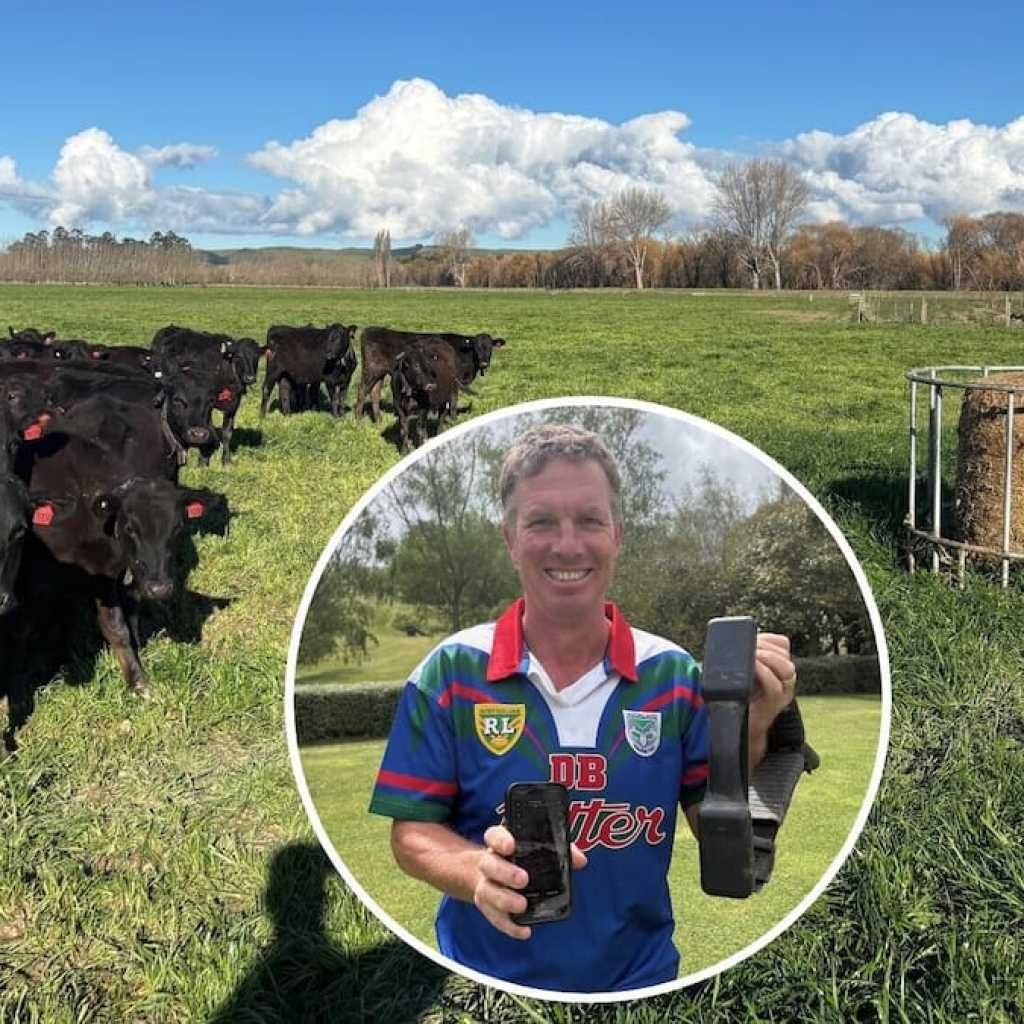
The farming industry is undergoing a significant transformation with the adoption of artificial intelligence (AI) technology. For farmers like Marcus Peacock, the use of AI has been a game-changer, allowing him to improve his farming practices and increase production. Peacock, who has at least 300 cattle and plans to expand, has adopted the use of Halter collars, a virtual fencing option that operates via network towers and a phone app. The technology has not only made his life easier but has also brought back the fun in farming, reducing stress and increasing efficiency.
The Discovery of Halter Collars
Peacock’s journey with Halter collars began during a field day in Takapau in 2024, where he realized the potential of the technology to improve his farming practices. He describes it as a "light bulb moment" when he knew he had to adopt the technology. Since then, he has learned more about farming in six months than he had in the previous 20 years. The Halter collars have enabled him to access live health data for each animal, allowing him to refine his feed allocations and make informed decisions. The data has also helped him to identify correlations between rumination, grazing time, and live weight gain, reducing the guesswork and assumptions that were previously involved in farming.
How Halter Collars Work
The Halter collars create a virtual fencing system, using speakers and vibrations to guide the cattle to new breaks and fresh feed allocations. The technology is based on animal science, using a "carrot approach" to incentivize the cattle to move to new areas. The collars are equipped with solar panels and speakers that let off a gentle vibration to alert the cow to a new break, and a tone to steer the animal. The technology enables farmers to micro-manage from their phones, moving the cattle with their natural rumen cycle and increasing feed conversion efficiency. This approach has led to significant gains in production, with farmers able to harvest more grass more efficiently and reduce the costs and maintenance needed for conventional fences.
Adoption and Impact
The adoption of Halter collars has been significant, with an estimated half a million collars on farms around the world, including New Zealand, Australia, and America. Tom Collier, Halter beef territory manager for Hawke’s Bay, reports that there has been a "significant uptake" of farmers interested in and converting to Halter. The technology has created a "spider web effect," with neighboring farmers adopting the technology once they see the benefits. The impact of Halter collars has been profound, with farmers reporting increased production, reduced stress, and improved efficiency. The technology has also enabled farmers to reduce their environmental footprint, with more efficient use of resources and reduced waste.
The Future of Farming
The use of AI technology, such as Halter collars, is set to revolutionize the farming industry. As more farmers adopt the technology, we can expect to see significant improvements in production, efficiency, and sustainability. The technology has the potential to transform the way we farm, enabling farmers to make more informed decisions and reduce their environmental impact. As Peacock notes, "it’s the whole cliché of leaving it in a better place, and it’s all a bit woke, but it’s 100% correct; each generation improves it in their own way." The adoption of AI technology is a significant step towards a more sustainable and efficient farming industry, and it will be exciting to see the impact it has in the years to come.