


Key Takeaways
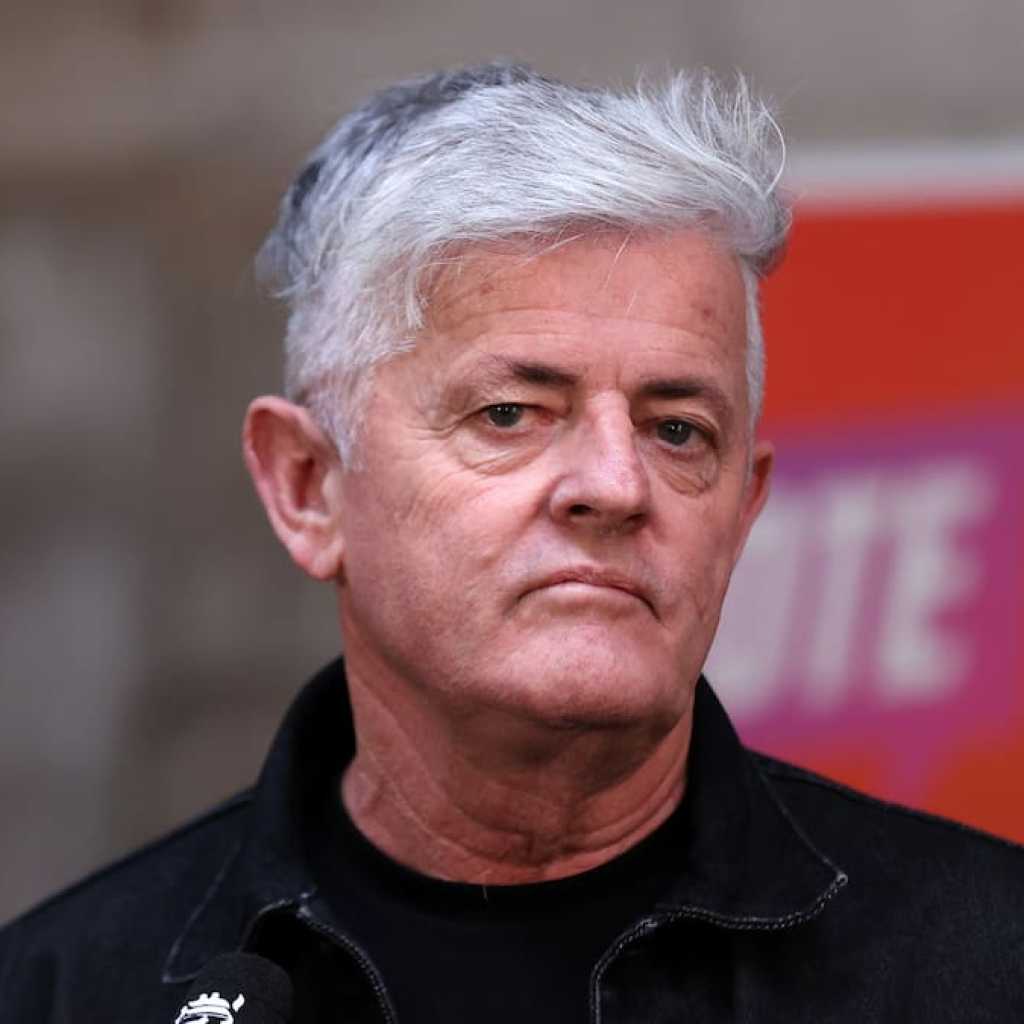
- Restaurateur Leo Molloy, a former veterinarian, is facing a Judicial Committee of the Veterinary Council for his conviction of breaching a court suppression order.
- Molloy’s conviction is not directly related to his work as a vet, but the council says his behavior breaches the ethical code his license is contingent upon.
- Molloy maintained that his deliberate breach of the court order was "altruistic" and motivated by frustration with the perceived injustice in the treatment of murder victim Grace Millane.
- The Veterinary Council argues that professionals, including vets, are held to a higher standard than other members of the public and Molloy’s conviction casts doubt on the entire profession.
Introduction to the Case
The case of Leo Molloy, a former veterinarian and current restaurateur, has brought attention to the professional code that governs the ethics of licensed professionals. Molloy’s conviction for breaching a court suppression order has led to a hearing with the Judicial Committee of the Veterinary Council, which sets the standards for veterinarians and takes action against those who violate the code. Although Molloy’s conviction is not directly related to his work as a vet, the council argues that his behavior is essentially un-vet-like and breaches the ethical code his license is contingent upon.
The Breach of Court Suppression Order
The case began with the murder of Grace Millane in Auckland in December 2018, which made international headlines. During the trial of Jesse Kempson, the man accused of murdering Millane, Molloy started a discussion on a website forum, naming Kempson and revealing that he was facing further sexual violence charges. This was in breach of a court suppression order, which was in place to protect the integrity of the justice system. Molloy’s actions were seen as a serious error of judgment, and he was subsequently convicted, fined, and ordered to complete community work.
Molloy’s Defense
At the hearing, Molloy’s lawyer, Quentin Duff, argued that his client’s actions were altruistic and motivated by frustration with the perceived injustice in the treatment of Millane. Molloy himself stated that he accepted breaching the court order was a serious error of judgment, but he felt that it was necessary to bring attention to the case. Duff conceded that Molloy’s actions were misguided, but he believed that the wider public would agree with Molloy’s intentions, if not his actions in breaking the law.
The Veterinary Council’s Argument
The Veterinary Council, represented by counsel Findlay Biggs, argued that professionals, including vets, are held to a higher standard than other members of the public. Biggs stated that Molloy’s conviction cast doubt on the entire profession and that his actions put the trial at risk. The council argued that professionals have a responsibility to abide by the law and respect suppression orders, even if they disagree with them. Biggs questioned whether Molloy truly understood the consequences of his actions and whether it appeared that he still felt that what he did was morally right.
The Hearing’s Outcome
The Judicial Committee ordered Molloy to be censured and pay legal costs totaling $23,000. The committee will issue its full decision in writing at a later date. The outcome of the hearing highlights the importance of professionals adhering to the ethical code that governs their behavior, both in and out of the workplace. It also raises questions about the balance between personal beliefs and professional obligations, and the consequences of breaching suppression orders.
Conclusion
The case of Leo Molloy serves as a reminder that professionals, including veterinarians, are held to a higher standard than other members of the public. The Veterinary Council’s argument that professionals have a responsibility to abide by the law and respect suppression orders, even if they disagree with them, is a crucial aspect of maintaining the integrity of the justice system. The outcome of the hearing emphasizes the importance of professionals understanding the consequences of their actions and adhering to the ethical code that governs their behavior.