


Key Takeaways
- The introduction of perch to Lake Karāpiro poses a significant threat to native freshwater species and water quality
- The species is considered physically contained within the lake, but there is a risk of human-assisted spread to other waterways
- Authorities are urging anglers and lake users to thoroughly clean and dry all equipment before moving between waterways to prevent the spread of pest fish and aquatic weeds
- Perch are aggressive apex predators that feed on other fish, including bullies, inanga, and smelt, as well as kōura (freshwater crayfish)
- The presence of perch has been linked to degraded water quality, with high numbers of juvenile perch capable of contributing to algal blooms
Introduction to the Problem
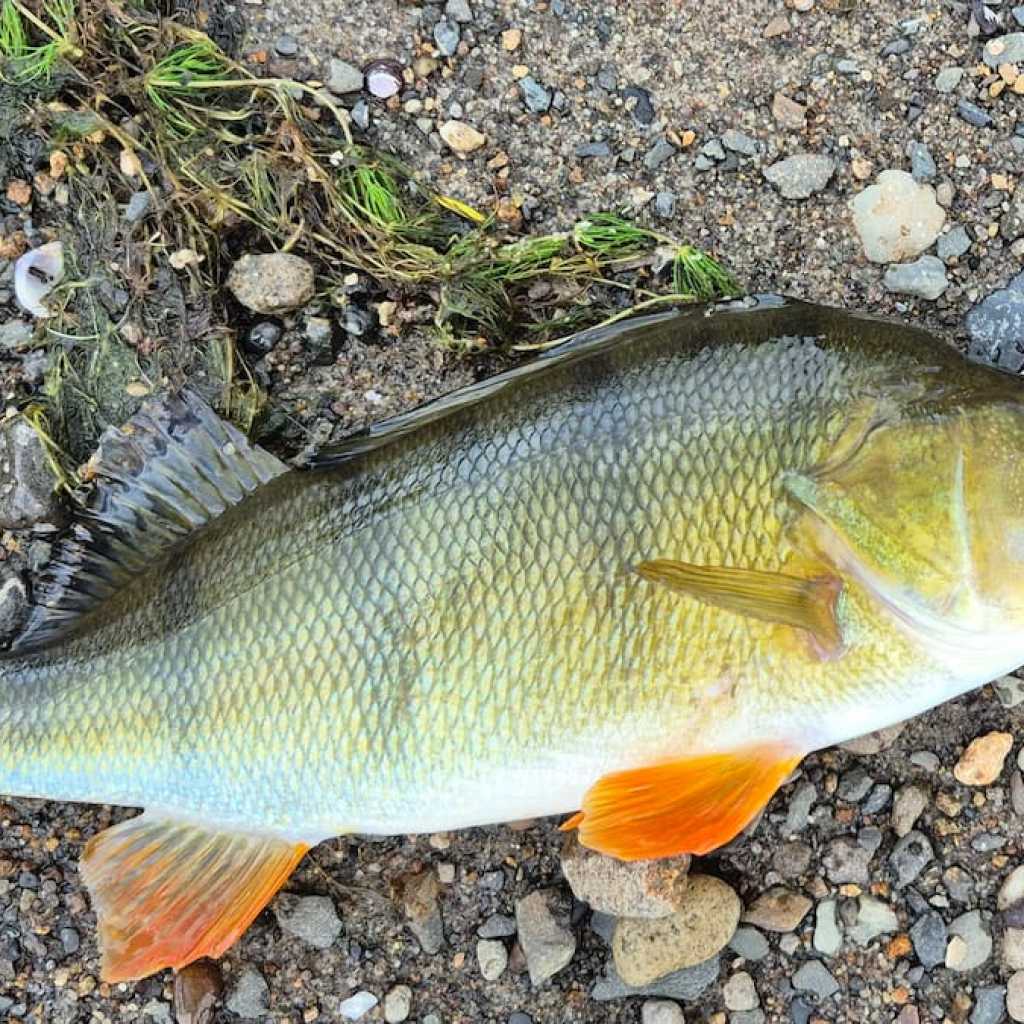
The introduction of perch to Lake Karāpiro has raised concerns among authorities and conservationists. The species was first identified in the lake after an angler, who wished to remain anonymous, provided a photograph of the fish to Fish and Game. Further surveys by Fish and Game uncovered five adult perch in nearby Lake Horohoro, leading officials to conclude that the species was already well established in Lake Karāpiro. The exact pathway through which the perch entered the lake remains unknown, with possible explanations including illegal release, bait bucket dumping, or transfer on watercraft.
Impact on Native Species
Perch are regarded as a serious threat to native freshwater species in New Zealand. As aggressive apex predators, adult perch feed on other fish, including bullies, inanga, and smelt, as well as kōura (freshwater crayfish). The presence of perch has also been linked to degraded water quality, with high numbers of juvenile perch capable of contributing to algal blooms. Furthermore, perch prey on trout and, when populations become dense, are known to eat the juveniles of their own species. This could have significant implications for recreational fishing in the area, as perch populations become more established.
Containment and Prevention Efforts
The perch population in Lake Karāpiro is considered physically contained, as the fish cannot pass the dam at the lake’s southern end on their own. However, there is still a significant risk of human-assisted spread to other waterways. Perch eggs, juveniles, or adult fish could be transported on boats, trailers, fishing gear, or other recreational equipment, particularly through water sports and rowing activities that are common on the lake. To prevent the spread of pest fish and aquatic weeds, anglers and lake users are being urged to thoroughly clean and dry all equipment before moving between waterways.
Response and Enforcement
Fish and Game is leading monitoring efforts, including decisions around ongoing surveys and any potential escalation of the response. Under the Freshwater Fisheries Legislation 1983, it is illegal to release pest fish into waterways, and penalties apply to those who do so. Enforcement action could be taken if an offender is identified, highlighting the importance of responsible behavior among anglers and lake users. The Waikato Regional Council has stated that there have been no successful eradications of perch in New Zealand in a lake the size of Lake Karāpiro, emphasizing the need for a proactive approach to preventing further spread.
Long-term Implications
The introduction of perch to Lake Karāpiro has significant implications for the long-term health of the lake’s ecosystem. As an invasive species, perch have the potential to outcompete native species for resources, leading to a decline in biodiversity. Furthermore, the presence of perch could lead to changes in the lake’s water quality, with high numbers of juvenile perch contributing to algal blooms. To mitigate these effects, it is essential that authorities, anglers, and lake users work together to prevent the spread of perch to other waterways and to monitor the population in Lake Karāpiro. By taking a proactive approach to managing the introduction of perch, it may be possible to minimize the negative impacts on the lake’s ecosystem and to protect the native species that call it home.