


Key Takeaways
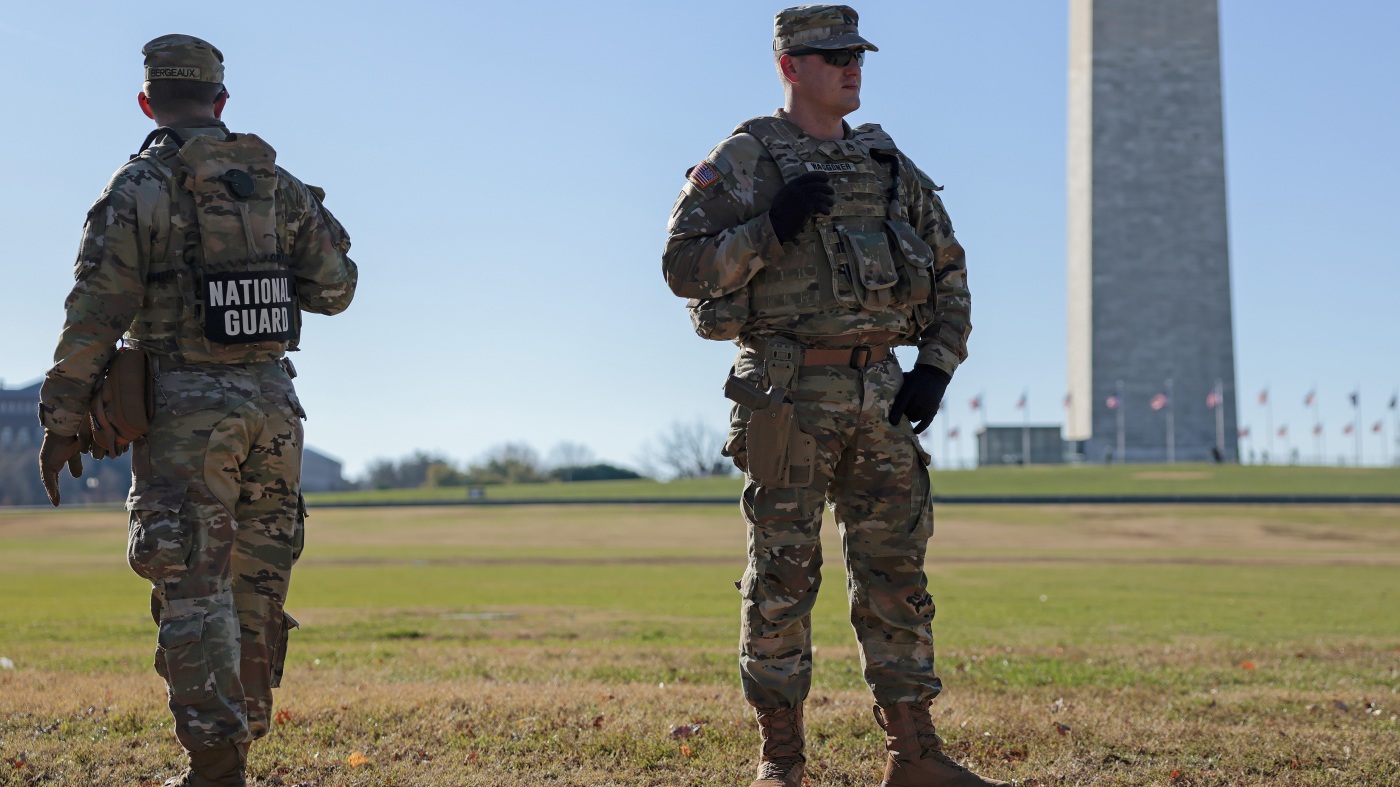
- The Federal Appeals Court for Washington, D.C. has ruled that National Guard troops can remain in Washington, D.C. while a panel of judges examines the legality of President Trump’s deployment order.
- The deployment of over 2,000 troops in the city since August is the most robust long-running operation of its kind, with hundreds more added after a targeted attack on National Guard troops last month.
- The judges have raised serious doubts about the lawfulness of deployments in other cities, particularly the deployment of out-of-state Guard to another state without the consent of that state’s governor.
- A different federal appeals court has ruled that troops must leave Los Angeles, with all troops having left their stations in the city and been moved to a military facility in the area.
Introduction to the Situation
The National Guard has been deployed in Washington, D.C. since August, with over 2,000 troops currently stationed in the city. The deployment was ordered by President Trump, and has been the subject of controversy and legal challenges. The Federal Appeals Court for Washington, D.C. has recently ruled that the troops can remain in the city while a panel of judges examines the legality of the deployment order. This decision has significant implications for the use of military force in domestic law enforcement, and raises questions about the limits of presidential power.
The Legal Battle
The deployment of National Guard troops in Washington, D.C. is the most robust long-running operation of its kind, and is part of a larger pattern of military deployments to help with policing in Democratic-led cities around the country. The Trump administration has argued that the deployment is necessary to maintain order and protect the city, while critics have argued that it is an overreach of presidential power and an attempt to suppress dissent. The legal battle over the deployment has been ongoing, with several smaller deployments tied up in court challenges. The Supreme Court is currently considering an emergency decision on the deployment of troops to Chicago, and the Ninth Circuit has ruled that troops must leave Los Angeles.
The Ruling and Its Implications
The Federal Appeals Court for Washington, D.C. has ruled that Washington, D.C.’s unique federal status allows President Trump to largely control the deployment of troops in the city. The judges have also stated that the Trump administration is likely to win the overall case, which would see the deployment remain until at least the end of February 2026. However, the judges have raised serious doubts about the lawfulness of deployments in other cities, particularly the deployment of out-of-state Guard to another state without the consent of that state’s governor. This has significant implications for the use of military force in domestic law enforcement, and raises questions about the limits of presidential power.
The Situation in Los Angeles
In a separate ruling, the Ninth Circuit has ordered that troops must leave Los Angeles. The deployment of over 4,000 troops to the city in June was made against the wishes of Governor Gavin Newsom, and was part of a larger pattern of military deployments to help with policing in Democratic-led cities. The number of troops in the city had since dropped to around 100, but the administration had sought to extend the federalization of the state’s Guard several times. The decision from the Ninth Circuit effectively blocked the administration from using those remaining National Guard troops in Los Angeles, and all troops have left their stations in the city.
Conclusion and Future Developments
The deployment of National Guard troops in Washington, D.C. and other cities around the country has raised significant questions about the use of military force in domestic law enforcement and the limits of presidential power. The recent rulings from the Federal Appeals Court for Washington, D.C. and the Ninth Circuit have significant implications for the future of these deployments, and will likely be closely watched by lawmakers, civil liberties groups, and the public. As the legal battle continues, it remains to be seen how the situation will unfold, and what the ultimate outcome will be for the deployment of National Guard troops in Washington, D.C. and other cities around the country.