


Key Takeaways
- The Muri Whenua Zone is under a prohibited fire season, suspending all existing fire permits
- Cultural cooking fires, such as hangi and umu, may still be allowed if conditions are met and the weather is favorable
- Winds over 15km/h increase the risk of fires escaping, and people are advised to check the MetService website for current wind conditions
- The Far North is at high risk of fires due to dry conditions, and total fire bans are common in the district at this time of year
- Recent large wildfires in the Far North have been expensive to fight, with costs exceeding $1.5 million and $10 million respectively
Introduction to the Prohibited Fire Season
The Muri Whenua Zone has been placed under a prohibited fire season, which means that all existing fire permits for the area have been suspended. This decision is made to prevent wildfires, which can devastate the Far North region. The prohibited fire season is a common occurrence in the district at this time of year due to the dry conditions and remote nature of the area, making it difficult for firefighters to control a blaze quickly.
Cultural Cooking Fires and Safety Precautions
However, cultural cooking fires, including hangi and umu, may still be allowed during the prohibited fire season if they meet the conditions set out on Fire and Emergency’s Check It’s Alright website and the weather is favorable. People are advised to follow the weather forecast carefully and only light cultural cooking fires in calm conditions. Winds over 15km/h make it much more likely that a fire will escape, and individuals are encouraged to check the MetService website for current wind conditions and follow all safety advice.
Geographical Location and Boundaries of the Muri Whenua Zone
The Muri Whenua Zone is the northernmost part of the Northland peninsula, and its boundaries are specifically defined. The zone includes the northern side of State Highway 10 from Taipa to Awanui, west of SH1 to Kaitāia, west side of Pukepoto Rd to the Kaitāia-Awaroa Rd, north side of the Kaitāia-Awaroa Road to Wainui, west side of the Kaitāia-Awaroa Rd Wainui to Herekino, and the north side of the Herekino Harbour. Understanding the boundaries of the Muri Whenua Zone is essential for individuals to be aware of the prohibited fire season and take necessary precautions.
Risks and Consequences of Wildfires in the Far North
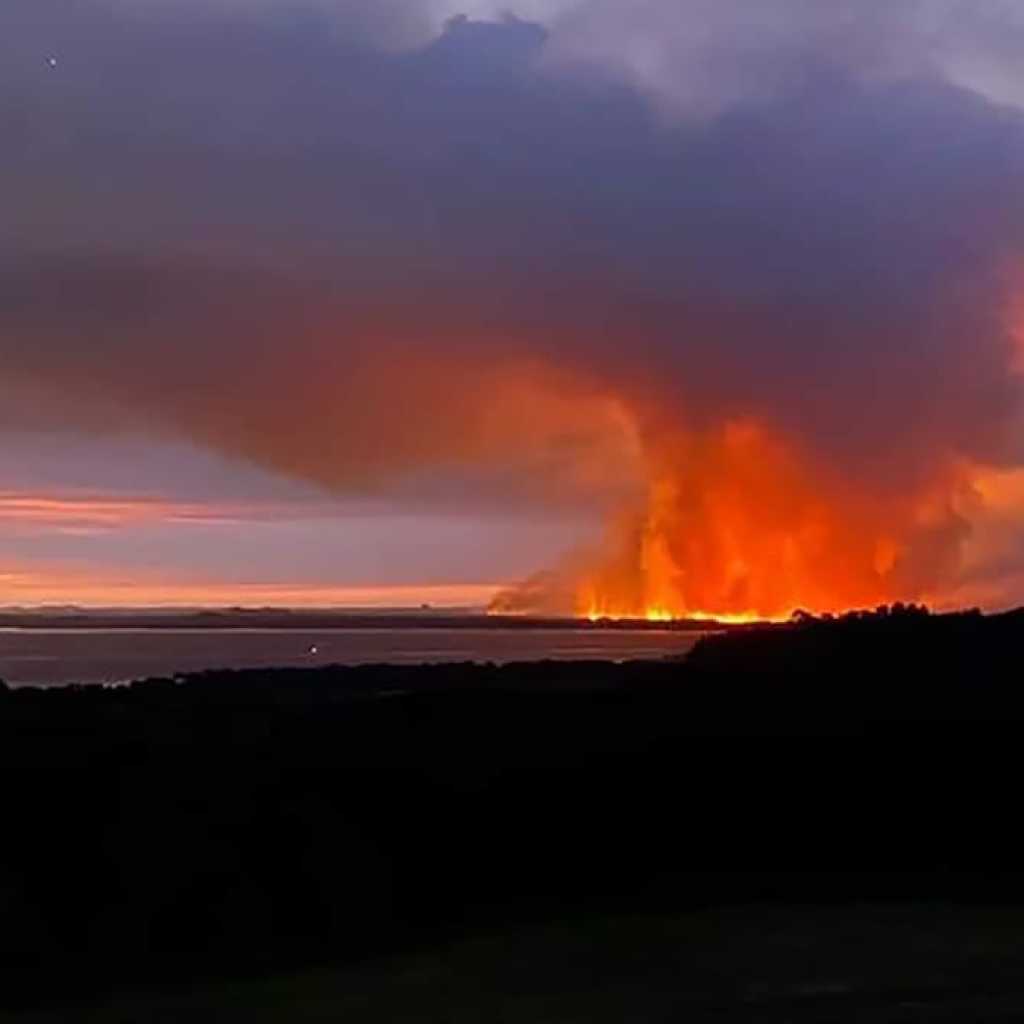
The Far North is at high risk of fires as it dries, with a number of massive blazes in recent years. The most recent large wildfire in the Far North was in March 2023 near Cape Reinga, which took eight days to extinguish at a cost of more than $1.5 million. Another significant fire near Waiharara in 2021-2022 burnt for 50 days at a cost of more than $10 million to fight. These examples demonstrate the devastating impact of wildfires in the region and the importance of taking preventive measures, such as adhering to the prohibited fire season and exercising caution when lighting cultural cooking fires.
Challenges of Fighting Wildfires in the Far North
Fighting big wildfires in the Far North can be particularly expensive due to the remote nature of the area and the need for multiple helicopters. The cost of fighting wildfires is not only financially burdensome but also poses significant challenges for firefighters, who must navigate difficult terrain and harsh weather conditions. The prohibited fire season and safety precautions are essential to prevent wildfires and minimize the risk of devastating consequences for the environment, communities, and firefighters. By understanding the risks and taking necessary precautions, individuals can play a crucial role in preventing wildfires and protecting the Far North region.