


Summary
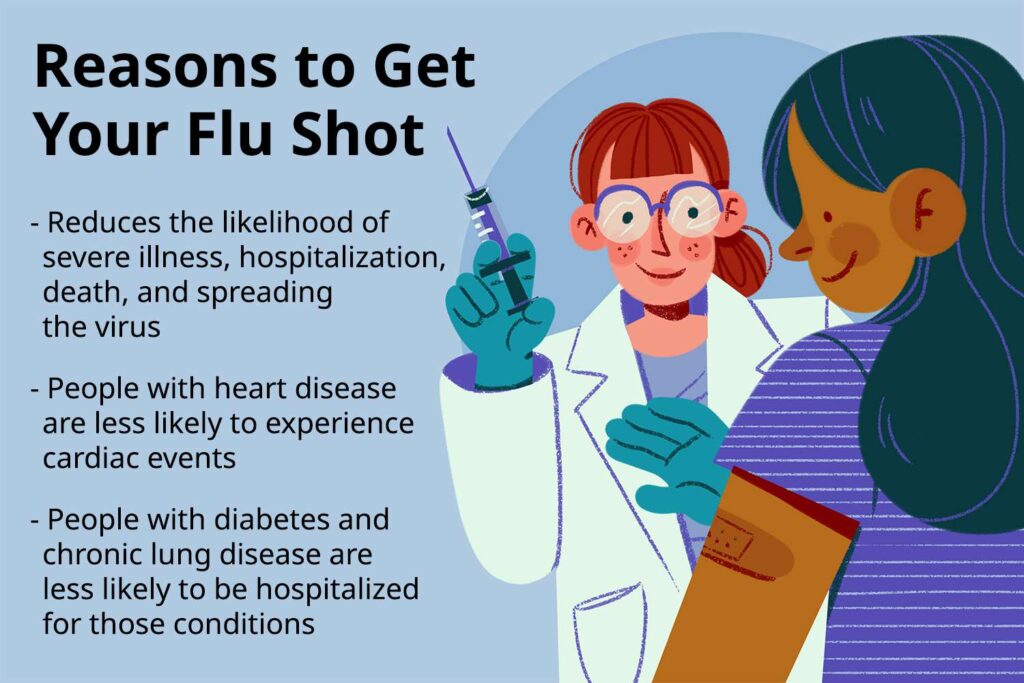
- The flu jab is recommended yearly for everyone over the age of 6 months to prevent severe sickness and hospitalization.
- High-dose, recombinant, and adjuvanted flu jabs are particularly beneficial for adults 65 years and older.
- Flu jab effectiveness varies by season, but even when it doesn’t prevent infection, it can reduce the severity of sickness.
- Pregnant women, children, and the elderly are among the high-risk groups that benefit most from the flu jab.
- Getting jabbed not only protects you but also helps reduce the spread of flu in the community.
Why You Should Get Your Flu Jab
Every year, as the leaves begin to fall, so too does the flu season arrive. While it might seem like a mild inconvenience to some, the influenza virus can cause severe sickness and even death, especially among vulnerable populations. Therefore, getting your annual flu jab is not just a personal health choice but a community responsibility.
- Prevention of Severe Illness: The primary goal of the flu vaccine is to prevent severe illness. It helps your body build immunity against the virus, making it less likely for you to suffer severe symptoms if you do get infected.
- Reducing Hospitalizations: By reducing the severity of the flu, vaccines help decrease the number of people who need to be hospitalized, easing the burden on healthcare systems, especially during peak flu seasons.
- Protecting Vulnerable Populations: Some people, such as the elderly, young children, and those with certain health conditions, are at higher risk of severe flu complications. Getting vaccinated helps protect these groups by reducing the spread of the virus.
Besides that, flu vaccines are continually updated to match the circulating strains of the virus, increasing their effectiveness each year. The Centers for Disease Control and Prevention (CDC) recommends that everyone aged 6 months and older get vaccinated annually. This simple action can prevent much misery and illness.
Grasping the Consequences of the Flu
The flu is more than just an intense cold. It’s a contagious illness affecting the respiratory system, brought on by influenza viruses that infect the nose, throat, and sometimes the lungs. It can cause mild to severe illness, and at times can be fatal. The flu can also worsen existing health conditions, such as asthma or heart disease, leading to more serious health issues.
Yearly Effectiveness of the Flu Vaccine
The flu vaccine’s effectiveness can change each year. This is because it depends on how well the strains in the vaccine match the strains that are currently circulating. The CDC reported that the vaccine was 42% effective during the 2023-2024 season. While this might seem like a low percentage, it’s crucial to keep in mind that even if the vaccine doesn’t fully prevent the flu, it can still greatly reduce the chances of becoming severely ill or needing to be hospitalized.
Getting Vaccinated to Avoid Serious Illness
One of the most convincing arguments for getting a flu shot is to avoid serious illness. Even if you do get the flu, having the shot can make your symptoms milder. This can mean the difference between a few days in bed and a trip to the hospital. Plus, the flu shot helps protect those around you, including those who are more vulnerable to serious flu complications.
Who Stands to Gain the Most from the Flu Shot?
Although everyone stands to gain from getting the flu shot, there are certain groups who are at a higher risk of experiencing flu-related complications. By understanding who these groups are, we can better understand why it’s so important for as many people as possible to get vaccinated.
Who is Most at Risk for the Flu?
The flu can be especially harmful to certain groups of people. Those most at risk include:
- Seniors: Individuals who are 65 years or older are at a higher risk of experiencing severe symptoms of the flu, which is why it is often recommended that they receive high-dose or adjuvanted vaccines.
- Infants and Toddlers: Children who are under the age of 5, particularly those who are under 2, are more susceptible to serious complications related to the flu.
- Expectant Mothers: Being pregnant can increase the risk of severe illness from the flu, which is why vaccination is a crucial part of prenatal care.
- Individuals with Chronic Illnesses: Having a chronic condition such as asthma, diabetes, or heart disease can increase the risk of complications from the flu.
Addressing Misconceptions and Worries About the Flu Vaccine
Despite the obvious advantages of the flu vaccine, many misconceptions and myths continue to circulate, causing some individuals to be hesitant or refuse to get vaccinated. These myths can cause unnecessary fear and confusion, leading to lower vaccination rates and a higher incidence of flu-related illness and death.
It’s vital to confront these misconceptions directly with correct details so that everyone can make knowledgeable choices about their health.
Debunking Myths about Vaccines
A common myth about the flu vaccine is that it can cause the flu. This is completely false. The flu vaccine contains inactive virus particles that can’t cause infection. Instead, they help your immune system identify and combat the virus. For more information on how your body fights off infections, read about reducing inflammatory diseases with high-fiber fermented foods.
A common misconception is that the flu vaccine isn’t necessary for healthy individuals. Although young and healthy people are less prone to severe complications from the flu, they are still susceptible to the illness and can spread it to others, including those who are more at risk. The vaccine is beneficial for everyone, not just those who are at a higher risk.
The Truth About Side Effects
There are those who have concerns about possible side effects from the flu shot. While it is a fact that some people may have mild side effects like a sore arm, slight fever, or muscle aches, these are usually temporary and much less severe than the flu.
While there is a small chance of having an allergic reaction to the flu shot, this is quite rare. Plus, medical professionals know how to manage this type of situation. The advantages of getting vaccinated are much greater than the disadvantages, especially when you think about how bad getting the flu can be.
Primarily, knowing the truth about the flu vaccine can help debunk these myths and inspire more people to get the shot, which ultimately helps slow down the virus spread and protects those who are most at risk.
Getting Your Flu Shot
Obtaining your flu shot is now more convenient than ever, with many places offering the shot to make sure everyone can get this important preventive step. Knowing where and when to get your shot can help keep you safe all flu season long.
Where You Can Get Your Flu Shot
Getting a flu shot is easier than ever because it’s available in so many places. Here are some of the places you can get your flu shot:
- Doctor’s Offices: Many primary care physicians offer the flu vaccine during routine visits. If you have an appointment scheduled, ask your doctor about getting vaccinated.
- Pharmacies: Many pharmacies, such as CVS, Walgreens, and Rite Aid, offer walk-in flu vaccinations. Check with your local pharmacy for availability and hours.
- Community Health Clinics: Local health departments and clinics often provide free or low-cost flu vaccines, especially for those without insurance.
- Workplaces and Schools: Some employers and schools offer flu vaccination clinics for employees and students, making it convenient to get vaccinated without having to leave work or school.
By offering the flu vaccine in various settings, healthcare providers aim to make it as accessible as possible, ensuring that everyone has the opportunity to protect themselves and their communities. For insights on future health challenges, you might explore global health trends and predictions.
When to Get Your Shot for the Best Results
You’ll want to get your flu shot before the flu season starts, which is usually in the fall. The CDC suggests getting your shot by the end of October, but if you miss that window, don’t worry. You can still get your flu shot, even if the flu season is already underway.
It’s not too late to get vaccinated, as flu activity often reaches its highest levels in the winter and can last until spring. By getting the flu shot, you can ensure that you and your loved ones are protected throughout the entire flu season.
Why You Should Get Vaccinated All Year Round
Getting the flu vaccine doesn’t just protect you from the flu. It’s also essential for keeping communities healthy and lessening the strain on healthcare systems.
Not only does the flu vaccine protect those at risk, it also helps decrease the number of people missing work or school due to illness. This not only helps the person, but it also helps the economy by keeping productivity levels up.
Additionally, getting everyone vaccinated stops the virus from spreading and makes the community healthier and stronger. Protecting the community can also involve practices like consuming high-fiber fermented foods to reduce inflammatory diseases.
Limiting the Flu’s Reach in Neighborhoods
When a larger number of individuals receive the flu shot, the overall reach of the flu virus is limited. This idea, called community immunity, safeguards those who cannot receive the flu shot, such as babies under six months old and people with specific health issues.
When you get your flu shot, you’re not just looking out for yourself. You’re helping to keep your community healthy and flu-free, too.
Benefits for Ongoing Health
There’s more to getting your flu shot than just warding off this year’s strain. By cutting down on the number of flu cases, we also lower the risk of the virus changing and becoming more harmful. This is key for the long-term health of the public because it helps stop outbreaks and pandemics from happening in the future.
Furthermore, regular vaccinations can help your immune system become stronger over time. By introducing your body to the vaccine’s inactivated virus, you’re essentially training your immune system to identify and combat the actual virus more efficiently.
Moreover, getting a flu shot can also help to avert other grave health problems. Research has indicated that the flu vaccine can lower the chances of experiencing heart attacks and strokes in some people. This is due to the fact that the flu virus can trigger inflammation within the body, which can result in cardiovascular incidents.
Common Questions
There’s a lot of confusion about the flu vaccine. To help you make the best decision for your health, we’ve answered some of the most frequently asked questions.
What’s the reason for getting a yearly flu shot?
Flu viruses are always evolving. Each year, new versions of the virus are in circulation, and the flu shot is modified to be as close a match to these as it can be. By getting the shot every year, you’re making sure you’re as protected as possible against the latest viruses.
Does the flu shot have any side effects?
The majority of individuals only have mild side effects from the flu shot, like soreness where the shot was given, a minor fever, or a little muscle pain. These symptoms typically go away in a day or two.
While severe side effects are uncommon, if you notice any serious reactions such as trouble breathing or swelling, get medical help right away. It’s crucial to keep in mind that the advantages of vaccination greatly outweigh any possible risks. For more insights on future health advancements, explore global health trends and predictions.
Will the flu shot give me the flu?
No, the flu shot won’t make you sick with the flu. The shot contains inactivated virus particles, which means they can’t infect you. Instead, they help your body build up immunity to the virus.
After getting the flu shot, some individuals might have mild flu-like symptoms. However, this isn’t the same as actually having the flu. It’s just your body’s natural way of building up its defenses.
Who should avoid getting the flu shot?
While the flu shot is generally safe for most people, there are a few exceptions. If you have a severe allergy to any ingredient in the vaccine, it’s best to avoid it. Also, if you’ve had a severe reaction to a previous flu shot, you should talk to your doctor before getting another one.
It’s important to note that babies under six months old can’t get the flu shot. However, it’s crucial for those around them to get vaccinated to provide indirect protection.
Can I still get vaccinated if the flu season has already begun?
According to the CDC, “You can get vaccinated at any time during the flu season.” Even though it’s ideal to get vaccinated by the end of October, flu activity can persist into the spring, and getting vaccinated later can still offer significant protection. Additionally, understanding the impact of chronic inflammation on your health can help you make informed decisions during flu season.
Even though flu season has already started, you can still get your flu shot to protect both yourself and others from the virus.
As a final point, the flu shot is a potent weapon in the fight against sickness and for the safeguarding of the public’s health. By highlighting the advantages and dispelling the myths, we can motivate more individuals to get the shot, which will ultimately cut down on the transmission of the flu and keep our neighborhoods in good health.