


Key Takeaways
- The real gross domestic product (GDP) in Canada decreased by 0.3 per cent in October due to a slowdown in the manufacturing sector.
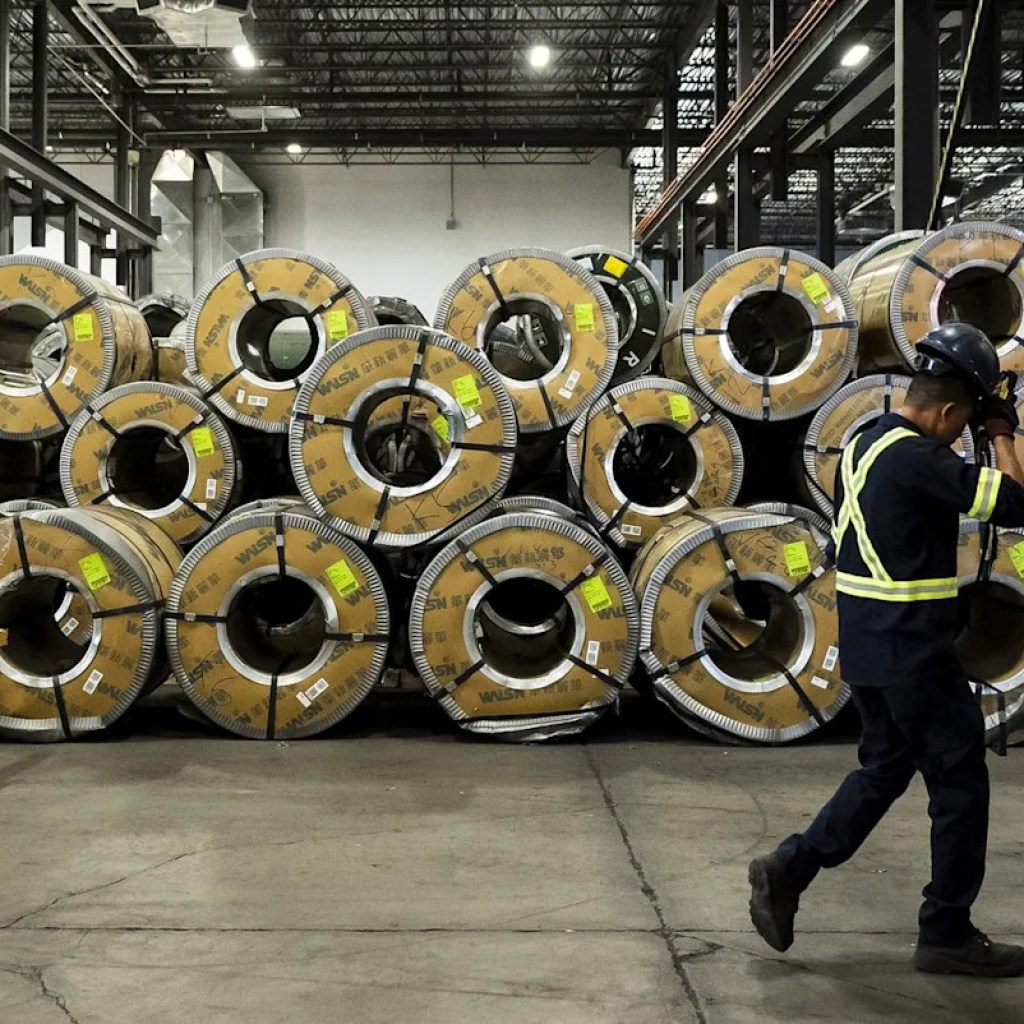
- Goods-producing industries declined by 0.7 per cent, with manufacturing being the primary contributor to the decrease.
- The public sector also experienced a decline of 0.3 per cent, partly due to Alberta’s provincewide teachers’ strike.
- The mining, quarrying, and oil and gas extraction sector contracted by 0.6 per cent, offsetting the expansion in September.
- An advance estimate for November suggests a 0.1 per cent increase in GDP, driven by growth in the educational, construction, and transportation sectors.
Introduction to the Economic Slowdown
The Canadian economy experienced a slight decline in October, with the real gross domestic product (GDP) edging 0.3 per cent lower. This decrease was primarily driven by a slowdown in the manufacturing sector, which had a ripple effect on the overall economy. The goods-producing industries, in particular, fell by 0.7 per cent, with manufacturing being the leading contributor to the decline. This contraction in the manufacturing sector is a concern, as it is a significant component of the Canadian economy and plays a crucial role in driving economic growth.
The Impact of the Teachers’ Strike
The public sector also experienced a decline of 0.3 per cent in October, partly due to the provincewide teachers’ strike in Alberta. The strike, which lasted for more than three weeks, had a significant impact on the educational sector, leading to a decline in the public sector aggregate. This decline is a reminder of the importance of the public sector in the Canadian economy and the potential consequences of labor disputes on economic growth. The strike not only affected the educational sector but also had a broader impact on the economy, highlighting the interconnectedness of different sectors.
Decline in the Mining and Construction Sectors
The mining, quarrying, and oil and gas extraction sector shrank by 0.6 per cent in October, offsetting the expansion in September. This contraction is a concern, as the energy sector is a significant contributor to the Canadian economy. The decline in the mining and oil and gas extraction sector may be due to various factors, including fluctuations in global commodity prices and changes in demand. Additionally, the construction sector was down 0.4 per cent for the first time in six months, with engineering and construction activities contributing the most to the decline. This decline in the construction sector may be a sign of a slowing economy, as construction activity is often seen as a leading indicator of economic growth.
Advance Estimate for November
Despite the decline in October, the advance estimate for November points to an increase of 0.1 per cent for that month. This growth is driven by activities in the educational, construction, and transportation sectors, which are expected to experience an uptick in November. The growth in the educational sector may be due to the resolution of the teachers’ strike in Alberta, while the construction sector may be experiencing a rebound after a decline in October. The transportation sector is also expected to contribute to the growth, possibly due to an increase in demand for transportation services. This advance estimate suggests that the Canadian economy may be experiencing a slight recovery, but it is essential to note that this is just an estimate and actual numbers may vary.
Conclusion and Future Outlook
In conclusion, the Canadian economy experienced a decline in October, primarily due to a slowdown in the manufacturing sector. The goods-producing industries, public sector, mining, and construction sectors all contributed to the decline. However, the advance estimate for November suggests a slight increase, driven by growth in the educational, construction, and transportation sectors. As the Canadian economy moves forward, it is essential to monitor the trends in these sectors and address any potential challenges that may arise. The government and policymakers must work together to implement policies that support economic growth and stability, particularly in the manufacturing and energy sectors, which are critical to the Canadian economy. By doing so, Canada can mitigate the risks of an economic downturn and promote sustainable economic growth in the long term.