


Summary
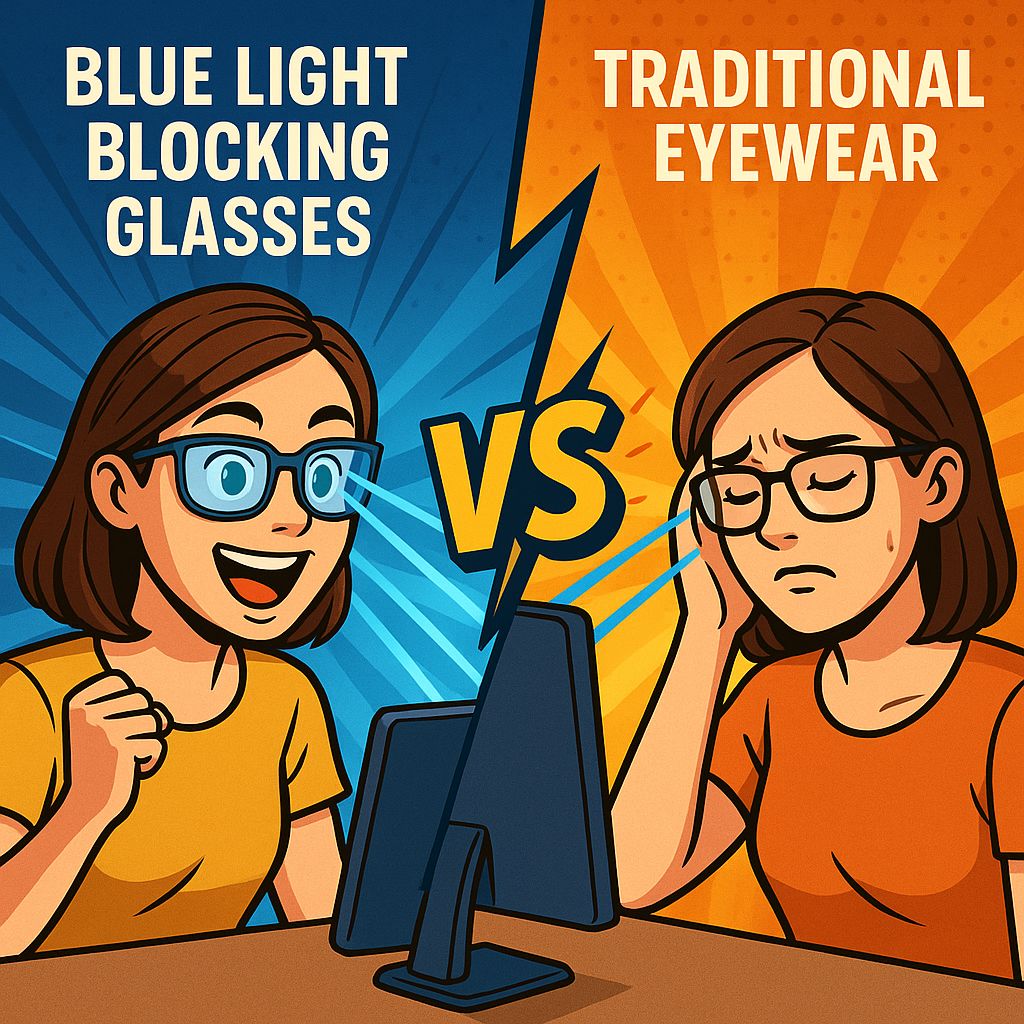
- Blue light glasses can mitigate symptoms of digital eye strain such as headaches and dry eyes by filtering out the harmful high-energy blue light from digital screens.
- Unlike traditional eyewear, blue light blocking glasses are specifically engineered to filter the 415-455 nm wavelength range which most significantly impacts sleep and eye comfort.
- High-quality blue light glasses may enhance sleep quality by preventing blue light from interfering with melatonin production, particularly when worn 2-3 hours before bedtime.
- Not all blue light glasses are made equal – those with yellow-tinted lenses usually block 90% of blue light compared to 50-80% for clear lenses.
- In addition to glasses, complementary practices such as the 20-20-20 rule and appropriate screen settings can optimize eye protection during digital device use.
The Blue Light Issue: Why Your Eyes Hurt After Screen Time
Your eyes were not built for the digital age. Every day, the majority of us spend hours staring at screens that emit high-energy blue light—a type of light that our ancestors rarely encountered in such high concentrations. This prolonged exposure is why you might experience that familiar burning, itching, or general discomfort after a marathon work session on your computer.
Today, the typical American spends more than 7 hours a day staring at digital screens, with many office workers spending more than 11 hours. As screen time has increased, so have complaints of digital eye strain and visual discomfort. Blue light glasses have become a popular remedy, but knowing how they differ from regular glasses can help you understand their unique advantages.
Traditional glasses are designed to correct vision issues such as nearsightedness or farsightedness, but they usually do not tackle the unique problems presented by digital screens. Blue light blocking glasses, on the other hand, are designed with a unique filtering technology that targets specific wavelengths that are known to cause eye strain and potentially interfere with sleep patterns. This key difference makes them increasingly crucial in our screen-centric lives.
Understanding Blue Light and Its Sources
Blue light is a type of visible light with wavelengths ranging from 380-500 nanometers, making it one of the most energetic forms of visible light. Although the sun is the primary natural source of blue light, we are increasingly being exposed to artificial sources of blue light from digital screens, LED lights, and fluorescent light bulbs. The most worrisome range is from 415-455 nm, which has been associated with both eye strain and sleep disturbances. Devices such as your smartphone, tablet, computer, and even energy-efficient lighting emit significant amounts of this high-energy blue light. Unlike other forms of light that are naturally filtered by the eye, blue light goes straight to the retina. This can cause immediate discomfort and raises concerns about potential long-term effects on eye health.
Warning Signs of Digital Eye Strain
When you suffer from digital eye strain, you may experience a number of symptoms that can interfere with your daily activities and work performance. The most common symptoms include dry or irritated eyes that may feel gritty or burn after using a screen. After prolonged use of digital devices, you may also suffer from headaches, especially around the temples or forehead. Many people also experience blurred vision, difficulty focusing, and increased sensitivity to light. Neck and shoulder pain are also common and can occur along with these visual symptoms, resulting in a range of discomfort that can continue even after you have stopped using your devices.
The symptoms tend to get worse as the day progresses and the amount of time spent in front of a screen increases. While it might seem like a minor inconvenience, if the symptoms persist, they can have a significant impact on your quality of life, your ability to work effectively, and your general health. It’s important to recognize the symptoms early so that you can take steps to protect your eyes before the problem becomes more serious or long-term.
- Feeling like your eyes are dry, burning or itchy after you’ve been using a screen
- Headaches in the front of your head that get worse as the day goes on
- Having blurry vision when you look at screens or when you try to refocus your eyes
- Feeling like you’re more sensitive to light, especially light from digital devices
- Having trouble concentrating when you’re doing tasks that involve screens
- Feeling tension in your neck and shoulders when your eyes are uncomfortable
Eye care professionals used to think these symptoms were just annoying. But now they know these symptoms are important signs that your visual system is stressed. You shouldn’t ignore these symptoms. If you deal with these symptoms in a proactive way, like by using blue light glasses, you can stop them from becoming chronic problems.
Blue Light’s Impact on Sleep
One of the most important and often overlooked aspects of blue light exposure is its impact on sleep. Blue light directly suppresses melatonin, the hormone that controls your sleep-wake cycle. If you scroll through your phone before bed or watch TV late at night, the blue light from these screens tells your brain that it’s still daytime, which delays the natural production of melatonin that should be getting your body ready for sleep. For more insights on how technology can impact daily life, explore educational AR applications and their uses in schools.
Studies have found that exposure to blue light for just two hours before going to bed can reduce the production of melatonin by as much as 22%, shifting your circadian rhythm by as much as 3 hours. This shift makes it more difficult to fall asleep and decreases the quality and quantity of your sleep cycles, especially REM sleep, which is essential for cognitive function. The disruption in sleep doesn’t just make you feel tired—it leads to a range of health problems, including decreased cognitive performance, mood disturbances, and even connections to more serious conditions like depression and metabolic disorders.
Blue light blocking glasses have been shown to have a positive effect on sleep onset and quality when worn in the evening. A study published in the Journal of Psychiatric Research in 2019 found that participants who wore blue light blocking glasses for two hours before going to bed had a 58% increase in melatonin production compared to those who wore regular clear lenses. As a result, they fell asleep about 25 minutes faster on average and reported a noticeable improvement in the quality of their sleep. This is why many sleep experts now recommend using blue light filtering options as part of a healthy sleep routine.
How Do Blue Light Glasses Differ from Regular Glasses?
Blue light glasses are not your typical eyewear. They are designed with special lenses that make them stand out from regular glasses. While standard glasses are made to fix vision issues, blue light glasses go the extra mile. They are built with specific filters or coatings that block high-energy blue light from getting to your eyes. This key difference makes them more suited to our digital age, something that regular glasses just can’t compete with.
Top-notch blue light glasses focus on wavelengths between 415-455 nanometers—this is the range that is most tied to digital eye strain and disruption of sleep. Regular prescription lenses that don’t have blue light technology let these wavelengths pass through without any filtering, offering no safeguard against the possible harmful effects of long screen exposure. A lot of people incorrectly think their regular glasses offer enough protection for screen use, but in truth, they’re lacking this vital filtering ability.
The Science Behind Blue Light Blocking
Blue light blocking glasses work by using special lenses or surface coatings that selectively filter out certain light wavelengths. The best technology uses filtering compounds directly in the lens material instead of just relying on surface treatments. These filters that are embedded in the lenses work by either absorbing or reflecting blue light wavelengths while letting other beneficial light through. This results in a lens that keeps your vision clear while reducing your exposure to potentially harmful blue light.
Blue light glasses are designed to filter out the harmful blue light that digital screens emit. The best blue light glasses can block between 50-90% of blue light, specifically in the 415-455 nm range. This is the most harmful range of blue light. You’ll often find that the glasses that block out the most blue light often have a yellow tint to them. This is because the yellow/amber color blocks out the blue light. This filtering of light can help to reduce the amount of high-energy light that hits your retina when you’re looking at a screen. This is something that traditional eyewear doesn’t do.
Why Regular Glasses Don’t Protect Against Screens
Regular prescription glasses are great for fixing refractive errors like nearsightedness, farsightedness, and astigmatism, but they don’t do much to protect against blue light exposure. Standard lenses, even with anti-reflective coatings, let most blue light wavelengths pass right through to your eyes. This basic flaw means that while your vision may be sharp and clear with regular glasses, your eyes are still at risk from the specific stressors associated with digital screens.
Traditional eyewear lacks blue light filtering technology, which can be an issue during long periods of screen time. Without this shield, your eyes have to work overtime to process the high-contrast, high-intensity light that digital devices emit. This leads to quicker eye fatigue and strain. Ordinary glasses also don’t prevent blue light from interfering with melatonin production. This could lead to sleep disruptions when you use screens at night.
Unless they have been specifically designed with complete filtering technology, even prescription glasses that are sold as providing “digital protection” may only have very limited blue light blocking capabilities. Some manufacturers use basic coatings that block as little as 10-20% of blue light, while claiming that their glasses provide the benefits of digital protection. This is far less than the minimum recommended threshold of 50% for providing significant relief from the strain on the eyes caused by digital devices.
Prescription and Non-Prescription Choices for Blue Light Glasses
Blue light filter technology can be added to both prescription and non-prescription lenses, making it available to everyone, no matter what their vision correction needs are. For those who need vision correction, prescription blue light glasses provide the double advantage of better visual clarity and blue light protection in one pair of glasses. The filter technology can be added to almost any lens type, such as single vision, progressive, and bifocal prescriptions, which makes it easy to add to your current eyewear routine.
Blue light glasses that don’t require a prescription are a great option for those who already have good vision but still want to protect their eyes from screens. These glasses have lenses that are optically neutral, meaning they won’t magnify or distort your vision, but they will still filter out blue light. Many professionals who spend a lot of time in front of screens choose to keep a pair of non-prescription blue light glasses at their desk specifically for when they’re using their computer, even if they don’t need glasses for any other reason.
“When comparing prescription versus non-prescription options, the blue light filtering effectiveness is identical when using the same lens technology. The choice between the two depends entirely on whether you need vision correction, not on the quality of blue light protection provided.” – American Academy of Ophthalmology
5 Key Benefits of Blue Light Glasses
The targeted protection offered by blue light blocking glasses translates into several meaningful benefits for digital device users. From immediate comfort improvements to potential long-term health advantages, these specialized lenses address specific challenges posed by our screen-centric lifestyle. Understanding these benefits helps explain why many eye care professionals now recommend blue light protection as part of comprehensive vision care, especially for those spending significant time with digital devices.
1. Less Eye Tension and Tiredness
When people start wearing blue light glasses, the first advantage they typically notice is a considerable decrease in the symptoms of digital eye strain during and after using screens. These glasses filter out high-energy blue light, reducing the amount of work your ciliary muscles have to do to keep digital content in focus. As a result, your eyes don’t get as tired, especially during long work periods or when you’re changing your focus between different distances. For a science-based analysis on the effectiveness of blue light glasses, you can explore further.
Several people have stated that their eyes feel significantly less fatigued at the end of the day when they consistently wear blue light glasses. A study published in the Journal of Ophthalmology in 2021 found that participants who wore blue light filtering lenses had a 26% reduction in symptoms of eye fatigue compared to those who wore regular lenses while performing the same two-hour computer tasks. This reduction in fatigue makes it possible to use screens more comfortably and productively without the usual discomfort at the end of the day that many digital workers have come to see as normal.
Blue light glasses can help reduce the dryness and irritation that often comes with using digital devices. This is because blue light exposure can cause your blink rate to go down. Normally, we blink about 15 times a minute. However, when we’re looking at digital screens, we blink almost 60% less. This can lead to dry, irritated eyes. Blue light glasses can help with this by reducing the harsh light that causes this decrease in blinking. This can help keep your eyes lubricated while you’re using screens.
2. Improved Sleep Quality and Melatonin Levels
One of the most well-researched benefits of blue light glasses is their ability to improve sleep quality, especially when worn in the evening. Blue light in the 446-477 nm range is known to suppress melatonin production more than any other wavelength of light. Studies have shown that even a little exposure in the evening can delay the release of melatonin by 90 minutes or more. High-quality blue light glasses filter out these specific wavelengths, allowing your body to keep its natural sleep-wake cycle, even with evening screen use.
Wearing blue light glasses for a consistent 2-3 hours before bedtime has been shown to have the most impact on sleep. A significant study by the University of Houston found that those who wore blue light blocking glasses in the evening saw a 58% increase in their nighttime melatonin production compared to those who didn’t. This increase in melatonin production led to falling asleep about 25 minutes faster and having a better quality of sleep throughout the night.
- Faster sleep onset with less tossing and turning
- More consistent melatonin production throughout the night
- Reduced middle-of-night awakening frequency
- Improved morning alertness and reduced sleep inertia
- Better REM sleep cycles, crucial for cognitive function
3. Headache Prevention for Digital Workers
Frequent headaches are among the most debilitating symptoms experienced by digital workers, with studies showing that up to 65% of office professionals report regular tension headaches associated with computer use. Blue light glasses directly address one of the primary triggers for these headaches by reducing the high-energy light wavelengths that cause visual stress. The constant adjustment and strain required to focus on digital content creates tension in the muscles surrounding the eyes, which often radiates to the temples, forehead, and even the neck—all common headache trigger points.
Many people who wear blue light glasses have noticed a significant reduction in the number and severity of headaches they experience at work after using them regularly. This improvement usually becomes noticeable within the first two weeks of regular use, although the results can vary from person to person depending on the severity of the headaches and other contributing factors. For those who suffer from migraines, which can be particularly sensitive to light triggers, the filtering properties of blue light glasses can provide even more relief by reducing exposure to wavelengths known to increase photosensitivity.
Not only do blue light glasses help prevent headaches during work hours, but they also help during leisure activities such as gaming, streaming, or scrolling through social media. This way, you’re protected from the harmful effects of blue light all day long. By consistently wearing blue light glasses, you can prevent the build-up of strain that often results in headaches at the end of the day or on the weekends, which can greatly affect your quality of life.
4. Long-Term Eye Health Protection
Blue light glasses don’t just provide immediate comfort benefits, they may also offer long-term protection for your eyes. This is because high-energy blue light penetrates the eye more deeply than other types of visible light, reaching as far as the retina. Lab studies have shown that long-term exposure to these wavelengths can speed up oxidative stress in retinal cells. This could potentially lead to age-related macular degeneration (AMD) and other degenerative eye conditions over time.
Blue light blocking technology is a great way to proactively reduce the cumulative exposure to blue light, potentially helping to maintain the health of the macula as we age. While long-term human studies are still underway, early research suggests that reducing exposure to blue light may help to maintain better retinal health throughout life. This preventative approach is especially important for younger generations who will experience an unprecedented amount of screen exposure throughout their lives compared to previous generations.
Many eye doctors suggest that people use blue light blocking glasses as part of a well-rounded plan for maintaining eye health in the long term. This is especially true for those who have a family history of macular degeneration or other diseases of the retina. The logic behind this advice is the precautionary principle. This principle states that it’s better to take reasonable steps to decrease potential risks while scientists continue to learn more about them. Because there are few downsides to using high-quality blue light filters, many experts think that they’re a smart way to protect the health of your eyes over time, especially in a world that’s becoming more and more digital.
5. Enhanced Performance During Screen Time
With less eye strain, fewer headaches, and better sleep quality, it’s no wonder that productivity during screen time is enhanced. When your eyes are comfortable and you’re not distracted by discomfort, your concentration naturally increases. Many people who wear blue light glasses report being able to work more effectively for longer periods without experiencing the typical mid-afternoon visual fatigue that previously hindered their productivity.
By filtering out blue light in the evening, you can actually improve your sleep quality. This, in turn, can lead to increased productivity during the day. Better sleep can improve your cognitive function, memory consolidation, and focus, which are all important for working at your best when you’re in front of a screen. So, not only do these glasses help with the immediate symptoms of digital eye strain, they also help with the indirect effects of blue light exposure on your sleep. This can help you stay productive all week long.
Blue light glasses can be a game-changer for those whose work revolves around screens. A 2019 study in the workplace showed that employees who used blue light glasses saw an average increase of 17% in their self-rated productivity and a 23% decrease in work errors during detailed digital tasks compared to their peers who used regular glasses. While results can differ from person to person, this potential increase in productivity makes blue light protection something that employers and employees should think about.
Identifying High-Quality Blue Light Glasses
Blue light glasses vary in terms of protection and quality. The market offers a wide range of options, from high-quality optical-grade glasses to simple fashion accessories with limited filtering capabilities. Knowing the main quality indicators can help you determine whether you’re getting real protection or just a fashionable frame with clear lenses. The most crucial factor is the actual filtering capability—specifically, the percentage of blue light in the 415-455 nm range that the lenses can block.
Yellow Tint vs. Clear Lenses: Which is More Effective
The noticeable tint of blue light glasses is directly linked to their ability to filter, making it a crucial balance between looks and performance. Yellow-tinted lenses usually offer the most significant level of blue light filtering, blocking up to 90% of blue light in the crucial wavelength range. This increased protection is due to specialized compounds embedded in the lens material that absorb blue light wavelengths before they can reach your eyes. The yellow appearance is a direct result of this filtering process – by absorbing blue wavelengths, the lenses naturally enhance warmer colors like yellow and amber.
Clear or almost clear lenses have a more subtle look but usually offer less comprehensive protection, blocking between 50-80% of blue light depending on the specific technology used. These lenses rely more on surface coatings or less concentrated filtering compounds to achieve their protective effects while maintaining a conventional look. For many professionals who need blue light protection without the visible tint during customer interactions, these clear options provide a reasonable balance between protection and looks.
When deciding between tinted and clear options, think about your main use cases and protection needs. Yellow-tinted lenses are great for maximum protection during intense screen sessions or evening use when protecting melatonin is most important. Clear lenses offer more versatility for all-day wear when appearance considerations are important, although they won’t offer the same level of filtering as their tinted counterparts. Many users ultimately choose both types—yellow lenses for home use and clear lenses for professional settings.
How to Check If Your Glasses Really Block Blue Light
There are a few easy tests you can do to see if your blue light glasses are actually working. The easiest one is the reflection test. Just hold your glasses at an angle under a bright light and look at the reflection on the lens. Good blue light lenses usually have a clear blue-purple reflection. This shows that the blue light is being reflected away from your eyes instead of going through the lens. The stronger the color of the reflection, the better the glasses are at blocking blue light.
The blue light isolation test is a more concrete way of confirming the effectiveness of blue light blocking glasses. In a dark room, a pure blue LED light source is used. If you’re looking through authentic blue light blocking lenses, the pure blue LED should appear significantly dimmer than if you were looking at it directly or through regular glasses. Some manufacturers also provide certification for blue light filtering or specific filtering percentages for different wavelength ranges, which gives more detailed information about the level of protection. These specifications often appear as filtering percentages at specific nanometer ranges, with higher percentages indicating better protection.
For those looking to make a substantial purchase of blue light glasses, some high-end optical stores offer spectrophotometer testing, which can measure the specific filtering capabilities of different lenses. This professional-grade equipment can provide a detailed analysis of how much light each lens lets through, ensuring that you know exactly what you’re buying. While this isn’t necessary for most people, it provides the highest level of assurance for those who want to be absolutely sure about the level of blue light protection they’re getting.
Cost: How Much You Should Anticipate Spending
The cost of blue light glasses can differ greatly, with basic models starting around $20 and high-end prescription models with premium frames costing upwards of $200. This vast price range is due to differences in filtering technology, lens quality, frame sturdiness, and other features. Knowing what contributes to the cost can help you make a smart purchase instead of overpaying for marketing or underpaying for a product that doesn’t work well.
Blue light glasses that are on the cheaper side (around $20-$50) usually have basic filtering technology that blocks about 30-60% of blue light. They often use coatings on the surface rather than filters within the lens, which can wear down over time. Mid-range glasses (around $50-$100) usually have better filtering (blocking 60-80% of blue light), better lens quality, more durable coatings or filters, and better frames. The most expensive blue light glasses (over $100) have the best filtering (blocking over 80% of blue light), and often have other features like anti-reflective coatings, scratch resistance, and high-quality frames.
For those of you considering prescription blue light glasses, you should be aware that you’ll likely be paying an additional $30-$100 on top of the base prices. This is due to your prescription complexity and if you require features such as progressive lenses or high-index materials. However, it’s worth noting that many vision insurance plans now offer partial coverage for blue light filtering technology when added to prescription lenses. This could help to offset some of this additional cost. Regardless of your budget, I would recommend focusing on verified filtering effectiveness rather than brand names or marketing claims when evaluating the value proposition of different blue light glasses options.
Who Stands to Benefit the Most from Blue Light Glasses?
Office Employees and Remote Workers
Office workers and remote employees who spend more than six hours each day on computers are the ones who are most likely to see the benefits of blue light glasses. The constant exposure to screens throughout the workday creates the perfect environment for digital eye strain to develop, with symptoms usually getting worse as the day goes on. For these workers, blue light glasses are a necessary piece of protective equipment—much like ergonomic chairs or proper lighting—that helps to keep their eyes comfortable and prevent cumulative strain over years of screen use in their careers.
Those working from home tend to spend a lot of time in front of screens, often more than 10 hours a day when you combine work and leisure time. Without the natural breaks that come from working in a traditional office setting, these workers may have even worse symptoms of digital eye strain. Blue light glasses provide an important layer of protection that helps keep your vision comfortable through long work-from-home days, video meetings, and digital collaboration that are typical in remote work settings.
Blue light glasses are not just about making your workday more comfortable. They also help ensure that you can continue to work effectively over the long term. By reducing the overall strain of looking at a screen for work, blue light glasses can help prevent the development of chronic eye fatigue that might otherwise limit your productivity or how long you can continue in your career. Many companies are now including blue light glasses in their wellness programs or as part of the ergonomic equipment they offer. They recognize that these glasses can help maintain the visual health and productivity of their employees in a digital work environment.
Gaming Enthusiasts and Streaming Fanatics
Hardcore gamers and streaming enthusiasts are among the groups that face the most intense and prolonged exposure to blue light. Gaming sessions often last for over 3 hours, with the gamers’ eyes completely focused on bright, high-contrast screens. These conditions maximize exposure to blue light and put a lot of strain on the visual system. The competitive aspect of gaming also reduces the natural frequency of blinking even more than typical computer use, which can worsen dry eye symptoms and overall discomfort during long gaming sessions. For those interested in the latest technological advancements, the Nvidia and Intel AI partnership might be of interest.
For those who stream and simultaneously handle broadcasting equipment, the multi-screen setting can be particularly difficult on the eyes. The constant shifting between different screens at different distances requires continuous focus adjustments, which can cause strain beyond just the exposure to blue light. Professional streamers who rely on their visual performance for their livelihood often see high-quality blue light protection as a crucial part of their equipment setup, along with their technical broadcasting gear.
The fast-paced and high-contrast visuals in most games can increase the risk of discomfort related to blue light. Good quality blue light glasses can greatly improve comfort and endurance while gaming, potentially allowing for longer play sessions by reducing the eye fatigue that often becomes a limiting factor during marathon gaming sessions. Many professional eSports teams now include blue light protection in their training routines to ensure they maintain top visual performance during competitions.
Students in Online Classrooms
Students today are exposed to screens more than ever before, with digital learning platforms, e-textbooks, and online research becoming standard components of education at all levels. This intensive screen use occurs during crucial developmental years when visual habits are being established and when young eyes may be particularly sensitive to the effects of high-energy light. Blue light glasses provide an important protective measure for students navigating this increasingly digital educational landscape.
University students are under a lot of pressure to be digitally connected, often spending more than eight hours a day attending online lectures, reading digital textbooks, researching databases, and preparing assignments. This heavy screen time often extends into the evening, potentially disrupting sleep patterns that are essential for memory consolidation and academic performance. Blue light glasses offer two benefits for these students: they reduce eye strain during study sessions and help maintain healthy sleep patterns despite the need to use screens in the evening.
When it comes to younger students who are involved in remote or hybrid learning, protecting their eyes from blue light can help them form good visual habits early on in their academic career. Children’s eyes let more blue light through to the retina than adult eyes do, which could potentially make them more vulnerable to the effects of blue light. More and more parents are starting to include blue light glasses in their back-to-school shopping, especially if their children are showing signs of digital eye strain, such as having headaches after school or having trouble going from looking at a screen to going to sleep.
For those with Sleep Disorders
People with sleep issues can benefit greatly from wearing blue light blocking glasses in the evening. This is especially true for those with insomnia, delayed sleep phase syndrome, or other circadian rhythm disorders. Even moderate exposure to screens in the evening can worsen sleep problems by suppressing melatonin production. Wearing blue light glasses for 2-3 hours before going to sleep can significantly reduce this effect, helping to maintain natural melatonin production.
More and more sleep experts are suggesting blue light management, such as special glasses, as a primary solution for sleep-onset insomnia caused by delayed melatonin production. The filtering technology offers a workable solution that doesn’t require completely eliminating evening screen use—an impractical expectation for many people in today’s wired world. This method allows individuals to continue their digital activities while reducing the negative sleep effects, creating a sustainable balance between modern lifestyle and biological sleep needs.
Blue light glasses offer an added benefit for shift workers who have to sleep during the day. These glasses can be worn after night shifts to reduce exposure to blue light during morning commutes or daytime activities before sleep. This helps signal to the body that it’s time to rest, even though the environment suggests otherwise. This specific use helps deal with one of the most difficult aspects of shift work—maintaining healthy sleep when the schedule goes against natural circadian rhythms.
More Than Just Glasses: Total Protection For Your Eyes In The Digital Age
Blue light glasses are a fantastic starting point for protection, but total digital eye health requires a more comprehensive approach. The best strategy is to combine quality blue light filtering with other practices that cover all areas of visual comfort and eye health during screen use. This combined approach not only boosts the power of your blue light glasses, but also tackles elements of digital eye strain that filtering alone can’t fully remove.
How Your Glasses Work with Your Device’s Screen Settings
Today’s devices come with built-in settings to reduce blue light that can work hand-in-hand with your blue light glasses to lower your exposure even more. You can use features like Night Shift on iOS/Mac, Night Light on Windows, Night Mode on Android, or f.lux, which works on all platforms, to adjust the color temperature of your screen and lower the amount of blue light it gives off, especially in the evening. When you use these settings along with your blue light glasses, you’re giving yourself multiple layers of protection that can lower your blue light exposure by as much as 95% compared to screens that aren’t filtered.
You can also adjust additional display settings to make screen use more comfortable for your eyes. For example, you should adjust the brightness of your screen to match your surroundings—bright enough that you can see clearly without a lot of glare. This will reduce the strain on the ciliary muscles that control how your pupils dilate. You can also increase the size and contrast of the text on your screen to make it easier to read without straining your eyes. And if you position your screen slightly below your eye level (about 20 degrees down from horizontal), your eyes will be able to maintain a more natural viewing angle and won’t dry out as quickly.
For those with multiple screens, it’s crucial to maintain the same brightness and color temperature settings on all screens to avoid the stress on your pupils from constantly adjusting to different light intensities. Your main screens should be directly in front of you at arm’s length (20-26 inches) and your secondary screens should be within a 30° viewing angle to avoid excessive eye movement and neck strain. These ergonomic adjustments, along with the filtering benefits of blue light glasses, create the best viewing conditions throughout your workspace.
- Enable blue light filtering modes on all devices (Night Shift, Night Light, etc.)
- Match screen brightness to ambient lighting conditions
- Increase text size to 125-150% for improved readability
- Position screens slightly below eye level (15-20° downward angle)
- Maintain uniform brightness across multiple displays
The 20-20-20 Rule for Eye Breaks
Even with excellent blue light protection, your eyes need regular breaks from the sustained focus required during screen use. The 20-20-20 rule provides a simple but effective guideline: every 20 minutes, look at something at least 20 feet away for at least 20 seconds. This brief reset allows your ciliary muscles to relax from their contracted state, reduces dryness by promoting natural blinking, and prevents the visual fixation that contributes to digital eye strain. Multiple studies have confirmed that implementing this simple practice can reduce eye strain symptoms by up to 45%, even without changing any other work habits or equipment.
Top Eye Drops for Computer Eye Strain
High-quality lubricating eye drops are the perfect partner to blue light glasses when it comes to managing computer eye strain. Using screens reduces blinking frequency from a regular rate of 15-20 blinks per minute to just 5-7 blinks when intensely focusing on a screen. This reduced blinking causes tears to evaporate faster and leads to dryness that significantly contributes to computer eye strain. Artificial tears that are free of preservatives replenish this moisture barrier, providing immediate relief and helping to maintain the long-term health of your eye surface.
If you want to get the most out of eye drops, go for those specifically designed to alleviate digital eye strain instead of the generic ones for relieving redness. Ingredients like carboxymethylcellulose, hyaluronic acid, or glycerin are good because they provide longer-lasting lubrication and don’t contain vasoconstrictors, which can cause rebound redness. You’ll get better results if you use these drops before your eyes start to feel uncomfortable, rather than waiting until your eyes are already in pain. Many eye care professionals suggest using them when you naturally have a break in your work, like between meetings or during your 20-20-20 breaks.
What You Can Do to Protect Your Eyes from Digital Screens
Keeping your eyes safe from digital screens doesn’t have to mean making drastic changes to your lifestyle. Instead, it’s about incorporating eye-protecting habits into your existing digital routine. Start by buying high-quality blue light glasses that block at least 50% of blue light in the critical 415-455 nm range. Wear these glasses whenever you’re looking at a screen for a long time, especially during the evening when the risk of disrupting your sleep is highest. In addition to wearing blue light glasses, you should also adjust your screen settings, take regular breaks from looking at the screen using the 20-20-20 rule, and do things like make sure your workstation is set up properly and use eye drops to keep your eyes lubricated. This approach will give you the most protection with the least amount of disruption to your existing routine, helping you form habits that will keep your eyes comfortable for as long as you’re using digital screens.
Common Queries
Blue light glasses have become quite popular recently, and as a result, several questions have popped up about how to use them, what they can and can’t do, and when they should be used. These common queries help clear up any misunderstandings about blue light filtering technology and can help you decide whether or not to add them to your digital lifestyle.
By getting to grips with these subtle differences, you can make the most of your blue light glasses while also keeping in mind what they can and can’t do. They offer excellent protection against certain elements of digital eye strain, but they are most effective when used as part of a wider approach to eye health, rather than as a catch-all solution to digital discomfort.
Is it okay to wear blue light glasses all day?
Absolutely, high-quality blue light glasses are perfectly safe to wear all day and won’t harm your vision or eye health. The filtering technology only blocks specific wavelengths while allowing beneficial light to pass through, making them suitable for all-day use. Many people like to wear them throughout their workday for consistent protection, especially those with clear lenses that don’t significantly change color perception. For those who already wear prescription glasses full-time, switching to blue light filtering versions of their regular prescription provides seamless protection without the need for additional eyewear management.
Can I wear blue light glasses over my contact lenses?
Yes, you can wear blue light glasses over your contact lenses. They offer an extra layer of protection that contact lenses alone can’t provide. Most contact lenses, even those with UV protection, don’t have blue light filtering capabilities. Blue light glasses filter the light before it reaches your eyes. So, wearing them over contacts offers the same protection as wearing them without contacts. If you wear contacts and spend a lot of time in front of screens, non-prescription blue light glasses are a great way to protect your eyes without having to switch back to prescription glasses.
Will wearing blue light glasses affect how I see colors on my screen?
The extent to which colors are altered depends entirely on the specific filtering technology and tint level of your blue light glasses. Clear or nearly clear blue light lenses typically cause minimal color shifting, with most users noticing little to no difference in color perception during normal use. These lenses may reduce the intensity of bright whites slightly but generally maintain excellent color fidelity for most applications. Yellow-tinted lenses, which provide stronger filtering, do create more noticeable color shifting, particularly in the blue-purple spectrum, giving screens a slightly warmer appearance.
Here are the types of lenses:
- Clear blue light lenses: These lenses have minimal color shifting and are suitable for color-critical work.
- Lightly tinted lenses: These lenses have a slight warming of colors but maintain good color accuracy.
- Yellow-tinted lenses: These lenses have a more pronounced warming effect and are not ideal for precise color work.
- Amber/orange lenses: These lenses have significant color distortion and are best for evening use only.
For professionals who need absolute color accuracy for graphic design, photo editing, or video production, there are specialized blue light glasses with minimal color distortion certification. These lenses use advanced filtering technology that targets specific blue light wavelengths while maintaining excellent color rendering index (CRI) values. While these are slightly more expensive, they allow creative professionals to protect their eyes without compromising the quality of their work.
For regular computer use, where exact color reproduction is not a necessity, the minor warming effect of standard blue light glasses is rarely an issue. In fact, it often creates a more comfortable viewing experience by reducing the harsh quality of blue-white LED backlighting. Many users actually prefer this subtly warmer color temperature after adjusting to it, finding it reduces the “clinical” appearance of default display settings.
Do you get what you pay for with blue light glasses?
While a higher price tag can indicate better blue light filtering, lens quality, and construction durability, it’s not a hard and fast rule. The key is the actual filtering capability—specifically, how much of the harmful blue light wavelengths (415-455 nm) are blocked, regardless of how much you pay. There are plenty of mid-range options ($50-80) that provide excellent filtering on par with more expensive models, and some pricey designer frames may only have basic filtering technology. Don’t assume that a higher price means better protection—always check the specific filtering specs. When you’re shopping for blue light glasses, look for verified filtering effectiveness, lens clarity, comfort, and build quality that suits your needs, rather than getting caught up in brand names or marketing hype.
Is it safe for kids to wear blue light glasses?
Yes, it is safe for children to wear blue light glasses that fit them properly. In fact, kids may even benefit more from these glasses than adults in some ways. Kids’ eyes let in about 70% more blue light to the retina than adults’ eyes, according to some estimates. This could make them more vulnerable to the effects of blue light. As more and more schools use digital learning, many eye doctors who work with kids now suggest blue light protection for school-age children who use tablets, computers, or other digital devices a lot for school.
Choosing the right fit for children’s blue light glasses is essential to ensure they don’t slip off during physical activities. Opt for frames made from flexible materials, secure temple styles, and adjustable features that can grow with your child. Many top-notch children’s blue light glasses come with impact-resistant lenses made from materials like polycarbonate for added safety during play. Some brands now have dedicated children’s lines with age-appropriate sizes, fun designs that encourage regular use, and sturdy construction that can handle rough treatment.
If your child already wears glasses, you can easily add blue light blocking technology to their existing prescription. This way, they don’t have to keep track of an extra pair of glasses. Most pediatric optometrists offer this service, and it usually doesn’t cost much more than a regular pair of glasses. If your child is having headaches, tired eyes, or trouble sleeping, and you think it might be related to screen time, talk to a pediatric optometrist. They can give you advice that’s tailored to your child’s vision and screen use.
- Opt for frames made from flexible, durable materials that can handle active movement
- Go for impact-resistant lens materials such as polycarbonate
- Think about adjustable features that can accommodate growth
- Search for comfortable nose pads that stop sliding
- Go for age-appropriate designs that encourage consistent wearing
Visual habits that are established during childhood often continue throughout life, making early protection especially valuable for the digital generation. By incorporating blue light protection into children’s digital routines from an early age, parents can help establish healthy visual habits that will serve them well throughout increasingly screen-centric educational and professional futures. Combined with appropriate screen time limits, regular outdoor play, and proper viewing ergonomics, blue light glasses provide an important layer of protection for developing visual systems.